The Indian government's ambitious ₹7,597 crore investment in expanding National Highways 63 and 563 marks a transformative moment for Northern Telangana's travel infrastructure. This mega project is set to reshape connectivity patterns, enhance pilgrimage tourism, and accelerate economic growth across one of India's strategically important regions.
Understanding the Highway Network Expansion
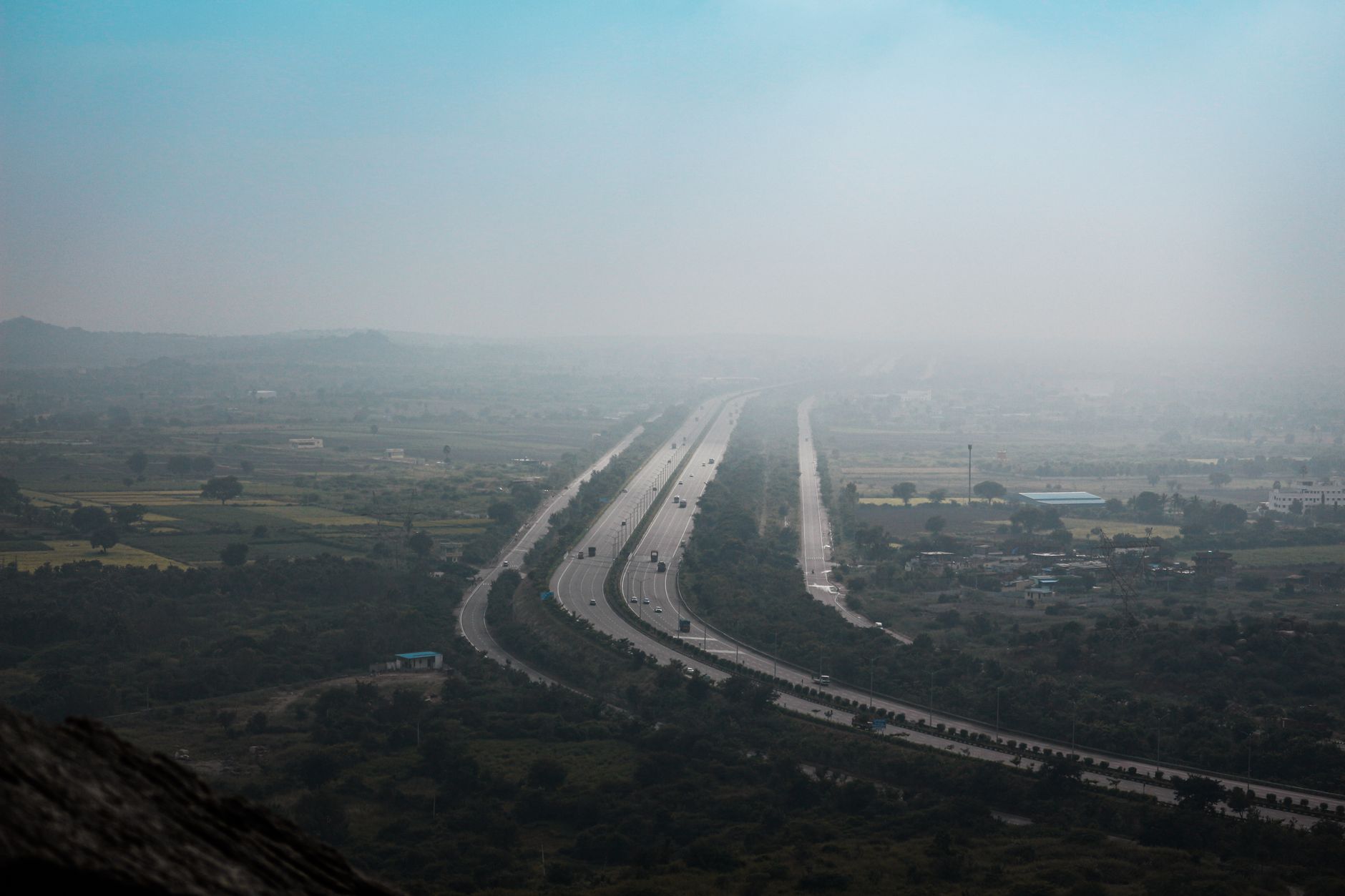
National Highway 63 and National Highway 563 serve as critical arterial routes connecting Northern Telangana with neighboring states and major urban centers. The expansion project encompasses widening existing stretches, constructing new bypasses, improving road quality, and developing modern amenities along these corridors. The investment will transform these highways into multi-lane expressways capable of handling significantly higher traffic volumes while ensuring safer, faster travel.
Northern Telangana comprises districts including Nizamabad, Kamareddy, Adilabad, Nirmal, Mancherial, and Jagitial, regions that have historically faced connectivity challenges despite their agricultural richness and cultural significance. The highway expansion directly addresses these infrastructure gaps, promising to integrate these areas more effectively with state capitals and commercial hubs.
Pilgrimage Tourism Gets a Major Boost
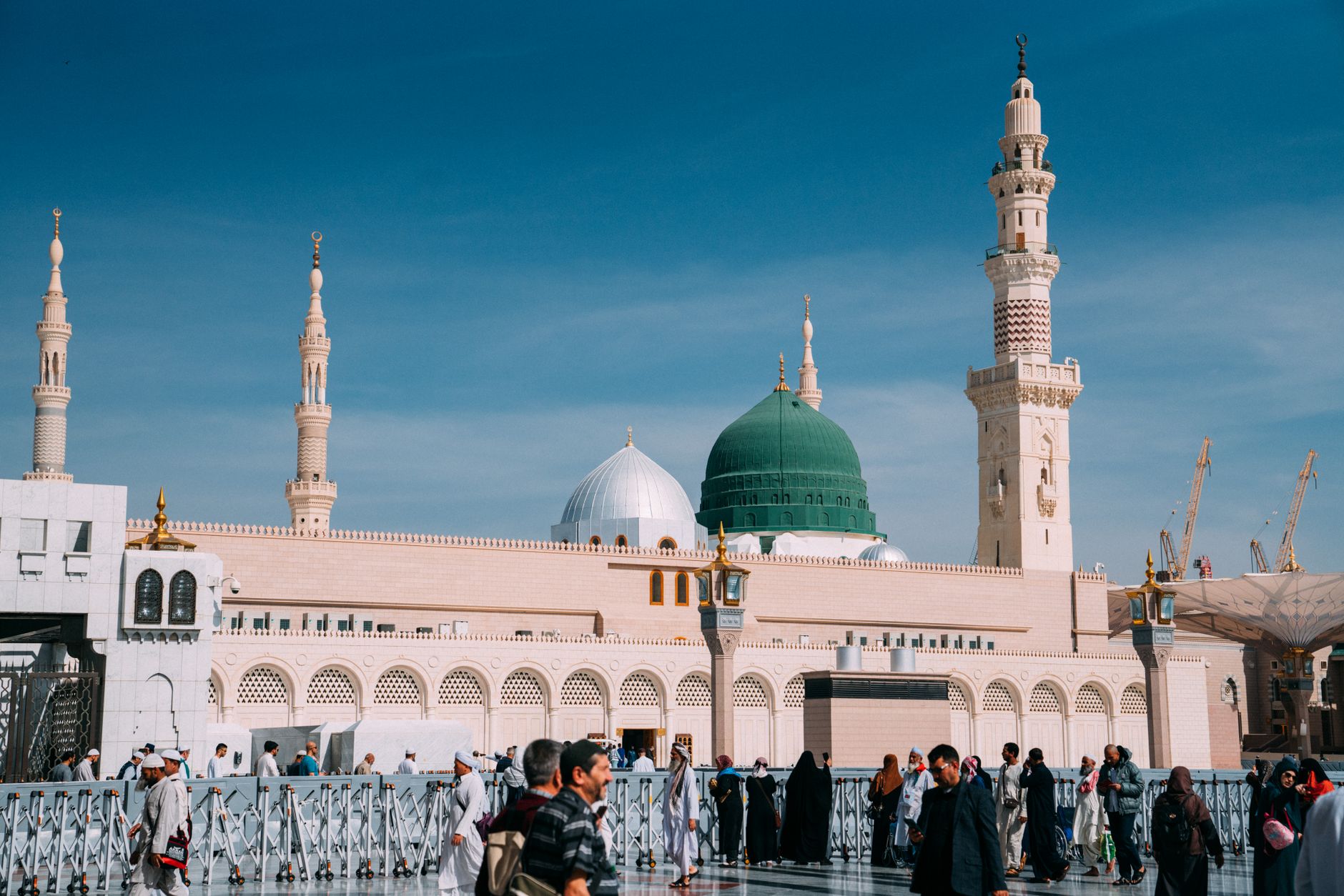
Northern Telangana hosts numerous significant religious sites that attract millions of pilgrims annually. The Basar Saraswati Temple, Dichpally Ramalayam, Kaleshwaram Temple, and various other shrines draw devotees from across India. However, inadequate road infrastructure has often made pilgrim journeys arduous and time-consuming.
The expanded highway network will dramatically reduce travel times to these sacred destinations. Better roads mean more comfortable journeys for elderly pilgrims, families, and tour groups. Improved connectivity will also encourage development of hospitality infrastructure along these routes, including hotels, restaurants, and rest facilities, creating a complete pilgrimage tourism ecosystem.
Tourism stakeholders anticipate that easier access will increase visitor footfall by 30-40 percent over the next five years, transforming religious tourism from a seasonal activity into a year-round economic driver for local communities.
Economic and Trade Corridor Development
Beyond tourism, these highways function as vital trade arteries. Northern Telangana produces substantial quantities of agricultural commodities, including turmeric, cotton, rice, and pulses. Farmers have long struggled with poor road conditions that increased transportation costs and spoilage rates, reducing their profit margins.
The upgraded highways will facilitate:
- Faster movement of agricultural produce to markets and processing units
- Reduced logistics costs for businesses operating in the region
- Enhanced connectivity to major commercial centers like Hyderabad and Nagpur
- Improved access for industries considering investment in Northern Telangana
- Better integration with national trade networks and supply chains
Manufacturing and agro-processing industries are expected to establish new facilities along these corridors, leveraging improved connectivity to access both raw materials and markets efficiently. This industrial development will create thousands of direct and indirect employment opportunities for local populations.
Regional Integration and Social Development
The highway expansion represents more than infrastructure development—it promises social transformation. Improved roads provide communities better access to healthcare facilities, educational institutions, and government services. Emergency medical responses become faster and more effective with quality road networks.
Villages located along these highways will experience accelerated development as improved connectivity attracts private investment in retail, services, and small industries. Real estate values typically appreciate along major highway corridors, benefiting landowners and creating wealth in previously isolated communities.
Students from rural areas gain better access to colleges and universities in urban centers, while healthcare professionals find it easier to serve underserved populations. The social multiplier effects of quality infrastructure extend far beyond simple transportation improvements.
Implementation Timeline and Expected Impact
Large-scale highway projects typically require 3-5 years for completion, depending on land acquisition challenges, environmental clearances, and construction complexities. The ₹7,597 crore investment indicates government commitment to comprehensive development rather than piecemeal improvements.
As sections of the highway become operational, travelers will immediately experience benefits: reduced journey times, improved safety, lower vehicle maintenance costs, and enhanced travel comfort. The cumulative impact over the project's full implementation will fundamentally alter Northern Telangana's economic geography, positioning the region as an attractive destination for investment, tourism, and sustainable development.
This infrastructure initiative aligns with broader national objectives of improving rural connectivity, boosting regional economies, and ensuring balanced development across all Indian states. Northern Telangana's transformation through highway expansion serves as a model for infrastructure-led growth in other emerging regions.