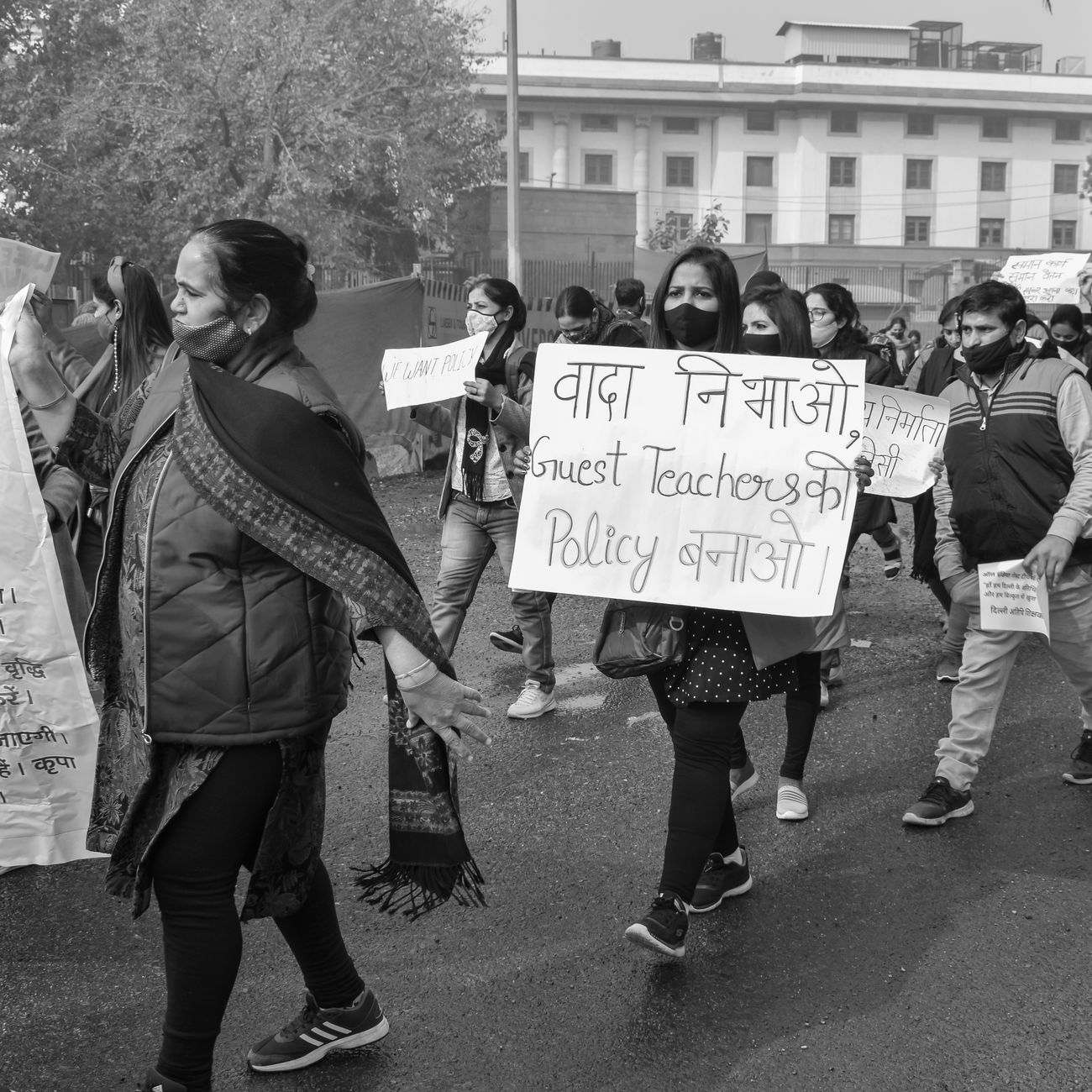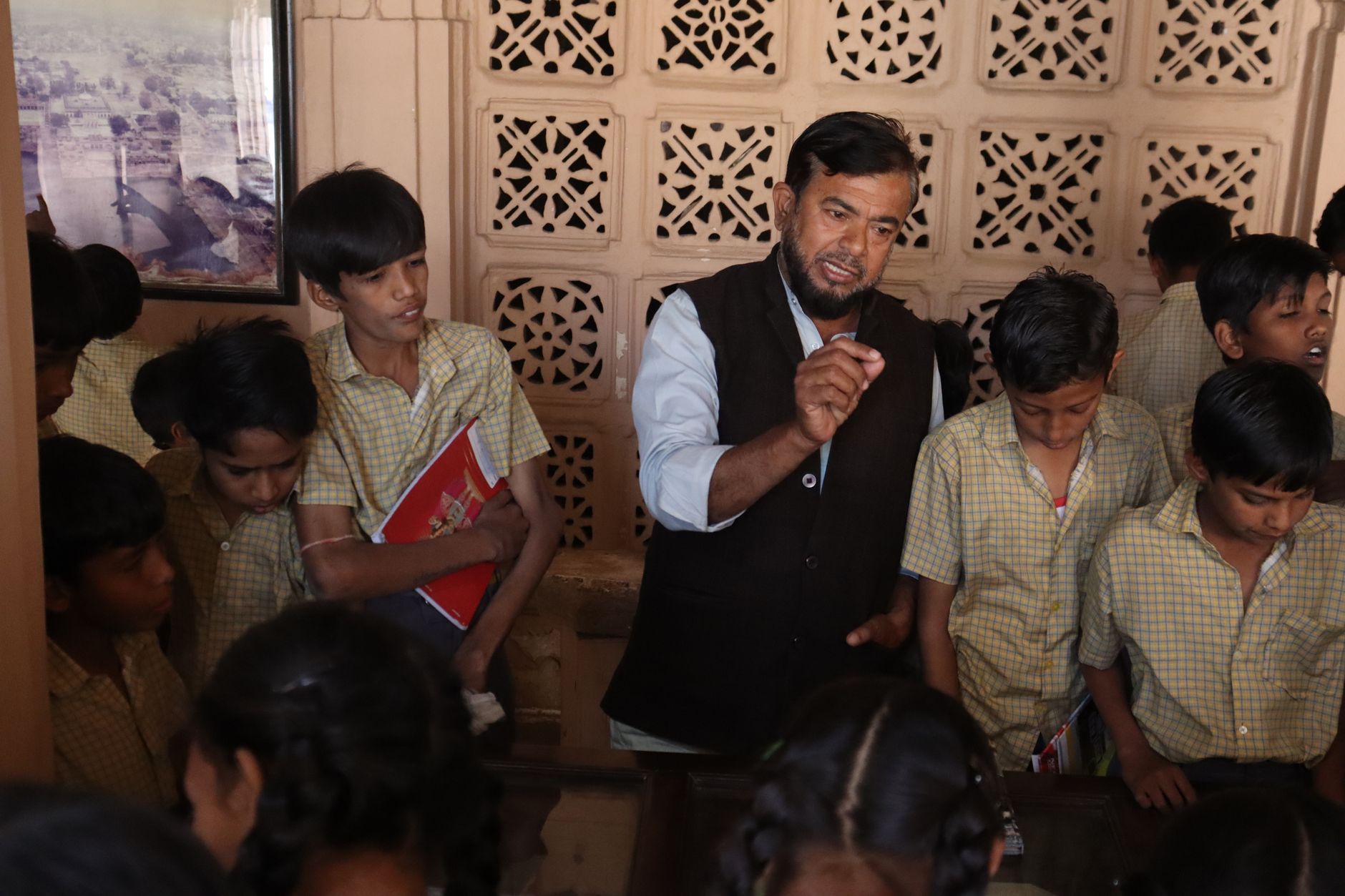
The recent wave of student protests across India has brought national attention to a problem that has plagued the country's education system for years: examination paper leaks. Following Prime Minister Narendra Modi's public promise to tackle this crisis, students, parents, and educators are now asking what tangible changes will follow and whether the government's commitment will translate into lasting reform.
The Scale of the Problem
Examination paper leaks have become an alarmingly regular occurrence in India, affecting everything from school board exams to competitive tests for medical colleges, engineering institutions, and civil services. These leaks undermine the merit-based system that millions of Indian students rely upon to secure their futures, creating an uneven playing field where those with access to leaked papers gain unfair advantages.
The most recent incidents that triggered widespread protests involved several state-level and national examinations, with students taking to the streets demanding accountability and systemic reforms. For many young Indians, these exams represent the sole pathway to quality higher education and professional opportunities, making the integrity of the examination process a matter of fundamental fairness.
What Modi Promised
In his response to the growing unrest, Prime Minister Modi acknowledged the severity of the issue and pledged government action to prevent future leaks. The promise included commitments to strengthen examination security protocols, expedite investigations into past leaks, and potentially introduce harsher penalties for those involved in examination fraud.
The government has signaled its intention to establish more robust digital infrastructure for exam administration, improve physical security at printing and storage facilities, and enhance coordination between central and state education authorities. Additionally, there have been discussions about creating a centralized examination monitoring body to oversee high-stakes tests.
Immediate Measures Expected
In the short term, students and education experts anticipate several concrete steps. These may include mandatory background checks for personnel handling examination materials, installation of surveillance systems at printing presses and storage centers, and implementation of secure digital distribution methods for question papers.
Some states have already begun experimenting with technology-driven solutions, such as:
- Blockchain-based systems to track examination papers from creation to distribution
- Biometric authentication for staff accessing sensitive materials
- Real-time monitoring of examination centers through CCTV networks
- Encrypted digital transmission of question papers to reduce physical handling
Long-Term Structural Reforms Needed
While immediate security measures are important, education policy analysts argue that deeper reforms are necessary to address the root causes of exam leaks. The current examination system's over-reliance on single high-stakes tests creates immense pressure on students and makes the potential rewards for cheating extremely high.
Possible long-term reforms being discussed include diversifying evaluation methods to reduce dependence on one-time exams, expanding higher education capacity to reduce cutthroat competition, and reforming the recruitment processes that currently hinge entirely on competitive test scores.
There is also growing recognition that the problem is not merely technical but also involves corruption and organized crime networks that profit from selling leaked papers. Addressing this requires strengthening law enforcement capabilities and ensuring swift prosecution of offenders.
Challenges Ahead
Despite Modi's assurances, skepticism remains among students and civil society groups who have heard similar promises before. Previous governments have also vowed to tackle exam leaks, yet the problem has persisted and even worsened in recent years.
Implementation challenges are significant. India's examination system is vast and decentralized, involving multiple agencies at central and state levels. Coordinating security measures across this complex landscape requires sustained political will, adequate funding, and bureaucratic efficiency—all of which have been lacking in past reform attempts.
Additionally, any meaningful reform must balance security with accessibility, ensuring that enhanced measures do not create additional barriers for students from disadvantaged backgrounds who already face numerous obstacles in accessing quality education.
What Students Should Watch For
In the coming months, students should monitor whether the government follows through with concrete policy announcements, legislative changes to strengthen penalties for exam fraud, and visible improvements in examination security. The true test will be whether upcoming major examinations proceed without leaks and whether past cases are thoroughly investigated with consequences for those responsible.
Student organizations and civil society groups are likely to maintain pressure on the government to deliver on its promises, recognizing that sustained public attention is crucial to ensuring accountability. The coming academic year will be critical in determining whether Modi's promise marks a turning point in addressing India's examination crisis or remains another unfulfilled commitment.