India's healthcare system faces a unique challenge: a vast population spread across diverse geographies with significant disparities in access to medical expertise. While metropolitan hospitals boast world-class facilities, rural and semi-urban areas struggle with doctor shortages and limited specialized care. Artificial intelligence is emerging as a powerful equalizer, enabling frontline healthcare workers to deliver protocol-driven care with unprecedented consistency and accuracy.
The Frontline Healthcare Gap
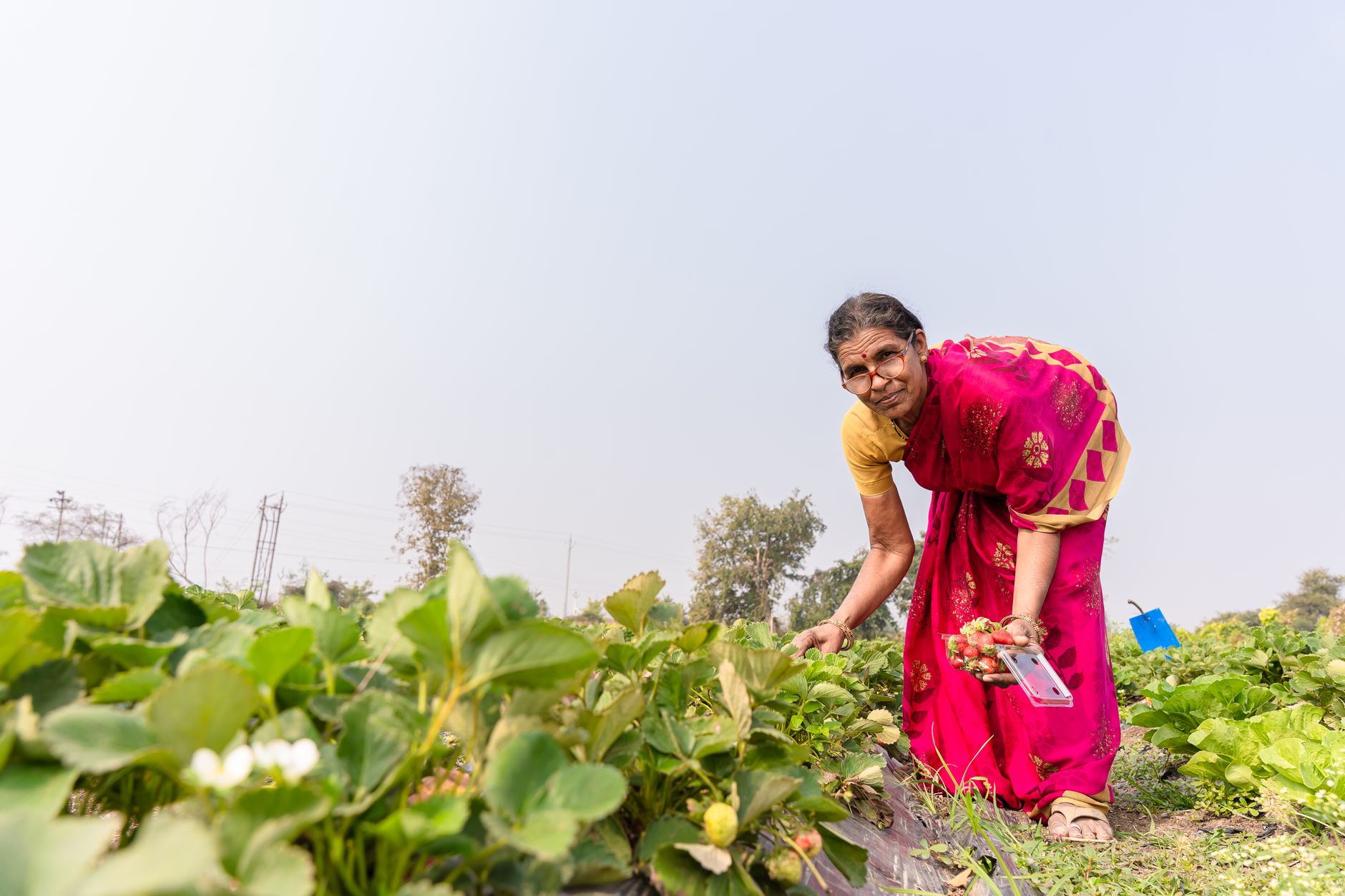
India has approximately one doctor for every 1,400 people, well below the World Health Organization's recommended ratio. The situation is more acute in rural areas, where nearly 70 percent of the population resides but only 30 percent of doctors practice. Auxiliary Nurse Midwives, Accredited Social Health Activists, and community health workers often serve as the primary point of contact for healthcare, yet they traditionally lack access to comprehensive medical protocols and decision-support systems.
This gap has resulted in delayed diagnoses, inconsistent treatment protocols, and preventable complications. Conditions like diabetes, hypertension, and tuberculosis require regular monitoring and adherence to specific treatment guidelines—something that becomes challenging when patients must travel hundreds of kilometers to see a specialist.
AI-Powered Clinical Decision Support
Modern AI applications are transforming smartphones and tablets into powerful clinical decision-support tools. These systems can guide healthcare workers through standardized protocols for common conditions, suggest appropriate investigations, and flag warning signs that require referral to higher facilities. The technology essentially puts decades of medical knowledge and clinical guidelines into every pocket.
Machine learning algorithms trained on vast datasets can help identify patterns in symptoms, predict disease progression, and recommend evidence-based interventions. For instance, AI-powered ophthalmology screening tools can detect diabetic retinopathy through smartphone-based fundus photography, enabling early intervention before vision loss occurs. Similarly, AI-driven ECG analysis can identify cardiac abnormalities that might be missed by non-specialist healthcare workers.
Real-World Applications
Several initiatives across India demonstrate the practical impact of AI at the healthcare frontline. Diagnostic algorithms help identify tuberculosis from chest X-rays with accuracy comparable to radiologists, crucial for a country that accounts for about 27 percent of global TB cases. AI chatbots provide triage support, helping patients understand when they need immediate medical attention versus home care.
Maternal and child health programs utilize AI to track pregnancy complications, vaccination schedules, and developmental milestones. These systems send automated reminders and alerts to both healthcare workers and families, ensuring continuity of care even in resource-constrained settings.
Predictive analytics help identify communities at high risk for disease outbreaks, enabling preventive interventions before situations become critical. During the COVID-19 pandemic, AI tools supported surveillance, contact tracing, and resource allocation across multiple states.
Challenges and Considerations
Despite promising applications, several obstacles remain. Digital literacy among frontline workers varies considerably, requiring intuitive interfaces and comprehensive training programs. Connectivity issues in remote areas can limit real-time access to cloud-based AI systems, necessitating offline-capable solutions.
Data privacy and security concerns require robust frameworks, especially when dealing with sensitive health information. The quality of AI recommendations depends entirely on the data used for training—algorithms developed primarily on Western populations may not account for genetic, environmental, and dietary factors specific to Indian contexts.
Integration with existing health information systems remains incomplete in many regions. Interoperability standards need strengthening to ensure AI tools can communicate with electronic health records and government health programs seamlessly.
The Path Forward
The vision of "protocol in every pocket" represents more than technological advancement—it's about democratizing medical expertise. When a community health worker in rural Rajasthan has access to the same clinical protocols as a doctor in a Mumbai hospital, healthcare equity takes a significant leap forward.
Success requires continued investment in digital infrastructure, training programs, and context-appropriate AI development. Public-private partnerships can accelerate deployment while ensuring affordability and accessibility. Regulatory frameworks must evolve to address AI-specific challenges while encouraging innovation.
The combination of human compassion and AI-powered precision offers a powerful model for delivering quality healthcare at scale. As these technologies mature and proliferate, India's frontline healthcare workers are becoming better equipped to serve their communities with confidence and competence.
This article provides general information about AI applications in healthcare and should not be considered medical advice. Healthcare decisions should always be made in consultation with qualified medical professionals based on individual circumstances.