Air India and India's Ministry of Tourism have announced a strategic partnership aimed at promoting India as a premier global travel destination. This collaboration comes at a crucial time when international tourism is rebounding strongly and countries worldwide are competing to capture a larger share of global tourist arrivals and spending.
The partnership represents a coordinated effort between the aviation and tourism sectors to leverage India's diverse attractions, cultural heritage, and improved infrastructure to attract more international visitors. By aligning the national carrier's reach with the tourism ministry's promotional capabilities, the initiative seeks to create a comprehensive strategy that addresses both connectivity and destination marketing.
Understanding the Strategic Importance
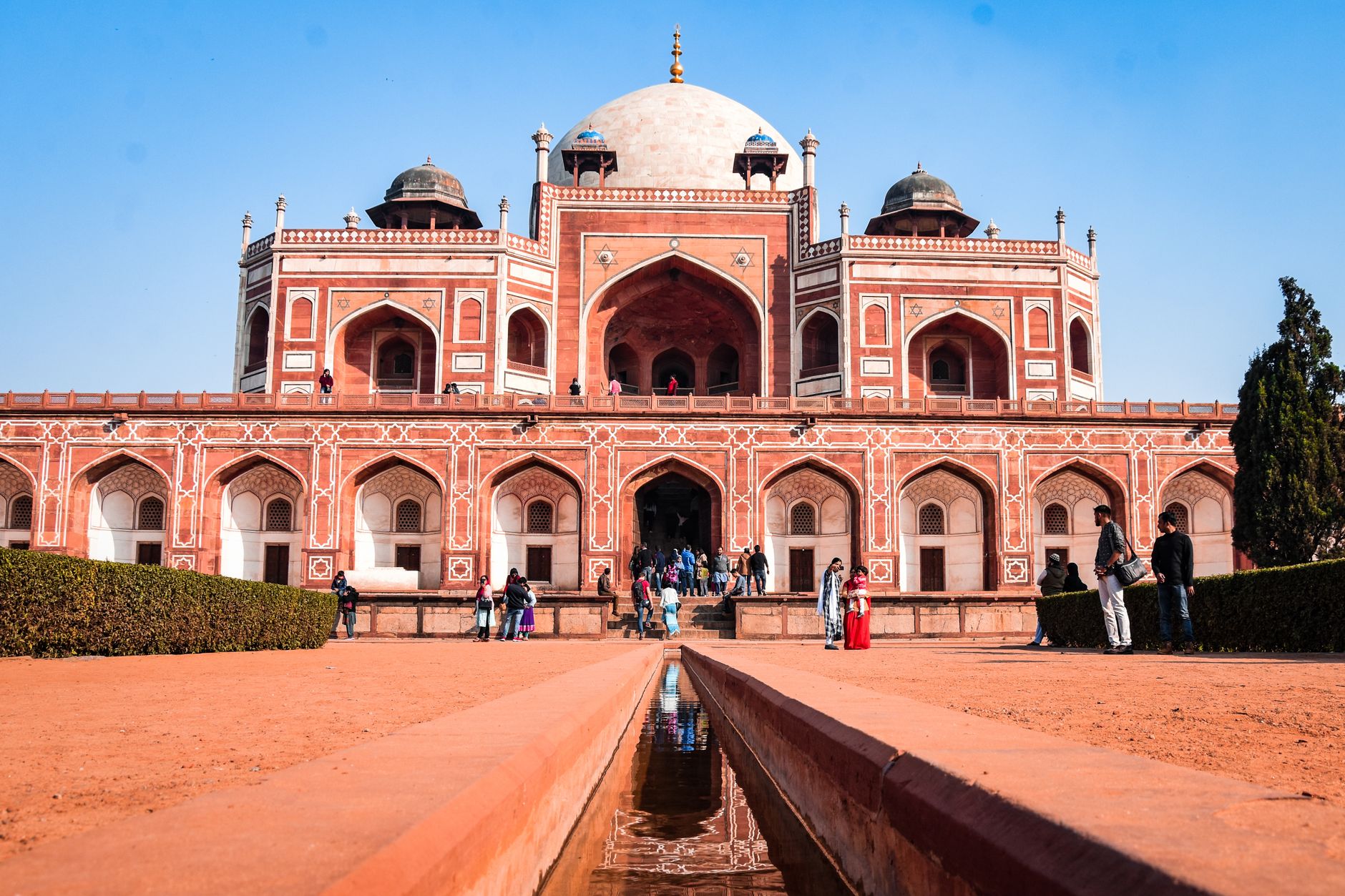
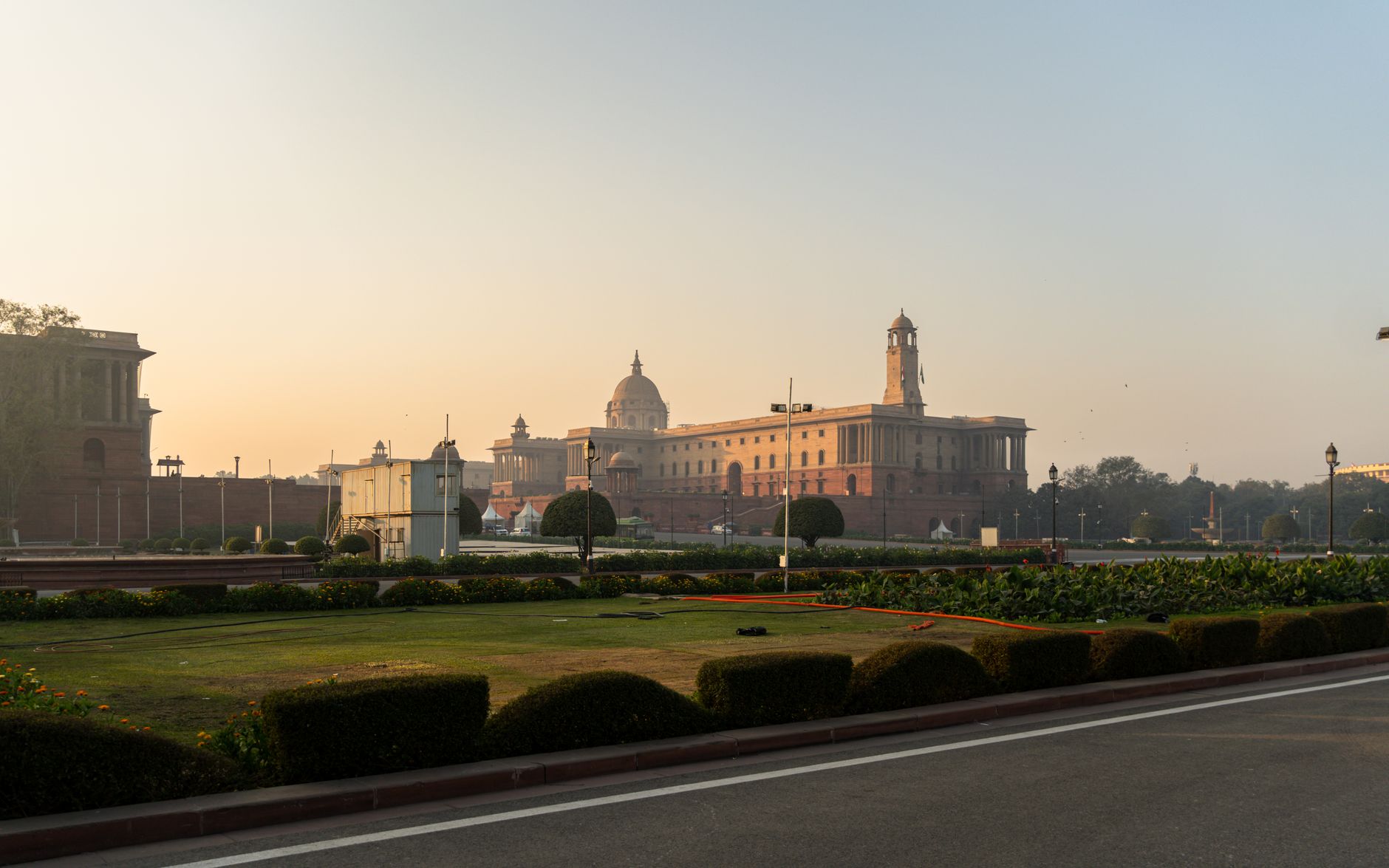
India has long held immense potential as a tourist destination, offering everything from ancient monuments and spiritual centers to pristine beaches, mountain landscapes, and vibrant cities. However, the country has historically underperformed relative to its potential when compared to competitors like Thailand, Malaysia, or the United Arab Emirates in terms of international tourist arrivals.
This partnership acknowledges that successful destination marketing requires more than just promotional campaigns. It demands seamless connectivity, coordinated messaging, and integrated efforts across government bodies and private sector players. Air India, having undergone significant transformation following its return to the Tata Group, is positioned to play a pivotal role in expanding international connectivity to Indian cities beyond the traditional Delhi-Mumbai corridor.
Expected Components of the Partnership
While specific details of the collaboration may evolve, such partnerships typically encompass several key areas. Joint marketing campaigns in priority international markets help create awareness and shift perceptions about India as a modern, accessible destination. These campaigns often target high-value source markets in North America, Europe, the Middle East, and Southeast Asia.
Enhanced connectivity features prominently in such arrangements. Air India's expanding fleet and route network can open up new international routes or increase frequencies to underserved destinations, making it easier for foreign tourists to reach not just major metros but also emerging destinations like Goa, Jaipur, Varanasi, and Kerala.
The partnership likely includes promotional pricing and special packages that combine airfare with tourism experiences, making India more price-competitive. Co-branded initiatives at international travel fairs, tourism exhibitions, and roadshows help project a unified, professional image of India as a destination.
Targeting Key Tourist Segments
Modern tourism marketing requires segmentation and targeted approaches. India appeals to multiple tourist segments, each requiring different messaging and facilities. Leisure tourists seek the country's beaches, backwaters, wildlife sanctuaries, and hill stations. Cultural and heritage tourists are drawn to UNESCO World Heritage sites, ancient temples, forts, and palaces scattered across the nation.
Spiritual and wellness tourism represents a unique strength, with yoga retreats, Ayurveda centers, and pilgrimage circuits attracting millions annually. Medical tourism has grown substantially, with India becoming a preferred destination for affordable, quality healthcare. Business tourism and MICE (Meetings, Incentives, Conferences, and Exhibitions) represent another significant opportunity, particularly in cities with improving convention infrastructure.
Challenges and Opportunities
Despite the initiative's promise, several challenges require attention. Infrastructure gaps, particularly at second-tier destinations, need addressing to ensure tourists have positive experiences. Visa processes, while improved through e-visa facilities, still require further streamlining for major source markets. Service quality standards across the tourism value chain need consistent improvement and enforcement.
However, the opportunities are substantial. India's tourism sector contributes significantly to GDP and employment, and increased international arrivals create ripple effects across hospitality, transportation, retail, and ancillary services. With the right positioning, India can capture a larger share of the global tourism market, which continues to grow as travel aspirations increase in emerging economies.
Global Tourism Landscape
This partnership positions India to compete more effectively in a dynamic global environment where destinations invest heavily in marketing and connectivity. Countries like Japan, South Korea, and Middle Eastern nations have successfully transformed their tourism profiles through coordinated efforts between national carriers and tourism authorities.
The timing aligns with broader trends, including growing interest in experiential travel, wellness tourism, and authentic cultural experiences—areas where India possesses natural advantages. As Air India modernizes its fleet and service standards while expanding its network, it can serve as an effective ambassador for the destination, with the quality of the flying experience influencing overall perceptions.
The success of this partnership will ultimately be measured by tangible outcomes: increased international tourist arrivals, higher tourism receipts, improved destination perception scores, and more balanced tourist distribution across India's diverse regions rather than concentration in a few hotspots.