Assam has reached an unprecedented tourism milestone, welcoming six crore (60 million) visitors and firmly establishing Northeast India as a thriving destination on the national and international travel map. This remarkable achievement represents not just numbers, but a fundamental shift in how travelers perceive and explore one of India's most culturally rich and naturally diverse regions.
The surge in tourist arrivals marks a new chapter for Assam and the broader Northeast, a region that has long remained underexplored despite possessing extraordinary natural beauty, unique tribal cultures, and adventure opportunities that rival any destination in Asia.
Why Assam Is Capturing Travelers' Imagination
Assam's appeal lies in its remarkable diversity. The state is home to Kaziranga National Park, a UNESCO World Heritage Site and the last stronghold of the one-horned rhinoceros. Wildlife enthusiasts flock here for the chance to spot these magnificent creatures alongside elephants, tigers, and over 500 bird species in their natural habitat.
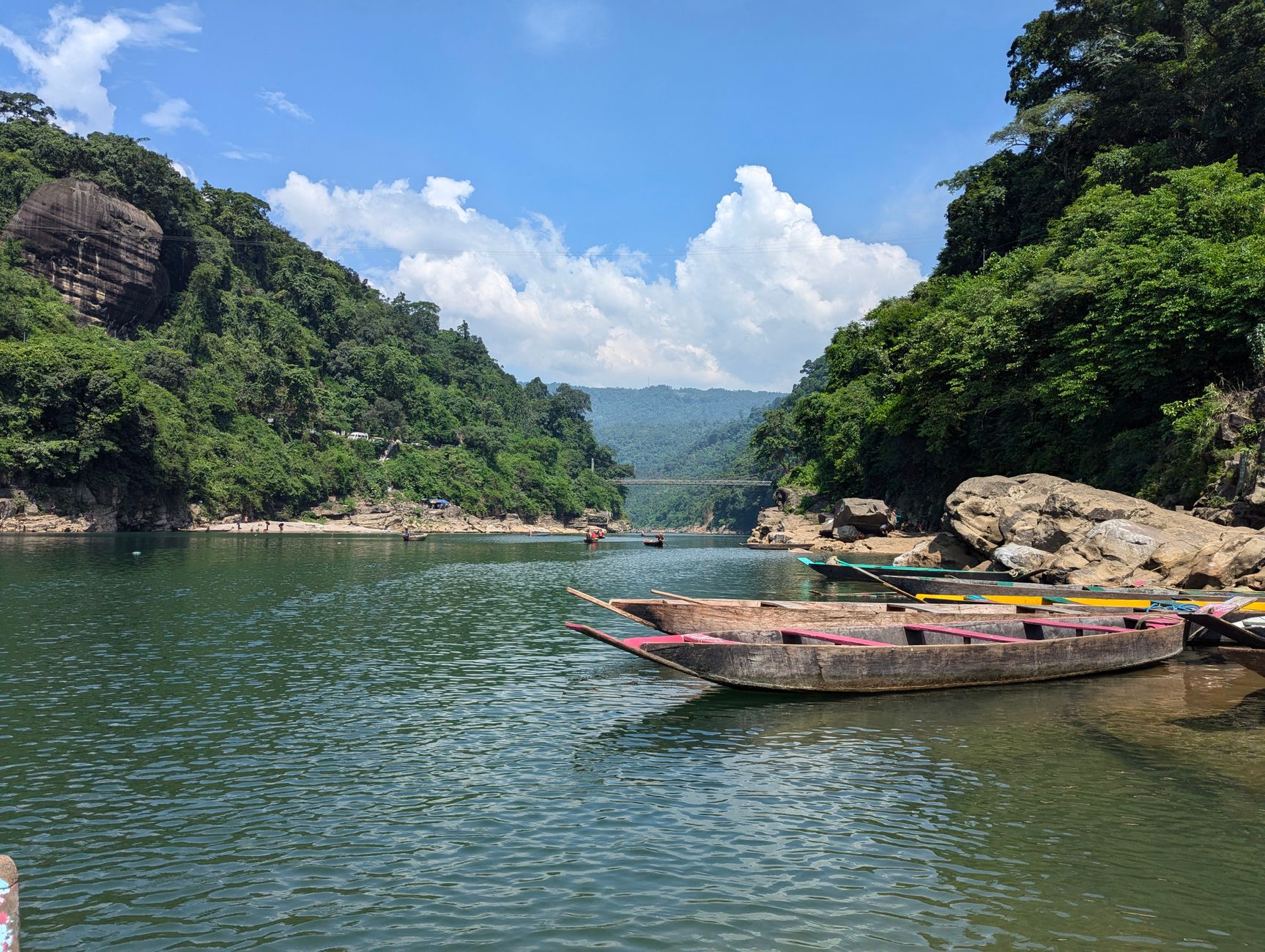
Beyond wildlife, Assam offers the Brahmaputra River, one of the world's great waterways, where river cruises provide travelers with a unique perspective on rural life, ancient monasteries, and stunning landscapes. The mighty river serves as both a lifeline and a tourism asset, offering everything from luxury cruise experiences to thrilling water sports.
The state's tea gardens present another major draw. Assam produces more than half of India's tea, and visitors can tour sprawling estates, learn about tea processing, and stay in colonial-era bungalows converted into heritage accommodations. These experiences combine education, history, and the simple pleasure of sipping fresh tea while overlooking endless green hillsides.
Infrastructure Development Fueling Growth
The tourism boom hasn't happened by accident. Strategic infrastructure development has made Northeast India more accessible than ever before. Improved road connectivity, expanded air services to cities like Guwahati, and enhanced railway links have removed longstanding barriers that once deterred potential visitors.
The government has invested significantly in tourism infrastructure, including:
- Development of tourist circuits connecting major attractions
- Upgradation of airports and introduction of new flight routes
- Improvement of accommodation facilities ranging from budget to luxury
- Creation of tourist information centers and digital platforms
- Training programs for local guides and hospitality workers
- Enhanced safety and security measures for travelers
These improvements have made it feasible for both domestic and international tourists to explore the region comfortably, encouraging longer stays and repeat visits.
Adventure Travel Takes Center Stage
Assam and neighboring northeastern states are rapidly becoming adventure travel hubs. The region offers trekking through pristine forests, white-water rafting on powerful rivers, paragliding over scenic valleys, and wildlife safaris that provide genuine wilderness experiences increasingly rare in other parts of India.
The Dibru-Saikhowa National Park, Manas National Park, and numerous wildlife sanctuaries offer eco-tourism opportunities that appeal to environmentally conscious travelers. These protected areas combine conservation with tourism, ensuring that increased visitor numbers support rather than threaten local ecosystems.
Cultural Tourism and Unique Experiences
The Northeast's cultural diversity represents a significant tourism asset. Assam alone is home to numerous tribes and communities, each with distinct traditions, festivals, languages, and crafts. Travelers can experience the Bihu festival, explore ancient Vaishnavite monasteries called satras, witness traditional mask-making, and engage with communities practicing centuries-old customs.
The region's cuisine, distinct from mainstream Indian food, has also captured attention. From simple rice-based meals to exotic preparations using local ingredients like bamboo shoots, silkworms, and indigenous herbs, the culinary experiences alone justify a visit.
Economic Impact and Future Prospects
The arrival of six crore tourists has generated substantial economic benefits. Tourism creates employment across multiple sectors including hospitality, transportation, handicrafts, and food services. Many rural communities have found new income sources through homestays, guiding services, and selling local products to visitors.
Looking forward, Assam aims to build on this success by developing sustainable tourism practices that preserve the region's natural and cultural heritage while accommodating growing visitor numbers. Plans include creating specialized tourism zones, promoting offbeat destinations to distribute tourist traffic, and marketing the region internationally to attract high-value travelers.
The tourism triumph represents more than statistics; it signifies Northeast India emerging from the shadows to claim its rightful place as one of India's premier travel destinations, offering experiences that combine nature, adventure, culture, and authenticity in ways few other regions can match.