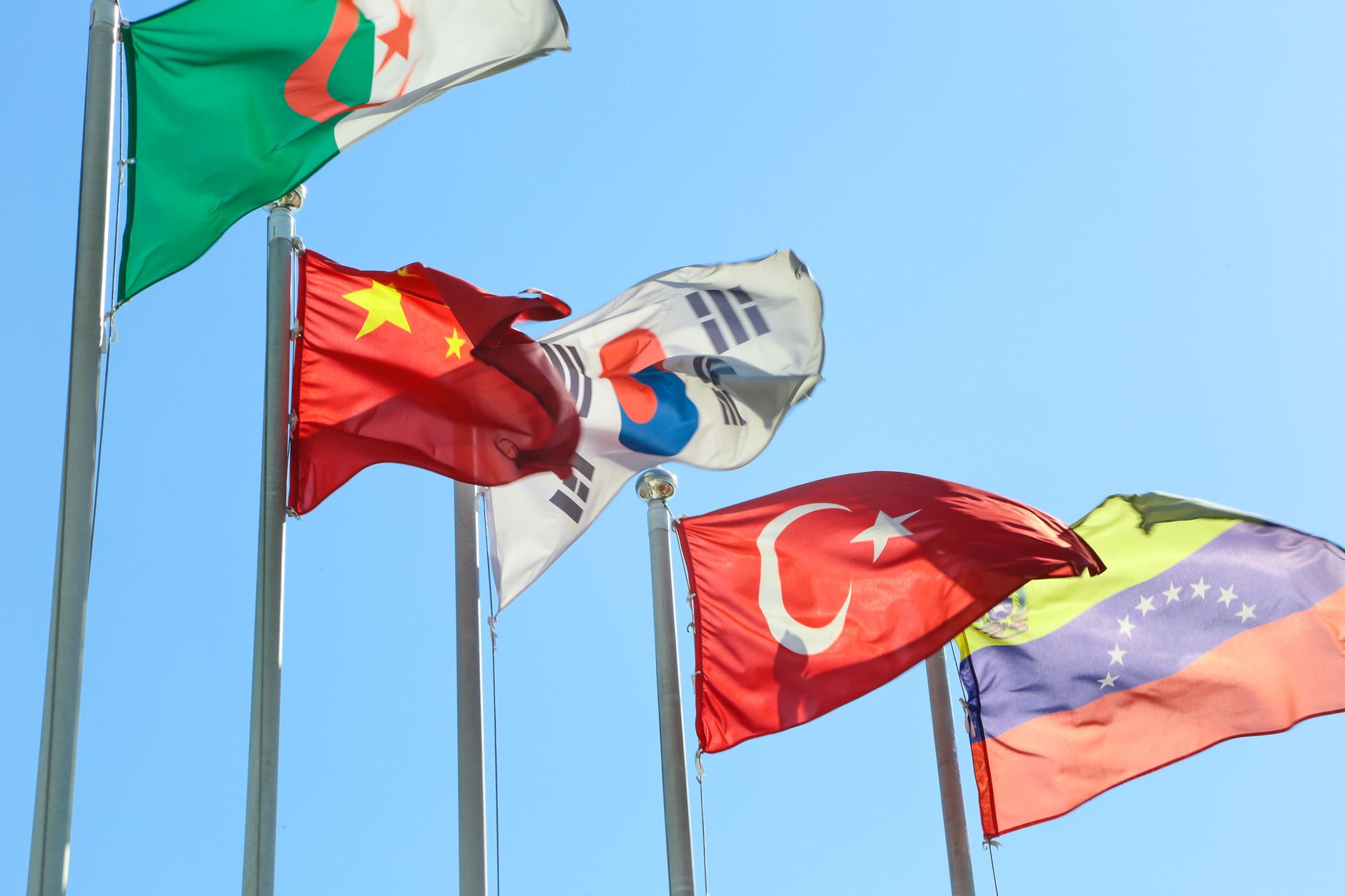
The BRICS nations—Brazil, Russia, India, China, and South Africa—are embarking on a collaborative initiative to strengthen Traditional, Complementary and Integrative Medicine (TCIM) through the formation of an expert working group. This development represents a major milestone in the global recognition and standardization of traditional healing practices that have served billions of people for centuries.
Understanding TCIM and Its Global Significance
Traditional, Complementary and Integrative Medicine encompasses a broad range of healthcare practices, approaches, and therapies that originate from indigenous knowledge systems. These include Ayurveda, Traditional Chinese Medicine, Unani, Siddha, homeopathy, naturopathy, and various other indigenous healing traditions. Unlike conventional modern medicine, TCIM approaches often emphasize holistic treatment, prevention, and the integration of mind, body, and spiritual wellness.
According to the World Health Organization, approximately 80 percent of the population in some developing countries relies on traditional medicine for primary healthcare needs. This makes TCIM not just a cultural heritage issue but a practical public health necessity for much of the world's population.
Why BRICS Nations Are Collaborating
The BRICS countries collectively represent over 40 percent of the world's population and possess some of the richest traditions in indigenous medicine. India's Ayurveda, China's traditional medicine system, Brazil's indigenous healing practices, Russia's folk medicine traditions, and South Africa's traditional African medicine each offer unique perspectives and methodologies.
By joining hands, these nations aim to:
- Pool research resources and scientific evidence on traditional medicine efficacy
- Develop common standards for practice and education
- Facilitate knowledge exchange among traditional medicine practitioners
- Promote integration of TCIM with modern healthcare systems
- Create regulatory frameworks that ensure safety and quality
- Expand global access to proven traditional treatments
The Expert Working Group's Mandate
The formation of an expert working group signals a structured, scientific approach to advancing TCIM. Such groups typically comprise researchers, practitioners, policymakers, and healthcare administrators who work to create frameworks for collaboration. The working group is expected to focus on research validation, establishing best practices, and creating pathways for traditional medicine to complement modern healthcare delivery.
This initiative also addresses a critical gap: while traditional medicine has been practiced for millennia, it often lacks the rigorous clinical research and standardization that modern medicine undergoes. The expert group can help bridge this divide by promoting evidence-based studies while respecting the cultural and philosophical foundations of these practices.
India's Leadership Role
India has been at the forefront of promoting traditional medicine globally. The country established the Ministry of AYUSH (Ayurveda, Yoga and Naturopathy, Unani, Siddha, and Homoeopathy) to preserve and promote these systems. India has also been instrumental in getting the United Nations to recognize International Day of Yoga and has pushed for greater WHO recognition of traditional medicine.
With one of the most comprehensive traditional medicine education systems in the world, including hundreds of AYUSH colleges and research institutions, India brings substantial expertise to this BRICS collaboration. The country's experience in integrating traditional and modern medicine, particularly during the COVID-19 pandemic, offers valuable lessons for other nations.
Challenges and Opportunities Ahead
The strengthening of TCIM through BRICS cooperation faces several challenges. Standardization across different traditional systems, ensuring quality control, preventing misuse, and conducting rigorous scientific validation all require sustained effort and investment. There are also concerns about intellectual property rights, biopiracy, and ensuring that indigenous communities benefit from the commercialization of their traditional knowledge.
However, the opportunities are equally significant. Integrated healthcare approaches can reduce treatment costs, increase accessibility, particularly in rural areas, and offer alternatives for chronic conditions where modern medicine has limitations. The collaboration could also boost medical tourism, create employment in traditional medicine sectors, and foster pharmaceutical innovation based on traditional formulations.
Impact on Global Healthcare
This BRICS initiative could influence how the broader international community views traditional medicine. Success in creating evidence-based frameworks and demonstrating clinical efficacy could encourage other nations to integrate TCIM into their national health systems. It may also prompt increased research funding and create new career opportunities for practitioners trained in both traditional and modern medicine.
The collaboration represents a shift toward pluralistic healthcare systems that recognize multiple healing traditions rather than privileging only Western biomedical approaches. For millions who already rely on traditional medicine, this could mean better regulation, improved safety standards, and greater integration with modern healthcare facilities.
This article is for general informational purposes only and should not be considered medical advice. Readers should consult qualified healthcare professionals for diagnosis and treatment of any health conditions. Traditional medicine practices should be pursued under proper guidance from certified practitioners.