CBM India, a prominent international development organization focused on disability-inclusive development, recently took center stage at the VISION 2020 Conference to advocate for eye health services that cater specifically to persons with disabilities. This advocacy comes at a crucial time when India continues to address significant gaps in accessible healthcare for its disabled population, estimated at over 26 million people according to the 2011 census.
The Intersection of Disability and Eye Health
The relationship between disability and eye health is complex and often overlooked in mainstream healthcare planning. Persons with disabilities face multiple barriers when seeking eye care services, including physical inaccessibility of facilities, lack of trained healthcare providers who understand disability needs, communication barriers, and discriminatory attitudes. These challenges often result in delayed diagnosis, untreated conditions, and preventable blindness.
Research indicates that persons with disabilities are at higher risk for vision problems due to various factors including underlying health conditions, limited access to preventive care, and socioeconomic disadvantages. Yet paradoxically, they are the least likely to receive timely and appropriate eye care interventions.
VISION 2020: The Right to Sight Initiative
The VISION 2020 initiative, launched by the World Health Organization and the International Agency for the Prevention of Blindness, aims to eliminate avoidable blindness by creating sustainable eye care systems worldwide. India, with one of the world's largest populations of visually impaired individuals, has been a key participant in this global effort.
The conference serves as a platform for stakeholders including government officials, healthcare providers, NGOs, and policy makers to discuss strategies, share best practices, and identify gaps in eye care delivery. CBM India's participation underscores the growing recognition that universal eye health cannot be achieved without specifically addressing the needs of marginalized groups, including persons with disabilities.
Key Advocacy Points
CBM India's advocacy at the conference centered on several critical areas:
- Ensuring physical accessibility of eye care facilities, including ramps, accessible examination equipment, and barrier-free environments
- Training eye care professionals in disability awareness and inclusive communication techniques
- Developing protocols for examining patients with various disabilities, including those with intellectual disabilities or multiple impairments
- Creating affordable and accessible assistive devices and technologies for persons with visual impairments
- Integrating disability-inclusive indicators in national eye health programs and data collection systems
- Strengthening community-based rehabilitation programs that include eye health components
Current Challenges in India
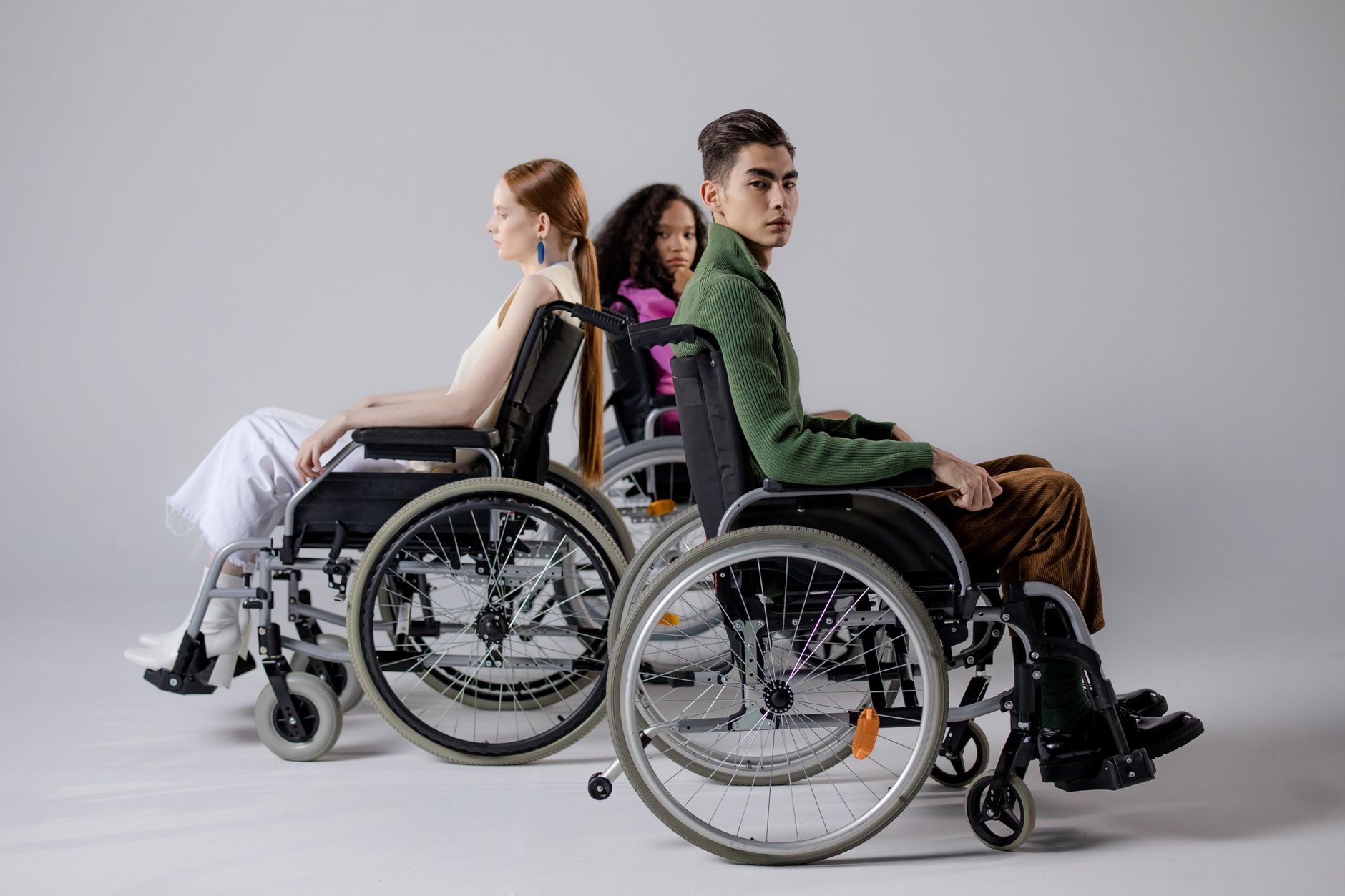
India's eye care infrastructure has made remarkable progress, with numerous eye hospitals and screening camps reaching rural areas. However, persons with disabilities often fall through the cracks of these services. Mobile eye care units may not be equipped to accommodate wheelchair users. Screening camps may lack sign language interpreters for deaf individuals. Examination procedures may not be adapted for patients with intellectual disabilities who cannot follow standard instructions.
Additionally, the cost of assistive devices and ongoing care remains prohibitive for many families already facing economic strain due to disability-related expenses. The lack of coordinated care between disability services and eye health programs further compounds these challenges.
The Path Forward
CBM India's advocacy emphasizes that disability-inclusive eye health is not merely about charity but about rights and equity. The organization calls for systemic changes including policy reforms, budget allocations specifically for inclusive services, and the meaningful participation of persons with disabilities in planning and implementing eye health programs.
The conference provided an opportunity to showcase successful models of inclusive eye care from various regions, demonstrating that with appropriate planning and resources, quality eye care can be delivered to all segments of society. Community-based inclusive development approaches, where local disabled persons organizations partner with eye care providers, have shown promising results in improving access and uptake of services.
Building an Inclusive Healthcare Ecosystem
The ultimate goal is to mainstream disability inclusion across all aspects of eye health care, from prevention and early detection to treatment and rehabilitation. This requires collaboration between the disability sector and eye care sector, adequate funding, capacity building of healthcare workers, and robust monitoring mechanisms to ensure no one is left behind.
This article is for general informational purposes only and does not constitute medical advice. Individuals should consult qualified healthcare professionals for specific guidance regarding eye health and disability-related medical concerns.