The Central Board of Secondary Education (CBSE) has found itself at the center of a heated controversy after referring to English as a "foreign language" in its recent curriculum documentation. This classification has raised questions about language policy, India's multilingual identity, and the practical realities of education in a country where English serves as a crucial link language across diverse linguistic communities.
The Core of the Controversy
The debate erupted when educators, parents, and language policy experts noticed that CBSE materials categorized English alongside languages like French, German, and Spanish under the "foreign language" category. Critics argue that this classification ignores the historical reality that English has been spoken, taught, and used in India for over two centuries, making it an integral part of the country's linguistic landscape rather than a truly foreign tongue.
English enjoys a unique constitutional status in India. While Hindi and English serve as official languages of the Union government, English is also recognized as an associate official language with no sunset clause. The Constitution grants it a special position in parliamentary proceedings, Supreme Court operations, and inter-state communication, particularly between Hindi-speaking and non-Hindi-speaking regions.
Historical Context and Modern Reality
English arrived in India during British colonial rule but has since evolved into a distinctly Indian variety with its own idioms, pronunciations, and cultural adaptations. Indian English is now recognized globally as a legitimate variety of the language, much like American or Australian English. For millions of Indians, particularly in urban areas and professional settings, English functions as a first or primary language of education and commerce.
The language serves as a critical tool for social mobility, higher education, and access to global opportunities. India's information technology sector, pharmaceutical industry, and service economy heavily rely on English proficiency. Many Indian authors, scientists, and professionals have contributed significantly to English-language literature and discourse worldwide.
Arguments on Both Sides
Supporters of the "foreign language" classification argue that acknowledging English's non-indigenous origin is simply stating a historical fact. They contend that this recognition could encourage greater emphasis on Indian languages, which often struggle for adequate attention in urban schools where English-medium education dominates.
Some linguistic nationalists view the debate as an opportunity to reassert the importance of regional languages and Hindi. They argue that excessive emphasis on English has led to the neglect of indigenous languages, many of which are experiencing declining speaker populations among younger generations.
Constitutional and Practical Implications
Critics of the classification point to practical complications. If English is officially categorized as foreign, it could affect curriculum planning, teacher qualifications, and resource allocation. Schools might need to restructure language programs, and the status of English teachers could be impacted if their subject is grouped with optional foreign languages rather than core curriculum components.
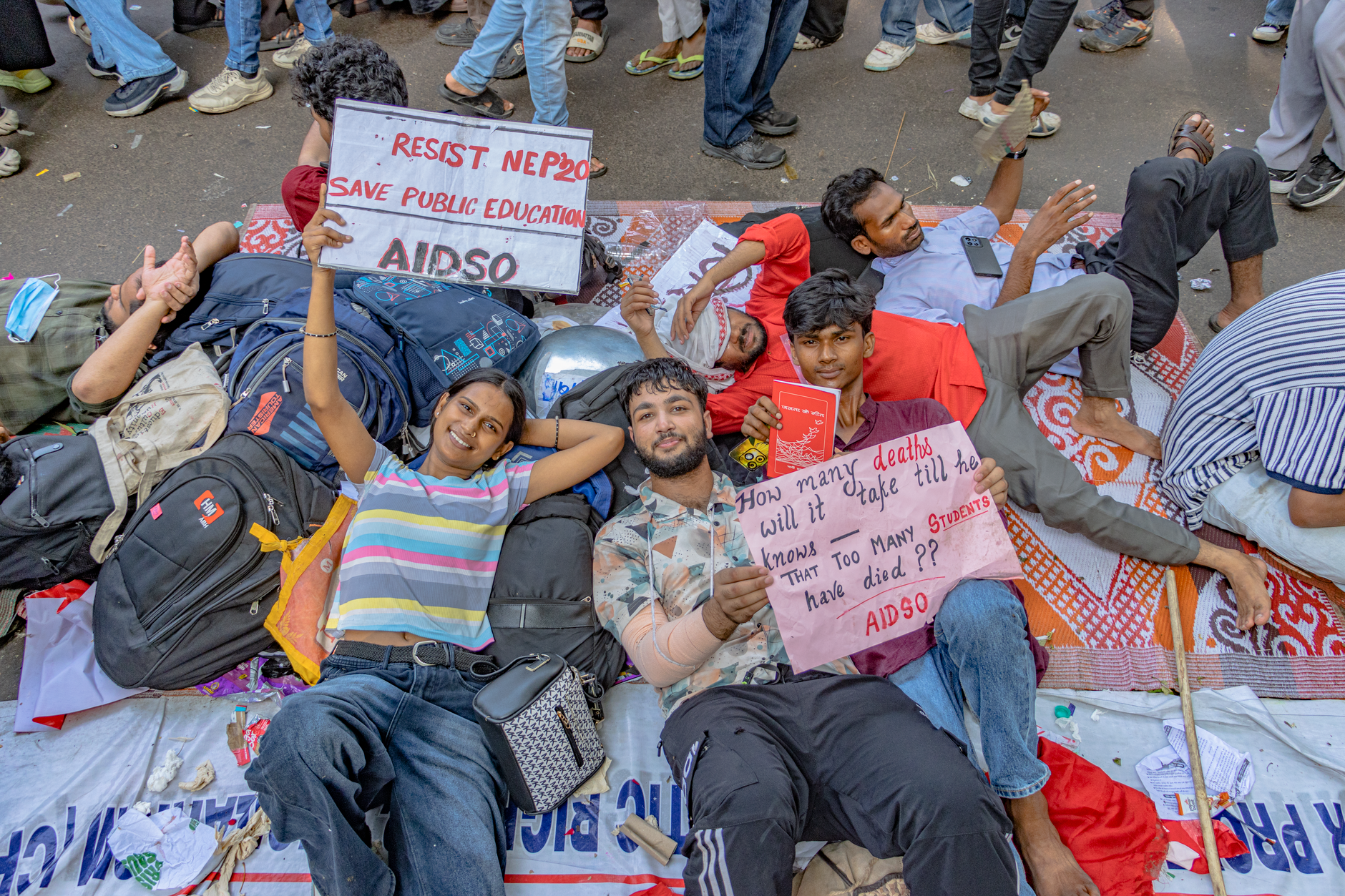
The classification also seems at odds with the National Education Policy 2020, which, while emphasizing mother-tongue instruction, acknowledges English's importance in India's educational framework. The policy advocates multilingualism without diminishing English's role in higher education and professional training.
Regional Sensitivities
The debate has particular resonance in non-Hindi-speaking states, especially in South India, where English often serves as a neutral link language preferred over Hindi. Tamil Nadu, Karnataka, and other southern states have historically resisted attempts to impose Hindi as the primary link language, viewing English as a more acceptable alternative that doesn't favor speakers of any particular Indian language.
For these regions, classifying English as foreign could be interpreted as part of a broader linguistic politics that they view with suspicion. The three-language formula already remains contentious, with different states implementing it differently based on local linguistic politics.
Moving Forward
The controversy highlights the complex relationship Indians have with English—simultaneously embracing it for practical benefits while grappling with questions of cultural identity and linguistic sovereignty. As India continues to assert itself on the global stage, the role of English remains crucial, yet the desire to preserve and promote indigenous languages is equally valid.
Educational policymakers face the challenge of crafting frameworks that honor India's multilingual heritage while equipping students with linguistic tools necessary for success in an interconnected world. The resolution of this debate will likely require nuanced policy that recognizes both English's functional importance in contemporary India and the need to nurture indigenous languages.
This article is for general information purposes only and represents observations on an ongoing policy debate. Language policy decisions involve complex educational, constitutional, and cultural considerations that continue to evolve.