The last few years have witnessed an unprecedented surge in student activism across India, with Generation Z leading protests that have fundamentally altered the conversation around education policy, examination reforms, and institutional autonomy. Unlike previous generations, these young protesters have combined traditional demonstration tactics with digital savagery, creating movements that are both deeply rooted in local concerns and globally visible.
What Sparked the Movement
Student protests in India are not new, but the recent wave has distinct characteristics. From opposing abrupt changes in examination patterns to demanding transparency in recruitment processes, Gen Z students have mobilized around issues that directly impact their futures. The protests have emerged from concerns about competitive exam reforms, paper leak scandals, sudden policy changes, and what students perceive as disconnect between educational policies and ground realities.
The phrase "cold stats, warm spirits" encapsulates this duality—while protesters are armed with data, statistics, and well-researched arguments about policy failures, their demonstrations are infused with creativity, humor, and an emotional appeal that resonates across generations.
The Digital-Physical Hybrid Strategy
What sets Gen Z protests apart is their seamless integration of online and offline activism. Students create viral hashtags, share information through Instagram stories and Twitter threads, and use memes to communicate complex policy critiques in accessible formats. This digital fluency has allowed movements to gain momentum rapidly, spreading from one city to another within hours.
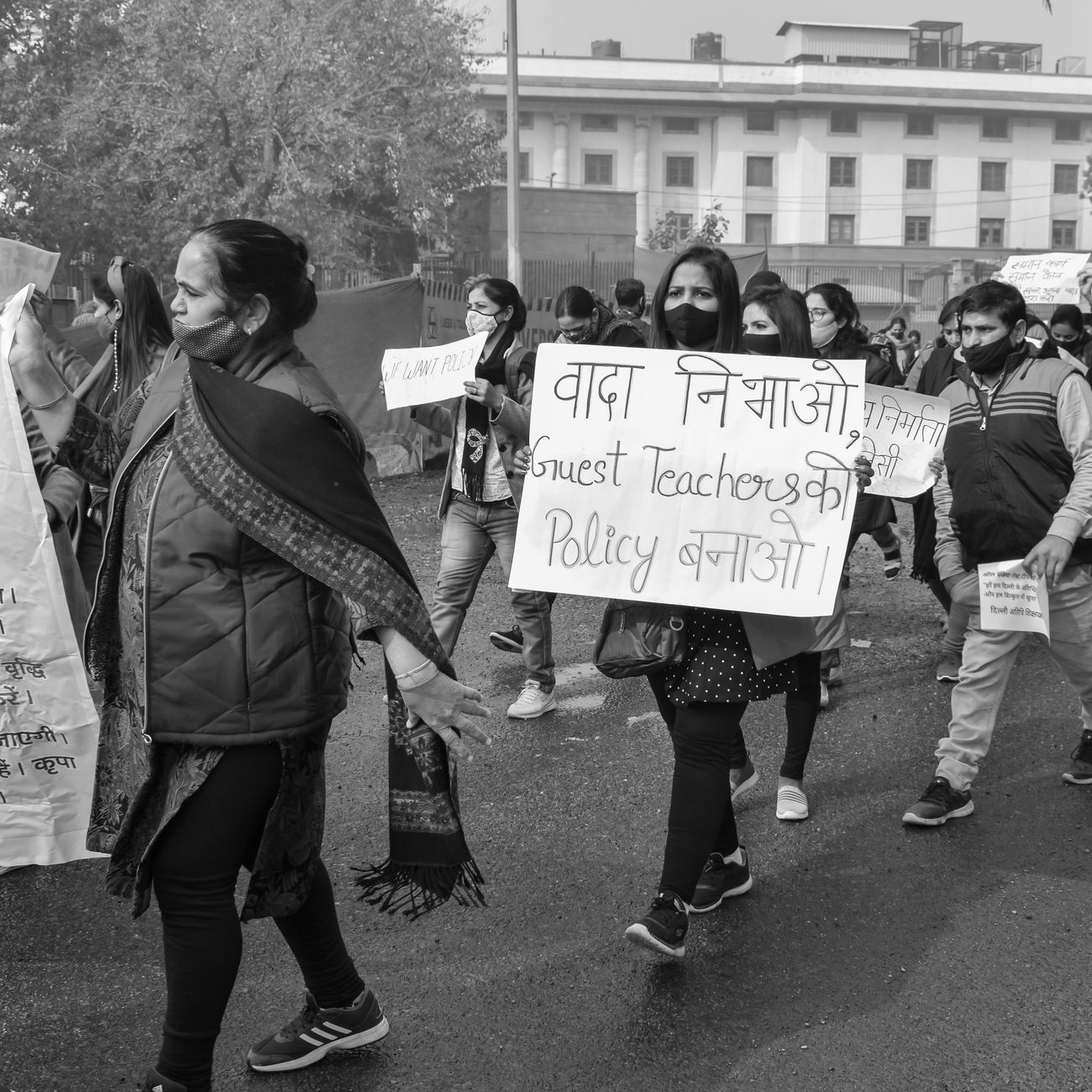
Simultaneously, physical protests remain crucial. Students gather at examination centers, government offices, and public squares, often enduring harsh weather conditions—from Delhi's winter chill to summer heat—to make their voices heard. The determination to protest despite physical discomfort while maintaining peaceful decorum has garnered public sympathy and media attention.
Key Issues Driving Student Activism
Several recurring themes have emerged from these protests:
- Examination irregularities including paper leaks and technical glitches in online tests
- Last-minute changes to exam patterns or syllabi without adequate notice
- Age limits and attempt restrictions for competitive examinations
- Concerns about reservation policies and their implementation
- Transparency in government recruitment processes
- Quality of education in government institutions
- Rising education costs and fee hikes
Students argue that these issues reflect systemic problems in how education policy is formulated and implemented, often without consulting the primary stakeholders—the students themselves.
Impact on Policy and Public Discourse
The sustained nature of these protests has yielded tangible results. Governments have been forced to reconsider or postpone controversial policy changes, establish high-level committees to investigate examination irregularities, and engage in dialogue with student representatives. Several states have rolled back fee hikes or introduced new grievance redressal mechanisms in response to student demands.
More significantly, these movements have shifted public discourse. Education policy is no longer discussed solely in bureaucratic or academic circles. Gen Z has democratized this conversation, bringing issues from examination halls to living rooms through their effective use of social media and traditional media engagement.
The Role of Technology and Social Media
Platforms like Twitter, Instagram, and WhatsApp have become organizing tools. Students share real-time updates during protests, coordinate logistics, fact-check government statements, and build solidarity across geographic boundaries. Online petitions have garnered lakhs of signatures, while crowdsourced data collection has exposed systemic failures in examination administration.
This technological sophistication has made it harder for authorities to ignore or dismiss student concerns. The transparency and documentation that social media enables have held institutions accountable in unprecedented ways.
Challenges and Criticisms
Not everyone views these protests favorably. Critics argue that some demands are unrealistic or that protests disrupt the academic calendar. Questions have been raised about whether social media activism sometimes prioritizes virality over substantive engagement. There are also concerns about potential manipulation of genuine student grievances by political actors.
However, most neutral observers acknowledge that the core issues raised by students are legitimate and reflect genuine anxieties about an education system under strain from rapid expansion, technological changes, and shifting job market demands.
Looking Ahead
The Gen Z protest movement has established that young Indians will not passively accept policies affecting their futures. This generation's insistence on transparency, consultation, and accountability is likely to shape education governance for years to come. Educational institutions and policymakers must recognize that today's students are informed, connected, and willing to mobilize when they perceive injustice.
The movement has also created a template for youth activism on other issues. The combination of data-driven arguments, creative expression, and sustained mobilization demonstrated by student protesters offers lessons for broader civic engagement in India's democracy.
As India continues to reform its education sector to meet 21st-century demands, the voice of Gen Z—articulated through these protests—will remain a crucial factor in determining whether these changes serve the students they are meant to benefit.