India's impressive medal tally at the 2026 Commonwealth Games highlights not just athletic excellence, but the crucial role that government employment plays in nurturing sporting talent. Behind many of the country's 17 medals are athletes who hold sarkari jobs, benefiting from schemes that provide financial stability while they pursue sporting glory.
The Sports Quota System in Indian Government
Government departments and public sector undertakings (PSUs) in India have long maintained sports quotas for recruitment. These positions allow talented athletes to secure stable employment while continuing their training and competition schedules. Major employers include Indian Railways, Sports Authority of India (SAI), Oil and Natural Gas Corporation (ONGC), Steel Authority of India Limited (SAIL), and various state police departments.
The sports quota typically reserves positions for athletes who have represented India at international competitions or achieved specific standards in national championships. These jobs come with regular salaries, pension benefits, medical coverage, and most importantly, flexible work arrangements that accommodate training schedules.
Benefits That Make Champions
Athletes holding government positions enjoy several advantages that directly contribute to their sporting performance:
- Regular monthly salary ranging from Rs 25,000 to Rs 80,000 depending on the department and grade
- Access to world-class training facilities maintained by government sports institutes
- Financial support for participating in international competitions
- Job security that reduces financial stress on athletes and their families
- Pension and retirement benefits providing long-term financial planning
- Medical insurance covering injuries and health concerns
- Study leave provisions for coaching certifications and higher education
These benefits create an ecosystem where athletes can focus entirely on their sport without worrying about their next paycheck or post-retirement security.
Popular Departments for Athlete Recruitment
Indian Railways remains the largest employer of athletes in India, with hundreds of sportspersons on its payroll across various disciplines. The railways provide dedicated training facilities and coaches, along with flexible duty hours that prioritize athletic commitments.
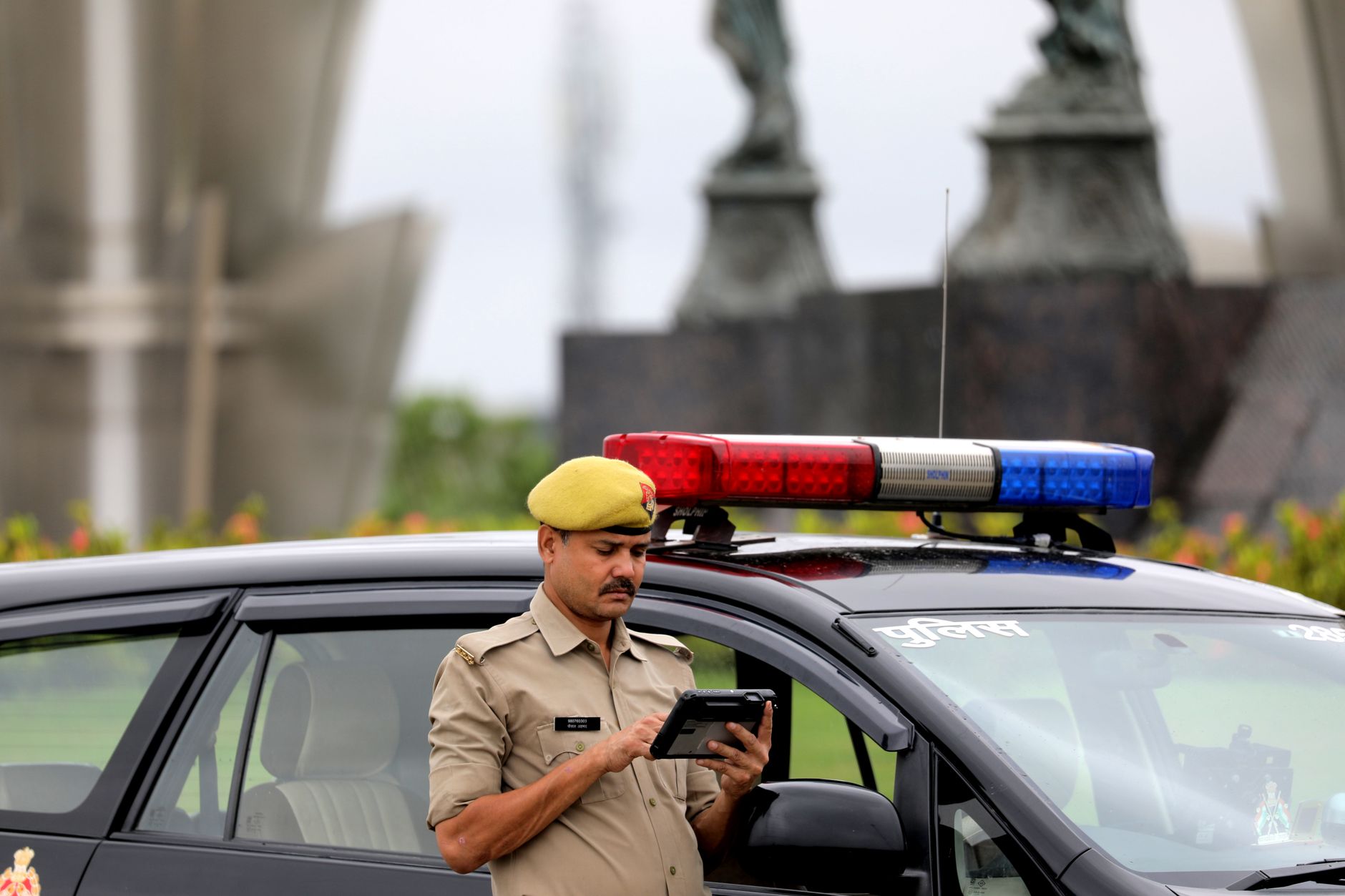
The Central Reserve Police Force (CRPF), Border Security Force (BSF), and state police departments actively recruit athletes, particularly in combat sports, athletics, and shooting disciplines. These paramilitary and police organizations offer competitive salaries and excellent sports infrastructure.
Public sector banks and insurance companies also maintain sports quotas, though on a smaller scale. Oil and gas PSUs like ONGC, Indian Oil, and Bharat Petroleum have established themselves as significant supporters of Indian sports through employment schemes.
The Application Process
Athletes seeking government jobs through sports quota must typically meet specific criteria:
- Representation at international level (Olympics, Asian Games, Commonwealth Games) or medals at national championships
- Age limits varying by department (usually 18-25 years, with relaxations)
- Minimum educational qualifications (typically Class 10 or 12)
- Physical fitness standards as per department requirements
The recruitment process usually involves verification of sporting achievements, educational certificates, and interviews. Some departments also conduct basic written tests or skill assessments.
Challenges and Criticisms
Despite the benefits, the sports quota system faces several challenges. Processing applications can take months or even years, during which promising athletes may lose crucial training time. Some critics argue that the system favors established athletes rather than emerging talent.
There are also concerns about athletes being assigned duties that interfere with training, though most departments now have better policies protecting athlete interests. The lack of standardization across different government bodies creates confusion about eligibility and benefits.
Beyond the Paycheck
Government employment provides more than just financial security. It offers athletes social status and family approval, which remains important in Indian society. Many talented athletes from rural or economically disadvantaged backgrounds find government jobs to be their ticket to pursuing sports professionally.
The institutional support, including access to sports science, physiotherapy, nutrition experts, and mental conditioning coaches employed by government sports bodies, significantly enhances athlete preparation and performance.
The Road Ahead
As India aims to improve its standing in international sports, strengthening the government employment pathway for athletes remains crucial. Recent initiatives include faster processing of sports quota applications, higher salary grades for medal winners, and improved training infrastructure.
The 17 medals at CWG 2026 demonstrate that when athletes receive financial stability and institutional support through government employment, they can compete at the highest levels without compromising their future security.
This article is for general information purposes only. Specific details about government sports quota schemes, eligibility criteria, and application processes may vary by department and are subject to change. Prospective applicants should verify current requirements from official sources.