India's tourism sector is experiencing a remarkable transformation, with domestic travelers emerging as the primary engine driving the industry's growth. According to the World Travel & Tourism Council (WTTC), domestic tourism now represents a staggering 86% of all travel-related spending in the country, highlighting a fundamental shift in how Indians explore their own nation.
This overwhelming dominance of domestic tourism spending reflects several interconnected trends that have reshaped India's travel landscape over the past few years. The COVID-19 pandemic initially forced travelers to rediscover local destinations, but the trend has persisted and strengthened even as international borders reopened.
The Domestic Tourism Boom
The numbers paint a clear picture of India's travel preferences. With a population of over 1.4 billion people and a growing middle class, the sheer volume of domestic travelers has created an economic powerhouse within the tourism sector. From weekend getaways to extended holiday trips, Indians are increasingly choosing to explore the diverse landscapes, cultural heritage, and natural wonders within their own borders.
Several factors contribute to this domestic tourism dominance:
- Rising disposable incomes among middle-class families enabling more frequent travel
- Improved connectivity through expanded highway networks and increased flight routes
- Growing awareness of India's diverse destinations through social media and digital platforms
- Simplified travel planning with online booking platforms and travel apps
- Cost advantages compared to international travel, especially for families
- Cultural comfort and familiarity with local cuisines, languages, and customs
Popular Domestic Destinations
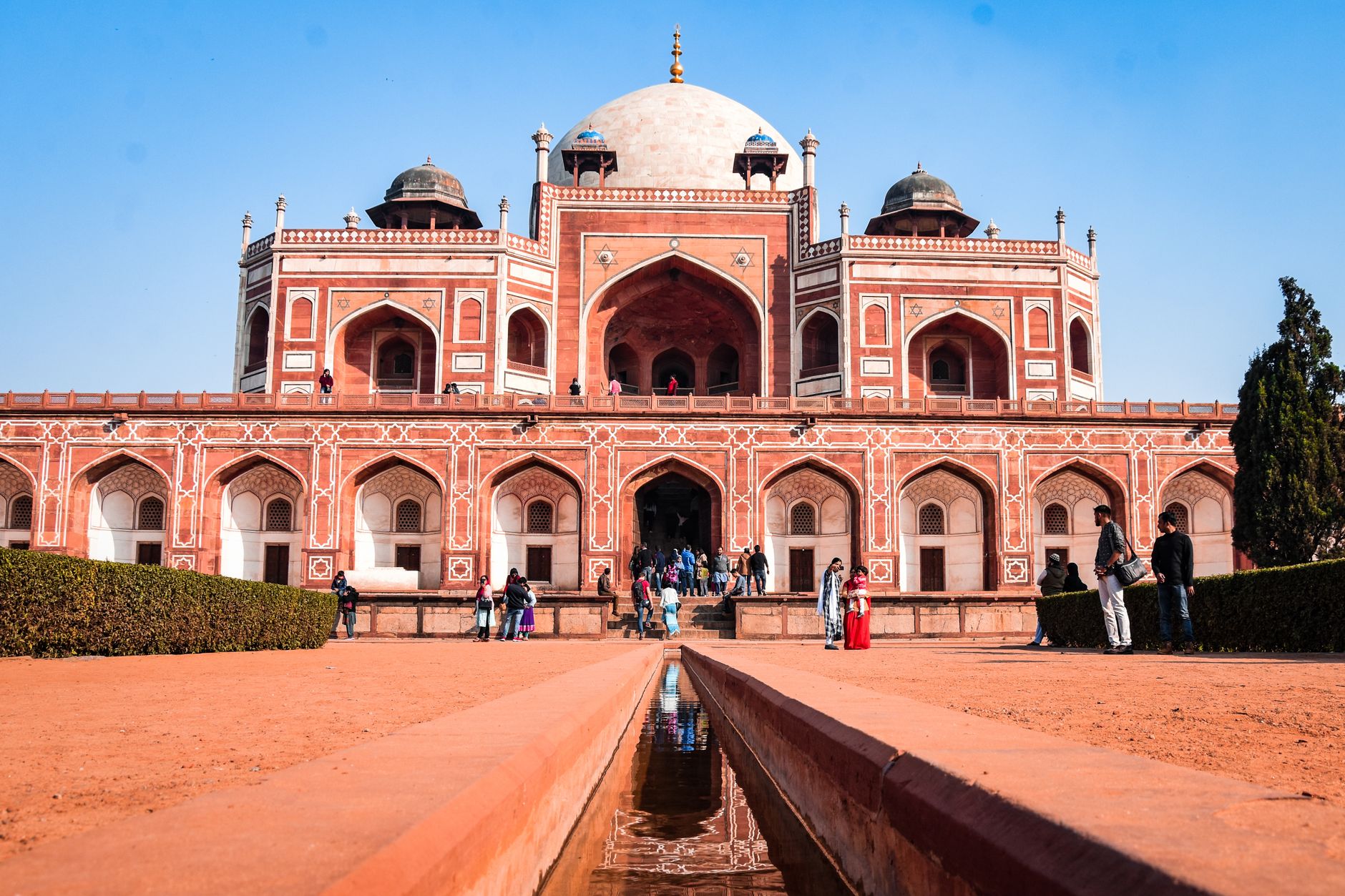
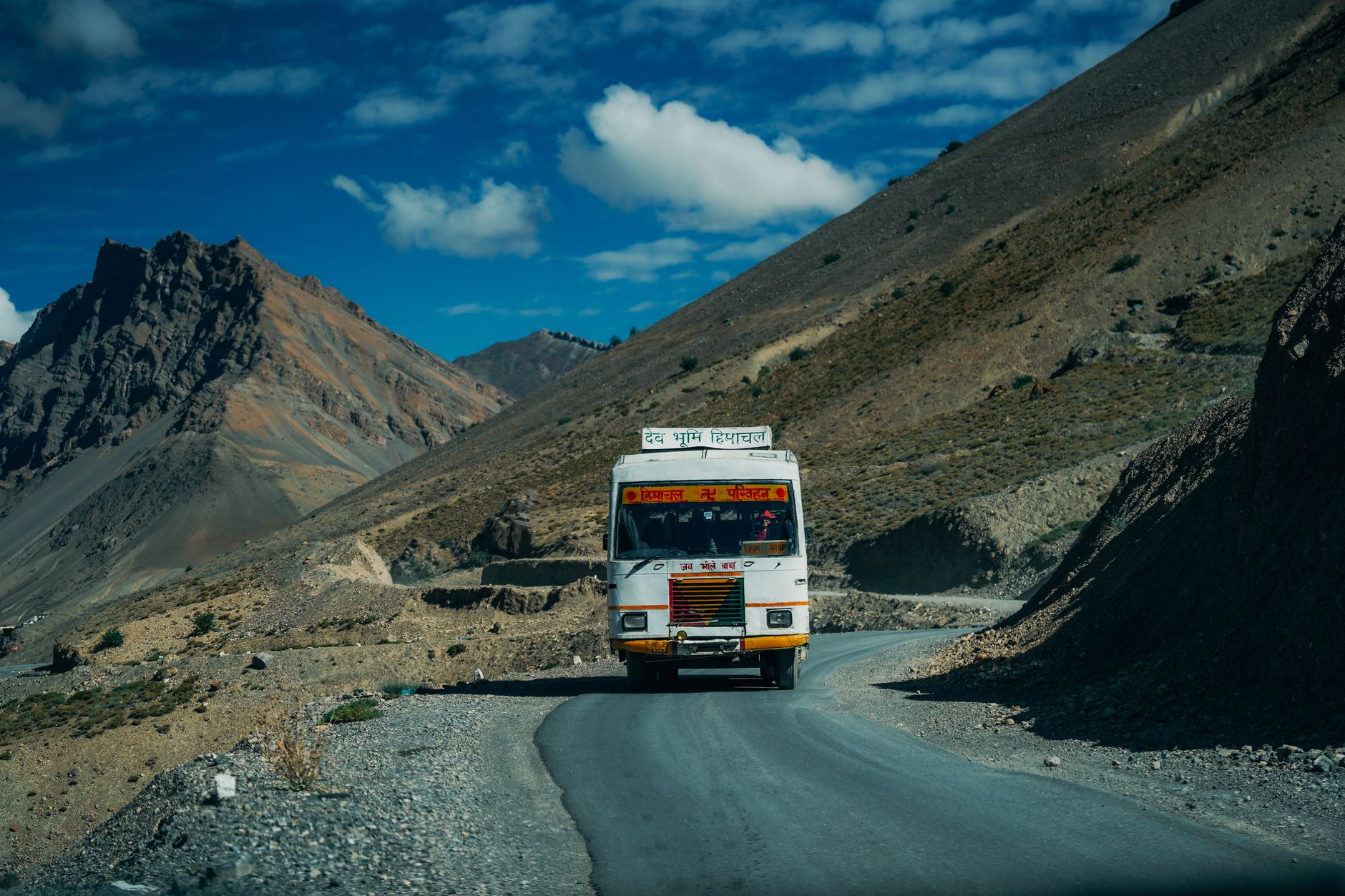
Indian travelers are venturing to every corner of the country, from the Himalayan peaks of Ladakh and Uttarakhand to the beaches of Goa and Kerala. Hill stations continue to attract summer tourists seeking respite from scorching plains, while spiritual destinations like Varanasi, Rishikesh, and Tirupati see year-round footfall.
Emerging destinations are also gaining traction. Northeastern states like Meghalaya and Arunachal Pradesh have seen increased visitor numbers, while offbeat locations in Rajasthan, Madhya Pradesh, and Karnataka are becoming popular among travelers seeking unique experiences away from crowded tourist hotspots.
Economic Impact
The dominance of domestic tourism spending has significant implications for India's economy. The sector supports millions of jobs across hotels, restaurants, transportation services, tour operators, and ancillary businesses. Small towns and rural areas with tourist attractions benefit from this spending, creating employment opportunities and supporting local entrepreneurship.
The government's focus on developing tourism infrastructure and promoting destinations under initiatives like "Dekho Apna Desh" (See Your Own Country) has further catalyzed domestic travel. States are competing to attract tourists by improving facilities, creating new attractions, and marketing their unique offerings.
The International Tourism Gap
While domestic tourism flourishes, the relatively smaller contribution from international visitors—just 14% of total travel spending—indicates both a challenge and an opportunity. India continues to work on attracting more foreign tourists by easing visa processes, improving tourist infrastructure, and marketing itself globally as a must-visit destination.
However, the strong domestic foundation provides stability to the tourism sector, making it less vulnerable to global economic fluctuations, international travel disruptions, or geopolitical tensions that might affect foreign tourist arrivals.
Future Outlook
The trend toward domestic tourism shows no signs of slowing. As more Indians gain access to paid leave, flexible work arrangements, and disposable income, travel is becoming an integral part of lifestyle choices rather than a luxury. Younger generations, in particular, are prioritizing experiences and are willing to spend on travel and exploration.
The rise of experiential tourism, adventure travel, wellness retreats, and heritage tourism within India suggests that domestic travelers are seeking more than just sightseeing—they want meaningful, memorable experiences. This evolution is pushing destinations and service providers to innovate and elevate their offerings.
Supporting Infrastructure Development
The sustained growth in domestic tourism spending is encouraging both government and private sector investment in tourism infrastructure. New airports, improved railway connectivity, better roads, and enhanced accommodation options are being developed across tier-2 and tier-3 cities, making previously hard-to-reach destinations more accessible.
The tourism sector's heavy reliance on domestic spending underscores the importance of maintaining economic stability, supporting middle-class growth, and continuing infrastructure development to sustain this vital contributor to India's economy.