The global tourism industry is undergoing a fundamental transformation. Travelers are increasingly moving away from traditional package tours and tick-box sightseeing toward immersive, experiential journeys that offer authentic connections with local cultures, communities, and traditions. This shift represents a significant opportunity for destinations that can deliver meaningful, participatory experiences—and India appears exceptionally well-positioned to capture this growing market segment.
What Is Experiential Travel?
Experiential travel prioritizes active participation and emotional engagement over passive observation. Rather than simply viewing monuments from a distance, experiential travelers want to cook traditional dishes with local families, learn ancient crafts from master artisans, participate in religious ceremonies, trek through remote villages, or volunteer in conservation projects.
This travel philosophy emphasizes quality over quantity, depth over breadth, and authentic cultural exchange over superficial tourism. Travelers seek stories they can tell, skills they can learn, and connections they can make—experiences that transform them rather than simply entertaining them for a few hours.
Why India Has a Competitive Advantage
India's extraordinary diversity makes it a natural leader in experiential tourism. Few countries can match the sheer variety of cultural, spiritual, culinary, and natural experiences available within a single destination.
The country offers thousands of years of continuous civilization, with living traditions that haven't been reduced to mere performances for tourists. From yoga and meditation retreats in Rishikesh to pottery workshops in Rajasthan, spice plantation tours in Kerala to homestays in Himalayan villages, India provides authentic experiences that travelers increasingly crave.
Cultural and Spiritual Depth
India's spiritual traditions attract millions seeking transformative experiences. Travelers can study meditation with Buddhist monks in Ladakh, participate in Ganga aarti ceremonies in Varanasi, attend traditional music and dance performances that haven't changed in centuries, or explore the philosophical teachings of ancient texts with scholars.
Religious festivals like Kumbh Mela, Diwali celebrations in different regions, and local temple festivals offer participatory cultural immersion impossible to replicate elsewhere. These aren't staged events for tourists—they're living traditions where visitors can engage respectfully as observers and sometimes participants.
Culinary Experiences
Indian cuisine's regional diversity provides endless opportunities for food-focused experiential travel. Cooking classes with home cooks, market tours with local chefs, farm-to-table experiences, spice plantation visits, and traditional meal preparations for festivals all allow travelers to engage deeply with India's culinary heritage.
The growing interest in regional Indian cuisines—from Chettinad to Kashmiri to Bengali—means travelers can design entire itineraries around food experiences, learning not just recipes but the cultural contexts that shaped them.
Adventure and Nature
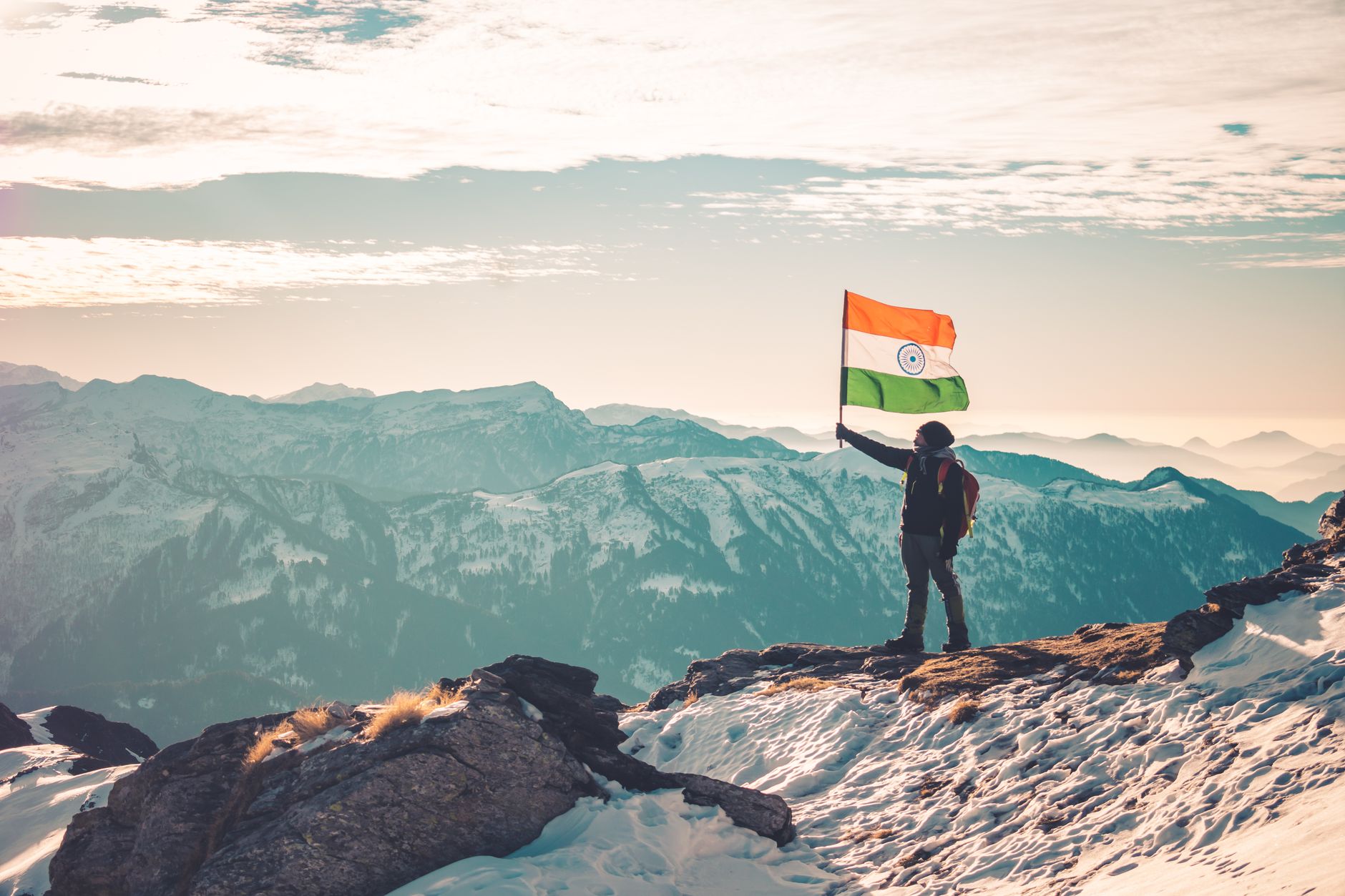
Beyond cultural experiences, India offers diverse adventure tourism opportunities. Trekking in the Himalayas, wildlife safaris in national parks, white-water rafting, desert camping in Rajasthan, and backwater houseboat journeys in Kerala all provide active, immersive ways to experience India's natural diversity.
Community-based ecotourism initiatives allow travelers to stay in tribal villages, participate in conservation efforts, and learn about traditional ecological knowledge while directly benefiting local communities.
Challenges to Address
To fully capitalize on experiential travel growth, India must address several challenges. Infrastructure development in rural areas, standardization of quality without losing authenticity, sustainable tourism practices to prevent over-tourism, better training for local guides and hosts, and improved digital marketing showcasing experiential offerings all require attention.
Language barriers, safety concerns, and inconsistent service standards can deter some international travelers. However, these challenges also represent opportunities for entrepreneurship and investment in tourism infrastructure.
The Economic Impact
Experiential travel typically generates higher revenue per tourist than conventional tourism. These travelers stay longer, spend more on experiences, and distribute their spending more widely across communities rather than concentrating it in major cities. This model can bring tourism benefits to rural and remote areas that see little benefit from traditional tourism.
The experiential travel boom also creates employment opportunities for local artisans, guides, homestay operators, and small businesses, promoting more equitable tourism development.
Looking Forward
As global tourism recovers and evolves post-pandemic, the experiential travel trend shows no signs of slowing. Younger travelers, particularly millennials and Gen Z, prioritize experiences over possessions and seek authentic connections with places they visit.
India's challenge is to develop and market experiential offerings while maintaining the authenticity that makes them valuable. With strategic investment, community involvement, and sustainable practices, India can establish itself as a premier global destination for travelers seeking transformative, immersive experiences.