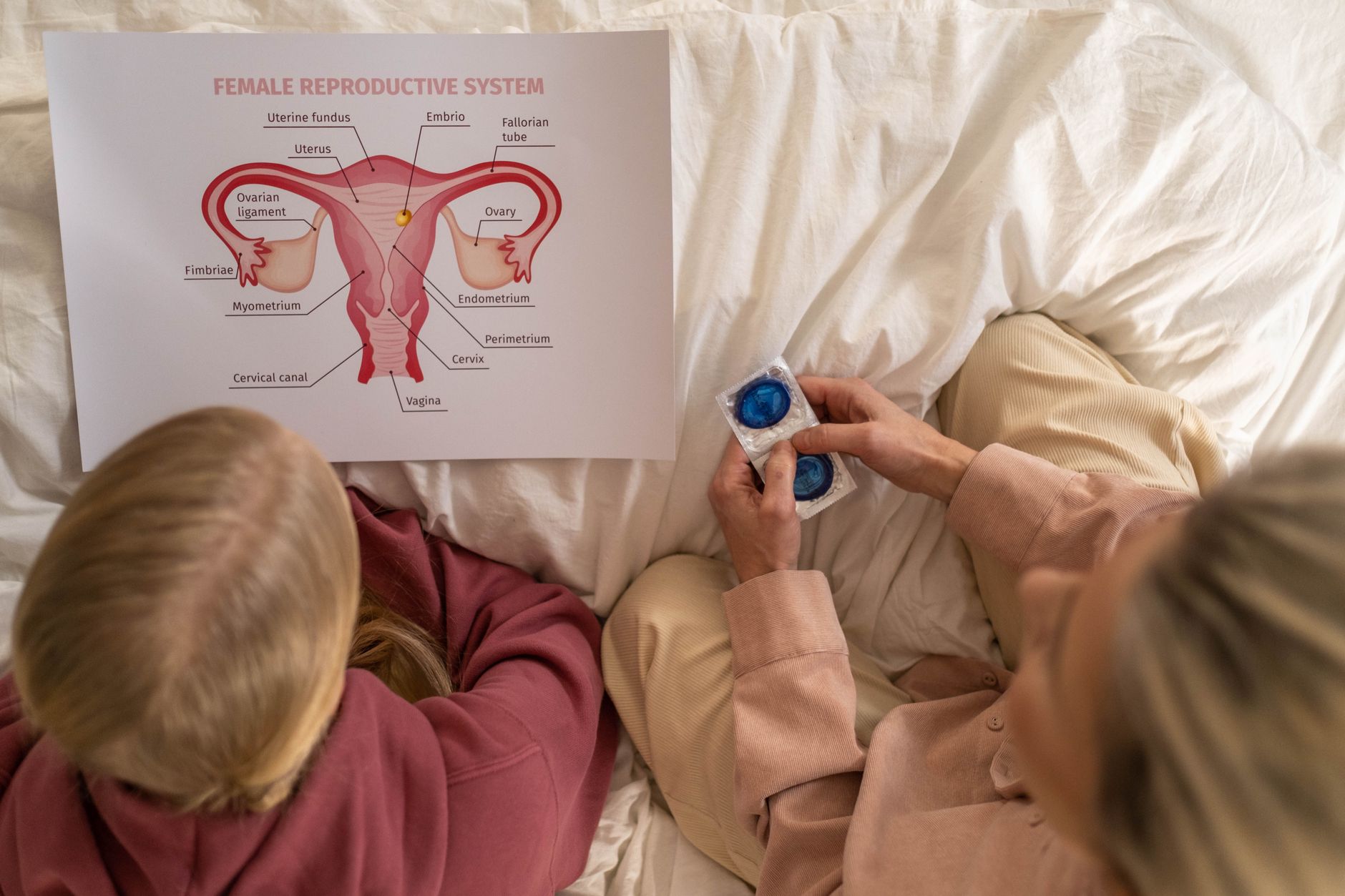
Female genital mutilation (FGM) refers to procedures that intentionally alter or cause injury to female genital organs for non-medical reasons. Recognized internationally as a violation of human rights, this practice affects over 200 million girls and women alive today across approximately 30 countries, primarily in Africa, the Middle East, and Asia.
What Constitutes FGM
The World Health Organization classifies FGM into four main types. Type I involves partial or total removal of the clitoris. Type II includes removal of the clitoris and labia minora. Type III, known as infibulation, involves narrowing the vaginal opening by creating a covering seal. Type IV encompasses all other harmful procedures including pricking, piercing, incising, scraping, or cauterizing the genital area.
These procedures are typically performed on young girls between infancy and age 15, though adult women may also undergo FGM in some communities. Traditional practitioners often perform the procedure without anesthesia using basic instruments like knives, scissors, scalpels, or pieces of glass.
Health Consequences
The immediate health risks of FGM are severe and include excessive bleeding, shock, infections, urinary problems, and even death. Many girls experience intense pain during and after the procedure, particularly when performed without anesthetic or proper medical equipment.
Long-term complications extend throughout a woman's life. Physical consequences include chronic pain, repeated infections, cysts, difficulty urinating, menstrual problems, and increased vulnerability to HIV and other blood-borne diseases due to the use of unsterilized instruments.
During childbirth, women who have undergone FGM face significantly higher risks. They experience increased rates of cesarean sections, postpartum hemorrhage, and perinatal death. Their babies face higher mortality risks during and shortly after delivery.
The psychological impact cannot be overstated. Many survivors experience post-traumatic stress disorder, anxiety, depression, and difficulties with sexual intimacy. The betrayal by trusted family members who arranged the procedure can create lasting emotional wounds.
Why Does It Persist
Despite its harmful nature, FGM continues due to complex social, cultural, and religious factors. In communities where it is practiced, FGM is often considered a necessary part of raising a girl properly and preparing her for adulthood and marriage.
Some communities believe FGM ensures virginity and marital fidelity, though there is no evidence supporting this. Others view it as a religious requirement, though no religious texts mandate the practice. Social pressure plays a significant role, as uncut girls may face stigmatization, exclusion, or reduced marriage prospects.
The practice persists across generations because many mothers, having undergone FGM themselves, see it as a normal part of their cultural identity rather than harmful. This normalization makes changing attitudes particularly challenging.
The Legal Landscape
India banned FGM in 2018, though enforcement remains challenging. The practice exists primarily within the Dawoodi Bohra community, a Shia Muslim sect, where it is known as khatna or khafz.
Internationally, many countries have criminalized FGM, and numerous organizations work toward its elimination. The United Nations has set a goal to end FGM by 2030 as part of its Sustainable Development Goals.
Moving Toward Elimination
Ending FGM requires multi-faceted approaches. Education programs that highlight health risks and human rights violations help change community attitudes. Engaging religious and community leaders as advocates against FGM proves particularly effective, as they hold significant influence over community practices.
Providing alternative coming-of-age ceremonies that celebrate girls without cutting offers communities ways to maintain cultural identity while abandoning harmful practices. Supporting survivors through medical care, counseling, and reconstructive surgery when possible helps address the ongoing impacts.
Legal enforcement, while important, must be balanced with community engagement. Purely punitive approaches may drive the practice underground rather than eliminating it. Successful programs combine legal frameworks with education, economic empowerment for women, and community-led change.
Healthcare providers play a crucial role in identifying and supporting FGM survivors, advocating against the practice, and refusing to perform or medicalize FGM, even when requested by families seeking safer conditions.
The Path Forward
Eliminating FGM requires sustained effort across generations. Progress is being made, with prevalence declining in many countries and more girls being spared the procedure. However, population growth means the absolute number of girls at risk continues to rise without accelerated action.
Young people, both male and female, increasingly reject FGM and advocate for its end. Supporting these voices and empowering communities to make change from within offers the most promising path toward elimination.
This article is for general informational purposes only. If you or someone you know has experienced FGM, please consult healthcare professionals who can provide appropriate medical care and psychological support.