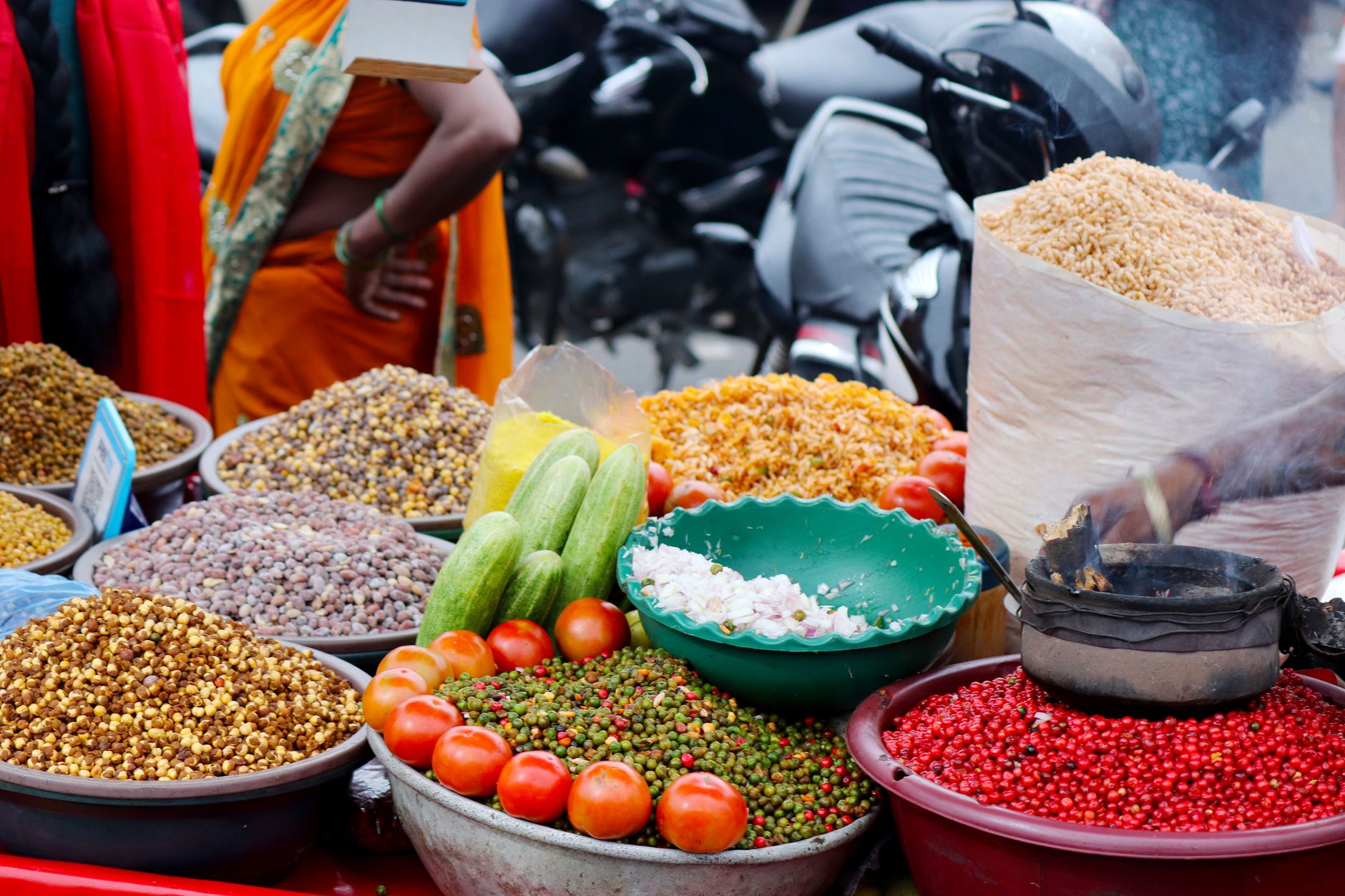
Food adulteration has emerged as a critical public health concern in India, with authorities ramping up enforcement actions against manufacturers and sellers who compromise food safety standards. The widespread use of hazardous chemicals, synthetic colours, and contaminated ingredients in everyday food items has prompted regulatory agencies to take decisive action.
The Scope of Food Adulteration in India
Food adulteration involves the addition of inferior, harmful, or non-permitted substances to food products, either to increase quantity, enhance appearance, or reduce production costs. Common examples include the mixing of chalk powder in flour, artificial colours in spices, urea in milk, and harmful preservatives in packaged foods.
The Food Safety and Standards Authority of India (FSSAI) regularly conducts surveillance operations across the country, and their findings paint a concerning picture. Testing laboratories have identified adulteration in various food categories, from staples like pulses and cooking oils to processed foods and dairy products.
Common Adulterants and Health Risks
Several hazardous substances frequently detected in food products pose serious health risks:
- Metanil yellow and other non-permitted synthetic colours in turmeric, sweets, and spices can cause digestive problems and are potentially carcinogenic
- Formalin used as a preservative in fish, milk, and other perishables is toxic and can damage organs
- Lead chromate added to spices for colour enhancement leads to neurological damage
- Argemone oil mixed with mustard oil has been linked to epidemic dropsy
- Calcium carbide used for artificial ripening of fruits can cause dizziness and health complications
- Adulterants in milk including detergent, urea, and starch compromise nutritional value
Long-term consumption of adulterated foods has been associated with various health issues ranging from digestive disorders and allergic reactions to serious conditions like kidney damage, liver dysfunction, and cancer.
Regulatory Framework and Enforcement
The Food Safety and Standards Act, 2006, provides the legal framework for preventing food adulteration in India. Under this act, the FSSAI sets standards for food products and regulates their manufacture, storage, distribution, and sale.
State food safety departments conduct regular inspections of manufacturing units, warehouses, retail outlets, and restaurants. Samples are collected and sent to designated laboratories for testing. When adulteration is detected, authorities can impose penalties, suspend licenses, or initiate criminal proceedings depending on the severity.
Recent enforcement drives have resulted in the seizure of large quantities of adulterated products and the closure of manufacturing units operating without proper licenses or flouting safety norms. Authorities have also targeted online food sellers and cloud kitchens to ensure compliance with safety standards.
Technology-Enabled Monitoring
Modern technology is playing an increasingly important role in combating food adulteration. The FSSAI has introduced mobile testing laboratories that can conduct on-the-spot tests for common adulterants. This enables quicker action and helps authorities cover more ground.
Digital platforms allow consumers to check the license status of food businesses and report suspected cases of adulteration. Some state governments have launched apps that enable citizens to participate in food safety monitoring.
Laboratory testing has also become more sophisticated, with advanced techniques helping detect even trace amounts of harmful substances that might have gone unnoticed earlier.
Consumer Awareness and Protection
Educating consumers remains a crucial component of the fight against food adulteration. Awareness campaigns teach people how to identify adulterated products through simple home tests and visual inspection.
Consumers can protect themselves by:
- Purchasing food products from licensed and reputable vendors
- Checking for FSSAI license numbers on packaged foods
- Being wary of unusually bright colours or suspiciously low prices
- Reporting suspected adulteration cases through official channels
- Preferring certified organic products when possible
The Road Ahead
While enforcement efforts have intensified, experts acknowledge that eliminating food adulteration requires sustained action on multiple fronts. Strengthening the supply chain, increasing the frequency of inspections, imposing stricter penalties, and fostering a culture of compliance among food businesses are all necessary steps.
The government has announced plans to expand laboratory infrastructure, recruit more food safety officers, and leverage technology for better surveillance. Public-private partnerships and industry self-regulation are also being encouraged to supplement government efforts.
This article is for general information purposes only and does not constitute medical or health advice. Readers concerned about food safety or experiencing health issues should consult qualified healthcare professionals and report suspected food adulteration to local authorities.