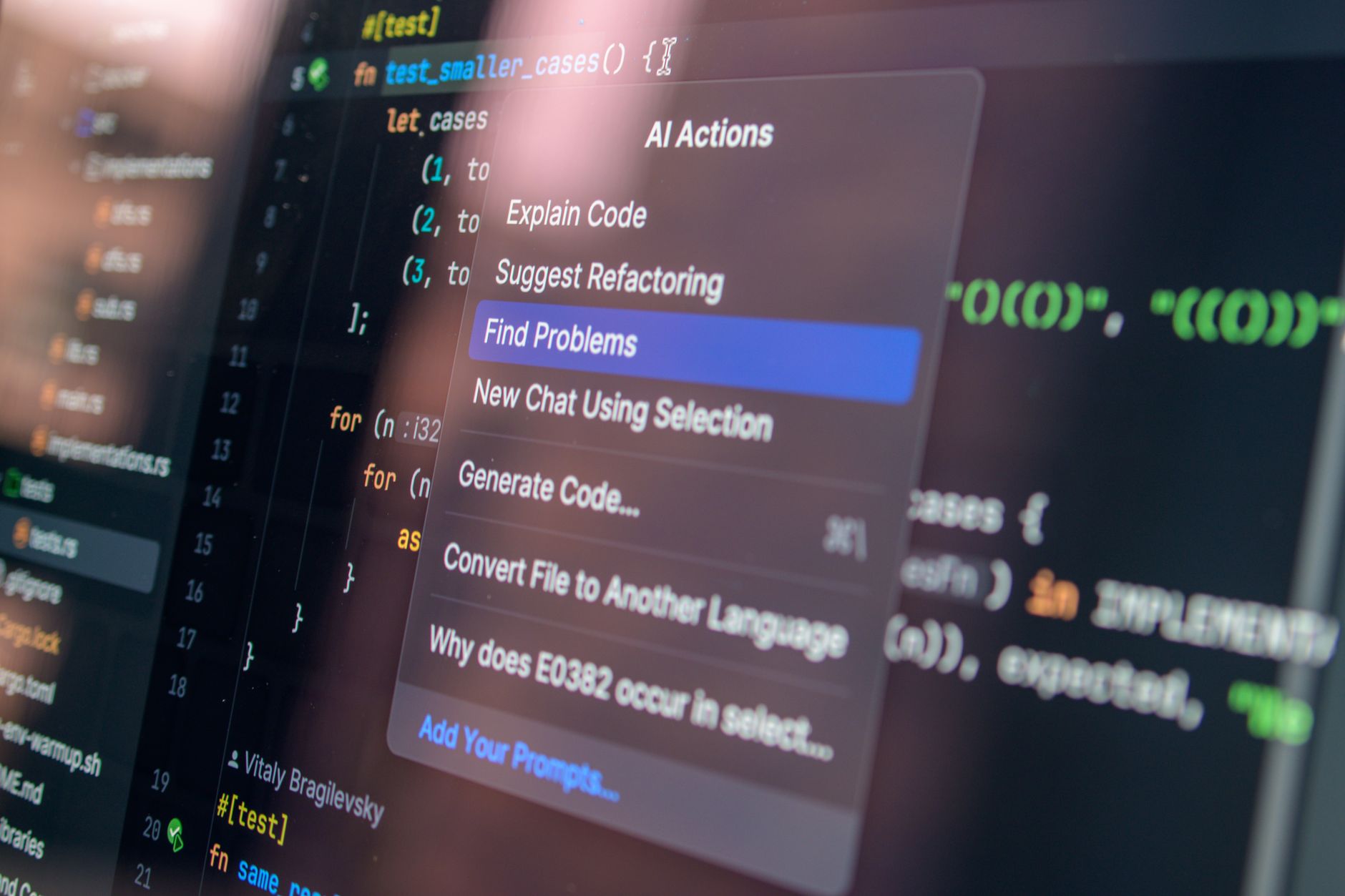
The phrase "sarkari naukri" has long been synonymous with job security, prestige, and a coveted career path in India. For decades, the Indian Administrative Service (IAS) and other civil services have represented the pinnacle of government employment. However, a technological revolution is now reshaping the landscape of public sector jobs, introducing what many are calling the era of the "AI babu."
The Digital Transformation of Government Services
Government departments across India are increasingly adopting artificial intelligence, machine learning, and automation technologies to improve efficiency and service delivery. This shift is not just about adding computers to offices—it represents a fundamental change in how government work is performed and what skills are valued in public sector employees.
From automated grievance redressal systems to AI-powered analytics for policy making, technology is becoming integral to governance. Ministries and departments are deploying chatbots for citizen services, using data analytics for better resource allocation, and implementing blockchain for transparent record-keeping.
New Skill Requirements for Government Jobs
The traditional preparation for government exams focused heavily on general knowledge, current affairs, and subject-specific expertise. While these remain important, the modern sarkari naukri increasingly demands additional competencies:
- Digital literacy and comfort with technology platforms
- Data analysis and interpretation skills
- Understanding of cyber security basics
- Familiarity with e-governance systems
- Ability to work with AI-assisted decision-making tools
Many government departments now conduct computer-based tests and require recruits to undergo digital training programs. The Union Public Service Commission (UPSC) and State Public Service Commissions are also updating their syllabi to reflect contemporary technological requirements.
AI in Recruitment and Administration
The recruitment process itself is being revolutionized. AI-powered systems are being used to screen applications, conduct preliminary assessments, and even detect anomalies in candidate responses. This helps process the massive volumes of applications that government jobs typically attract—sometimes running into lakhs for a few thousand positions.
Within government offices, AI tools are assisting with routine administrative tasks, document processing, and data management. This allows human employees to focus on more complex decision-making and citizen-facing responsibilities that require emotional intelligence and nuanced judgment.
The Changing Nature of Civil Services
IAS officers and other civil servants are now expected to be tech-savvy administrators who can leverage digital tools for better governance. Smart city initiatives, digital India programs, and e-governance platforms all require bureaucrats who understand technology and can drive digital transformation at the ground level.
Training academies like the Lal Bahadur Shastri National Academy of Administration have incorporated modules on emerging technologies, digital governance, and data-driven policymaking into their curricula. Mid-career training programs for existing officers also emphasize technological upskilling.
Opportunities in Tech-Enabled Government Roles
The digital transformation is creating new categories of government jobs that didn't exist a decade ago:
- Cyber security specialists in defence and intelligence agencies
- Data scientists in planning and statistical organizations
- Digital infrastructure managers in smart city missions
- AI ethics officers in regulatory bodies
- Technology consultants in various ministries
These roles often require specialized technical qualifications beyond traditional civil service preparation, opening government employment to professionals from engineering and technology backgrounds.
Challenges and Concerns
Despite the advantages, this technological shift presents challenges. There are concerns about job displacement for roles that can be automated, the digital divide affecting both employees and citizens, and the need for massive retraining programs for existing staff.
Privacy and data security issues also emerge as governments collect and process increasing amounts of citizen data. Balancing efficiency with transparency and accountability in AI-assisted decision-making remains an ongoing challenge.
The Human Element Remains Critical
While technology is transforming government work, the human element of public service remains irreplaceable. Empathy, ethical judgment, understanding local contexts, and building community relationships are aspects of governance that AI cannot replicate.
The future of sarkari naukri likely lies in a hybrid model where technology handles routine processes and data-heavy tasks, while human officials focus on policy formulation, complex problem-solving, and ensuring that governance remains responsive to citizen needs.
What Aspirants Should Do
For those preparing for government jobs, embracing technology is no longer optional. Developing basic coding skills, understanding data analytics, staying updated on AI developments, and being comfortable with digital tools will provide a competitive advantage.
However, traditional strengths—analytical thinking, communication skills, ethical grounding, and subject expertise—remain equally important. The ideal modern civil servant combines technological competence with strong foundational knowledge and a commitment to public service.
The transformation from IAS to AI babu represents not a replacement but an evolution, where technology empowers better governance while human wisdom guides its application.