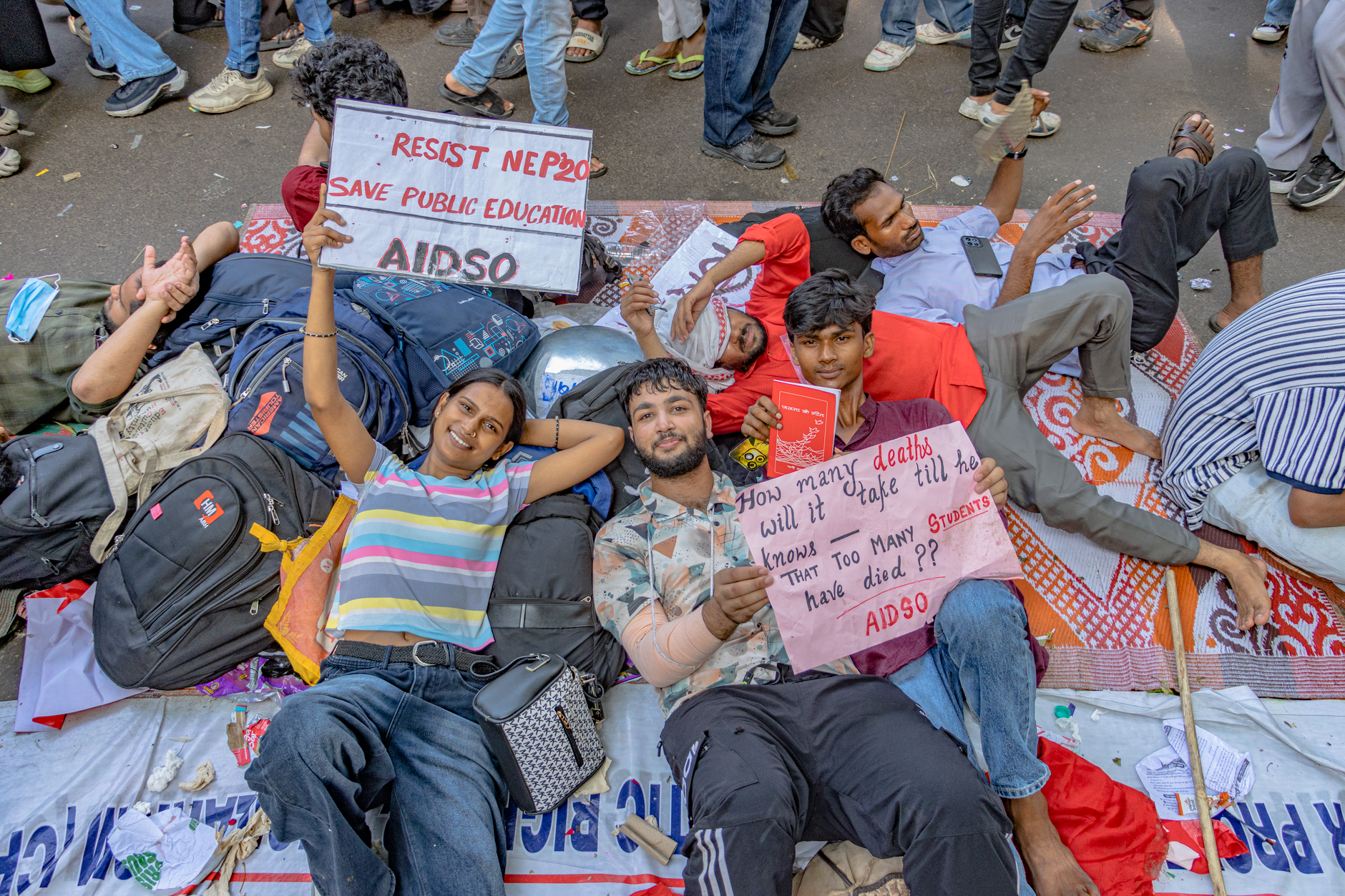
India's Generation Z, comprising those born between 1997 and 2012, is making its dissatisfaction with the country's education system increasingly clear. From social media campaigns to campus protests, young Indians are questioning whether their years in classrooms are actually preparing them for the real world. This frustration reflects deeper systemic issues that have persisted for decades.
The Core Complaints: Rote Learning Over Real Skills
The primary grievance among Gen Z students centres on India's persistent reliance on rote memorization. Despite periodic curriculum reforms, the education system continues to prioritize exam scores over critical thinking, creativity, and practical application. Students often find themselves memorizing facts and formulas without understanding their relevance or application.
This approach creates a generation of test-takers rather than problem-solvers. Many students excel at reproducing information during examinations but struggle when faced with real-world scenarios requiring analytical thinking or innovation. The disconnect becomes glaringly apparent when graduates enter the workforce unprepared for the demands of modern employment.
The Employment Gap
India faces a paradox: millions of graduates but acute skill shortages in key sectors. According to various industry assessments, a significant percentage of Indian graduates are not considered employable by companies without substantial additional training. This gap between educational outcomes and market needs frustrates young people who invested years in their education only to find themselves unprepared for careers.
The situation is particularly acute in rapidly evolving fields like technology, digital marketing, and data science, where curricula often lag several years behind industry standards. By the time educational institutions update their programmes, the skills landscape has shifted again.
Outdated Curricula and Infrastructure
Many educational institutions, particularly in tier-2 and tier-3 cities, continue using textbooks and teaching methods that haven't evolved significantly in decades. Laboratory equipment remains outdated, libraries lack current resources, and digital learning infrastructure is inadequate or non-existent in many places.
This problem extends beyond just materials. Teaching methodologies themselves often haven't adapted to contemporary learning science or the needs of digital natives who process information differently than previous generations.
The Mental Health Dimension
The intense pressure of India's examination-focused system takes a serious toll on student mental health. Competition for limited seats in prestigious institutions, parental expectations, and the high stakes attached to board examinations and entrance tests create enormous stress.
Gen Z students are more willing than previous generations to discuss mental health openly, and they're increasingly critical of an educational approach that prioritizes marks over wellbeing. The annual anxiety surrounding results, the coaching centre culture, and the stigma attached to non-traditional career paths all contribute to this crisis.
What Students Are Demanding
Young Indians are calling for several specific changes:
- Integration of practical skills, internships, and hands-on learning into curricula
- Greater emphasis on critical thinking, creativity, and problem-solving
- Updated course content that reflects current industry needs and global standards
- Better career counselling and exposure to diverse career options beyond traditional paths
- Incorporation of mental health support and reduced examination pressure
- More flexible learning pathways that allow students to explore interests
- Teacher training programmes that equip educators with modern pedagogical methods
The Policy Response
India's National Education Policy 2020 was designed to address many of these concerns, introducing concepts like multidisciplinary education, flexibility in subject choices, and reduced emphasis on rote learning. However, implementation has been slow and uneven across states and institutions.
The gap between policy announcements and ground-level reality remains substantial. While some elite institutions have begun transforming their approaches, the vast majority of schools and colleges continue operating much as they did decades ago.
The Broader Implications
This generational discontent carries political and economic implications. A frustrated, underemployed youth population can create social instability. Economically, India's demographic dividend—its large young population—becomes a liability rather than an asset if this generation lacks the skills to drive growth and innovation.
For India to compete globally and meet its development goals, addressing these educational concerns isn't optional. The question is whether reforms can happen quickly enough to meet the expectations of an increasingly impatient and vocal young generation.
The frustration expressed by India's Gen Z reflects not just student grievances but a broader question about the country's future. How India responds to these concerns will significantly influence both the opportunities available to its young people and the nation's trajectory in the coming decades.