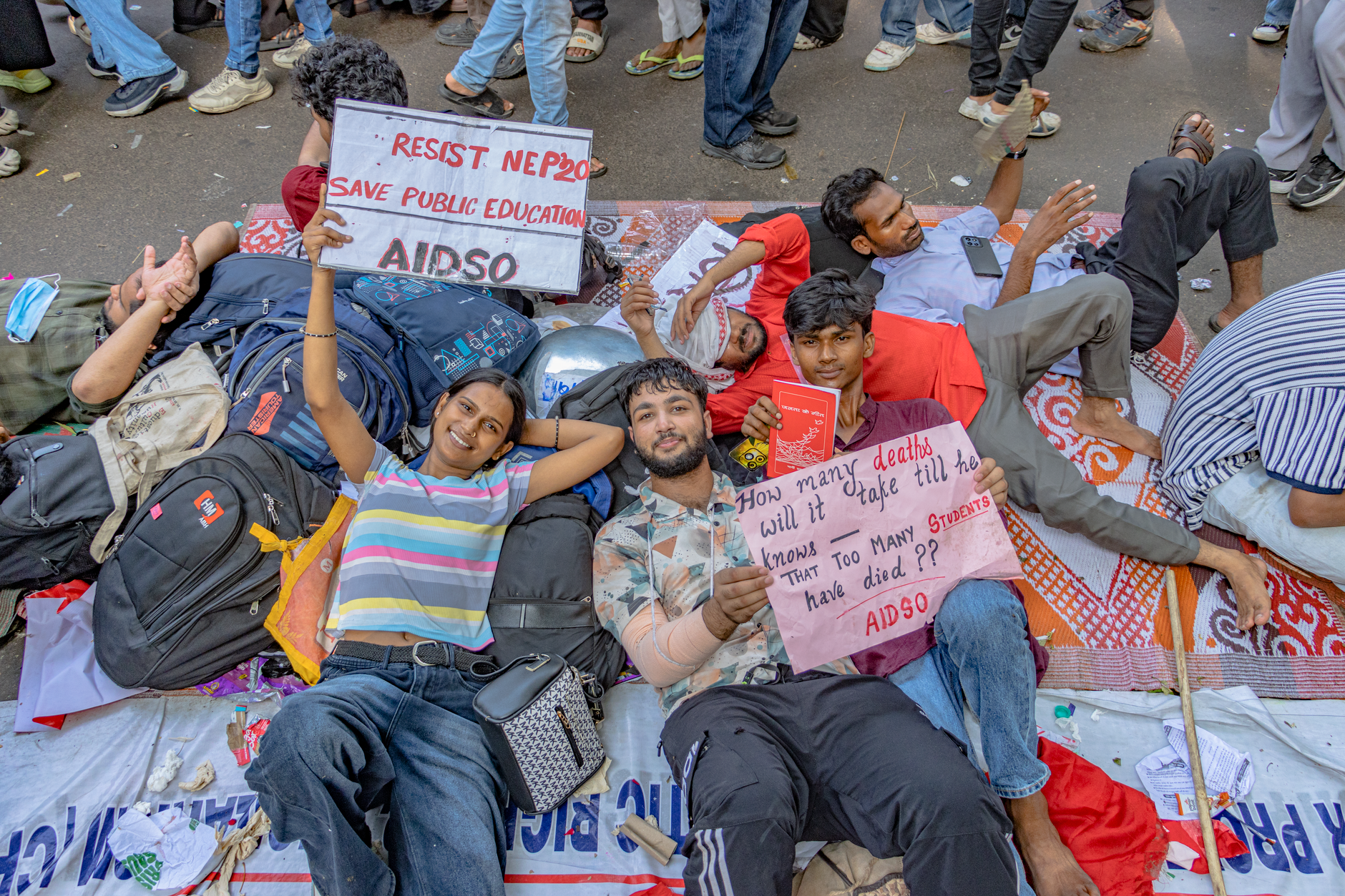
India's Generation Z has demonstrated unprecedented political power by forcing a minister's resignation through sustained protests, signalling a new era of youth activism in the country's democracy. This development represents more than just a single political victory—it reflects fundamental shifts in how young Indians engage with governance, accountability, and their own future.
What Sparked the Protests
The protests centered on issues within India's education system, a sector that directly impacts millions of young people. Student activists mobilised around concerns ranging from examination irregularities to alleged paper leaks, syllabus changes, and broader questions about educational quality and accessibility. These aren't abstract policy debates for Gen Z protesters—they're matters affecting their career prospects, financial investments in education, and future opportunities.
What made this movement particularly potent was its ability to combine traditional street protests with digital activism. Protesters used social media platforms to coordinate actions, share real-time updates, document incidents, and build nationwide solidarity. This hybrid approach allowed the movement to maintain momentum even when physical gatherings faced obstacles.
Why Gen Z Activism Differs
Today's young protesters in India bring distinct characteristics compared to previous generations of activists. Born between the late 1990s and early 2010s, they've grown up with smartphones, social media, and instant access to global information. This shapes their expectations around transparency, accountability, and responsive governance.
Several factors distinguish Gen Z activism:
- Digital fluency enabling rapid organisation and information sharing
- Lower tolerance for institutional opacity and delayed reforms
- Comfort with horizontal, leaderless movement structures
- Ability to sustain pressure through multiple channels simultaneously
- Greater willingness to publicly question authority
Unlike earlier student movements that often aligned with established political parties, many Gen Z activists maintain independence from traditional political structures, focusing on specific issues rather than broader ideological allegiances.
The Impact on Democratic Participation
The successful pressure campaign that led to a minister's resignation demonstrates that youth voices can translate into tangible political outcomes. This creates important precedents. When young people see their collective action producing results, it reinforces democratic participation and could encourage continued civic engagement.
Educational institutions serve as natural organizing hubs where students share common concerns and can mobilize quickly. Universities and colleges have historically been sites of political awakening, but today's connectivity allows coordination across institutions and even across states, creating movements with greater scale and impact.
Challenges Ahead
Despite this victory, sustaining momentum presents significant challenges. Movements built around specific grievances can struggle to maintain cohesion once immediate demands are met or partially addressed. The crucial question becomes whether this energy transforms into lasting institutional reforms or dissipates once public attention shifts.
Gen Z protesters face several obstacles:
- Translating street pressure into concrete policy changes
- Maintaining unity across diverse student populations with varying priorities
- Avoiding co-option by established political interests
- Developing leadership structures while maintaining democratic participation
- Addressing root causes rather than just removing individual officials
There's also the risk of government responses that attempt to restrict rather than engage with youth activism, which could create confrontations rather than constructive dialogue.
What Might Come Next
The minister's resignation may prove to be an opening rather than a conclusion. Student activists have tasted success and developed organisational capabilities that won't simply disappear. Likely scenarios include continued scrutiny of education policy, demands for greater student representation in decision-making, and possibly expansion into related issues affecting young people such as employment, housing costs, or climate policy.
Educational reforms could emerge as a sustained focus, with students pushing for transparency in examinations, consultation on curriculum changes, and accountability mechanisms for administrators. The movement might also inspire similar youth activism in other sectors where young people feel their interests are inadequately represented.
Broader Implications
This development sits within global patterns of increased youth activism, from climate strikes to social justice movements worldwide. India's large youth population—with a median age around 28 years—means Gen Z and younger millennials represent a massive demographic force. Their political engagement could reshape India's democratic landscape for decades.
The question "what next?" will be answered by whether institutions respond with genuine reforms or merely cosmetic changes, and whether young activists can build durable structures for ongoing participation. The minister's departure demonstrates that India's youth can exert political pressure—but transforming that into systematic change requires sustained effort, strategic thinking, and resilience against inevitable setbacks.