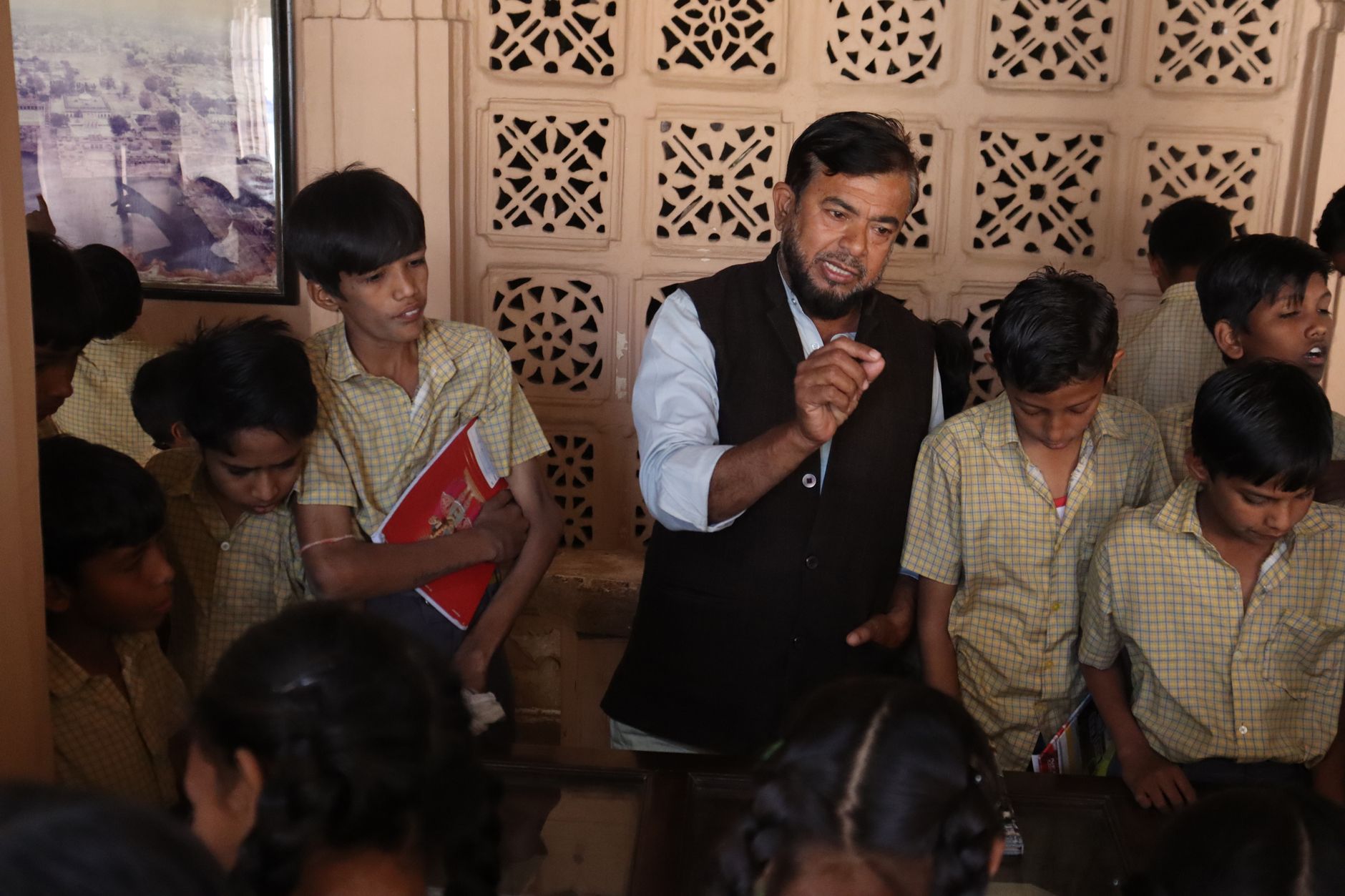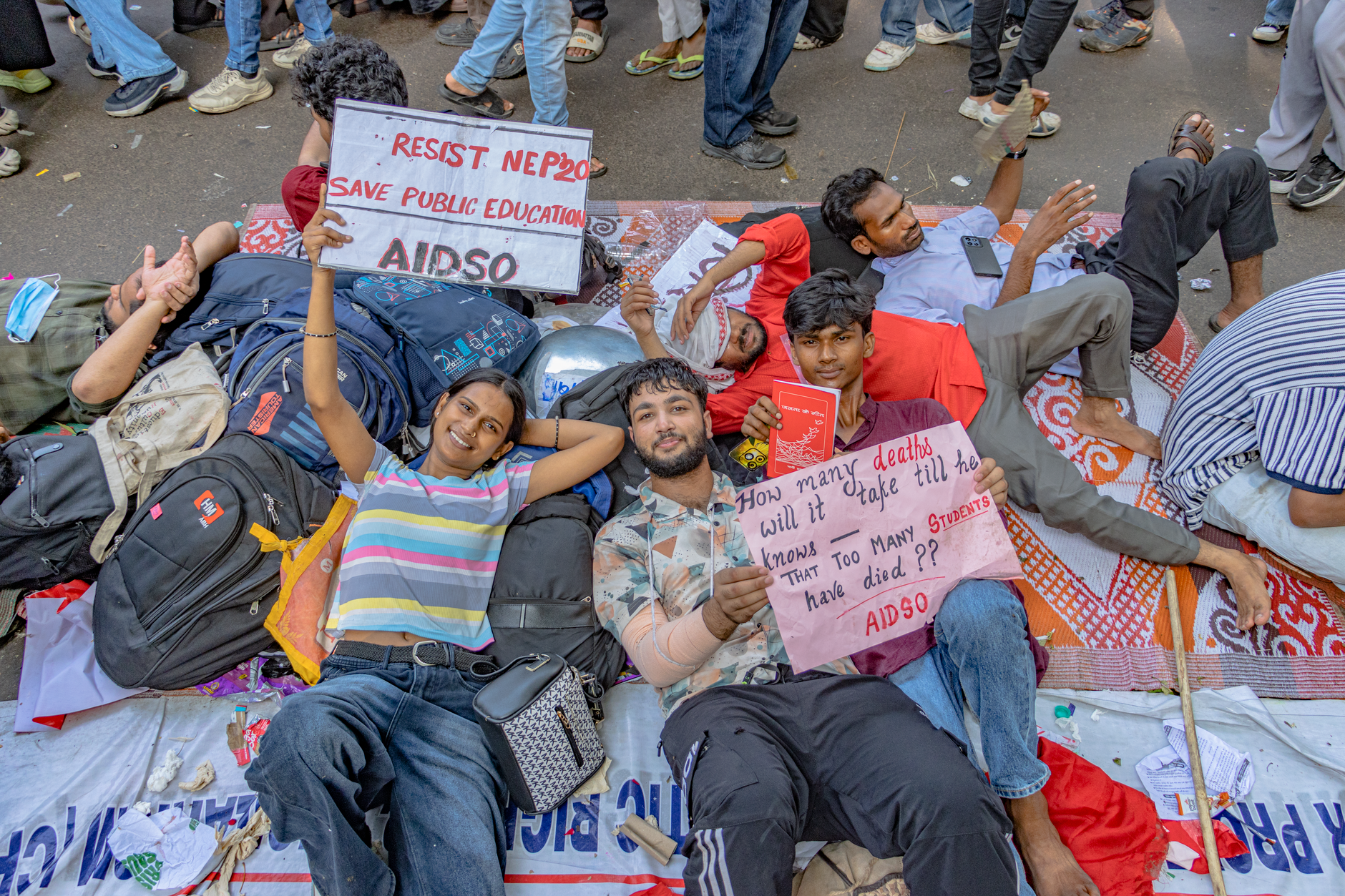
Freedom Park in Bengaluru has witnessed countless protests, dharnas, and public gatherings over the years. But something distinctly different is happening now. Generation Z—those born between 1997 and 2012—is bringing a fresh energy to this historic space, blending traditional activism with digital savvy and creating a new template for civic participation in India.
The Changing Face of Student Activism
India has a long and proud history of student-led movements. From the Quit India Movement to the anti-Emergency protests of the 1970s, young people have consistently stood at the forefront of social change. What makes the current wave unique is the approach. Gen Z protesters arrive armed not just with placards and slogans, but with smartphones, social media strategies, and a sophisticated understanding of how to amplify their voices beyond physical spaces.
At Freedom Park gatherings, you will find students discussing everything from education reform and climate change to employment opportunities and digital rights. The conversations are nuanced, well-informed, and increasingly intersectional—connecting issues of caste, gender, environment, and economic justice in ways previous generations rarely did.
Why Freedom Park Matters
Freedom Park is not just any protest venue. Designated as Bengaluru's official demonstration ground, it represents a constitutional guarantee—the right to peaceful assembly. For Gen Z, reclaiming this space is symbolic. It represents taking ownership of democratic institutions that often seem distant or irrelevant to young people.
The park has become a laboratory for new forms of engagement. Students organize teach-ins, open mics, art installations, and documentary screenings alongside traditional protest methods. This multi-modal approach reflects how Gen Z consumes and creates information—through diverse formats, platforms, and media.
Digital Natives Meet Physical Spaces
One striking aspect of Gen Z activism is the seamless integration of online and offline action. A protest at Freedom Park does not end when participants go home. It continues on Instagram stories, Twitter threads, and YouTube videos. Hashtags trend, infographics get shared, and the conversation reaches millions who could never physically attend.
This digital amplification serves multiple purposes. It documents events in real-time, making it harder for narratives to be controlled or suppressed. It educates those unfamiliar with issues. And it creates a sense of community among geographically dispersed supporters, building movements that transcend city boundaries.
Education as the Central Concern
For many young protesters, education system reform sits at the heart of their activism. Gen Z students are questioning everything from rigid examination patterns and outdated curricula to the rising costs of higher education and the disconnect between what is taught and what employers need.
They are demanding education that prepares them for a rapidly changing world—one where artificial intelligence, climate change, and global connectivity are realities, not distant concepts. They want critical thinking over rote learning, skill development over mark sheets, and education that acknowledges mental health as seriously as academic performance.
The Mental Health Dimension
Unlike previous generations who rarely discussed psychological well-being publicly, Gen Z is refreshingly open about mental health challenges. Freedom Park gatherings often include conversations about academic pressure, anxiety, and the toll of competitive education systems. This vulnerability is itself a form of activism—challenging stigma and demanding systemic support.
Challenges and Criticisms
Not everyone views these gatherings positively. Critics argue that Gen Z activism is performative, more about social media optics than substantive change. Others worry about the lack of clear leadership structures or specific policy demands in some movements.
Yet these criticisms may miss the point. Gen Z is redefining what activism looks like. Decentralized, horizontal movements reflect their distrust of traditional hierarchies. Their focus on awareness-raising and conversation-shifting may be preparatory work for longer-term policy battles.
Looking Forward
The sight of young people peacefully gathering at Freedom Park, engaged in democratic discourse, represents hope for India's future. These students are not apathetic or disengaged. They care deeply about their country and are willing to invest time and energy in shaping it.
Whether these gatherings translate into lasting institutional change remains to be seen. But the process itself—young citizens exercising their democratic rights, educating themselves and others, and building solidarity across differences—is valuable regardless of immediate outcomes.
Freedom Park has always been about freedom. Gen Z is reminding us that this freedom must be actively claimed, not passively inherited. In doing so, they are ensuring that India's democratic spaces remain vibrant, relevant, and responsive to each new generation.