Germany has emerged as the hottest destination for Indian students pursuing advanced degrees in Artificial Intelligence and related fields, with application numbers witnessing an extraordinary 370% increase over recent years. This dramatic surge reflects a convergence of factors that make Germany particularly attractive for Indian students seeking world-class education in cutting-edge technologies.
Why Germany Appeals to Indian Students
The primary draw for Indian students is Germany's public universities offering tuition-free or low-cost education, even for international students. While students pay nominal semester fees ranging from 150 to 350 euros, this represents a fraction of what they would spend in the United States, United Kingdom, or Australia. For a quality Master's degree that might cost upward of 50 lakhs in the US, German universities offer comparable education at less than one-tenth the price.
Germany's robust economy and position as Europe's technological powerhouse also play crucial roles. The country is home to major tech companies, research institutions, and a thriving startup ecosystem, particularly in cities like Berlin, Munich, and Frankfurt. This translates into abundant internship opportunities and strong employment prospects for graduates.
The AI Education Advantage
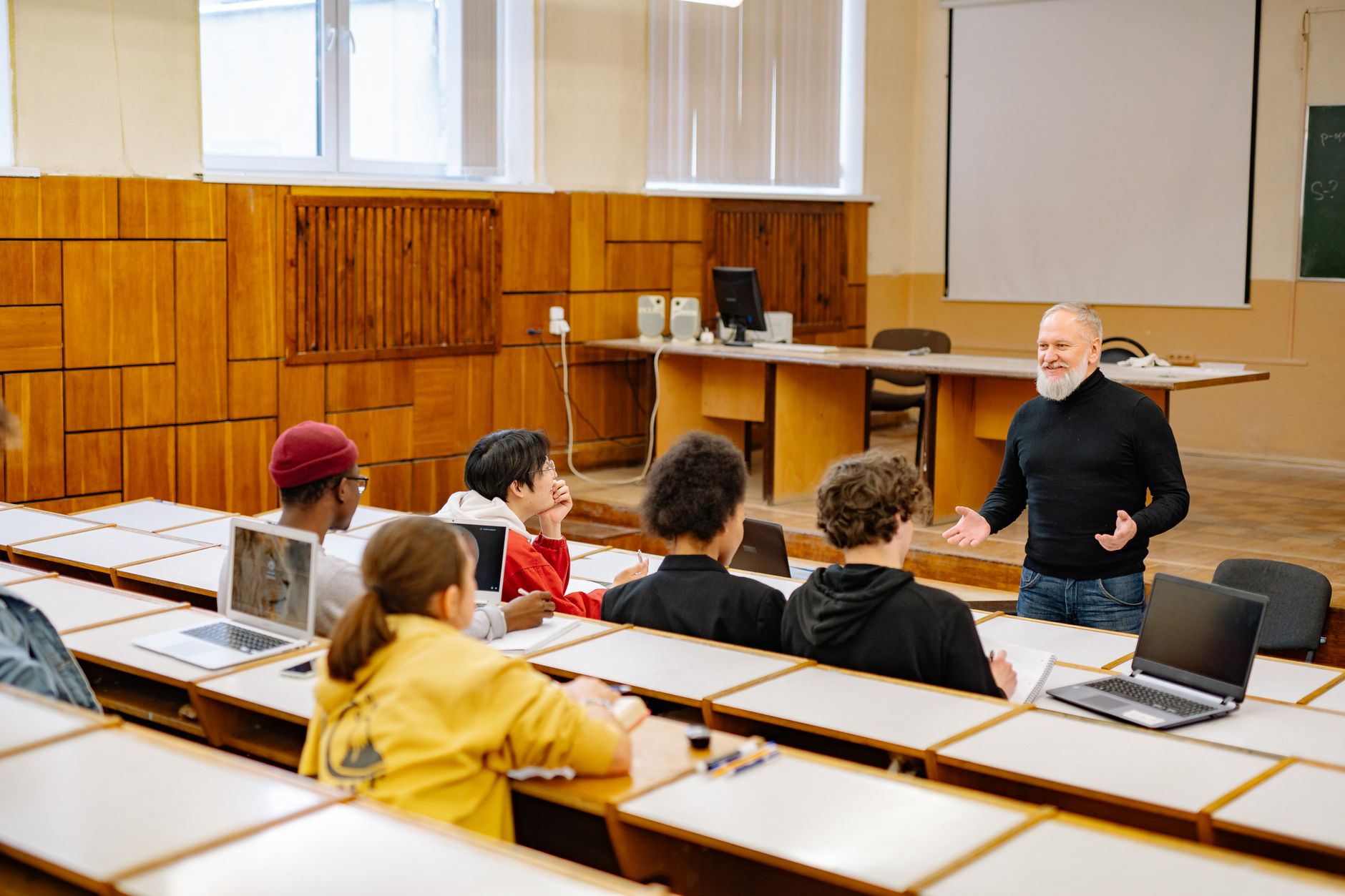
German universities have invested heavily in Artificial Intelligence, Machine Learning, and Data Science programs. Institutions like Technical University of Munich, RWTH Aachen, and the University of Stuttgart offer specialized Master's programs that combine theoretical foundations with practical applications. These programs often include collaborations with industry partners, providing students with real-world project experience.
The curriculum typically covers machine learning algorithms, neural networks, computer vision, natural language processing, and robotics. Many programs are taught entirely in English, removing language barriers that previously deterred international students. However, learning German remains advantageous for social integration and accessing certain job opportunities.
Career Prospects Fueling Demand
Upon graduation, Indian students with AI specializations find themselves in high demand. Germany faces a significant skilled worker shortage, particularly in technology sectors. The government has introduced favorable visa policies, including an 18-month job-seeking visa for graduates, allowing ample time to secure employment.
Starting salaries for AI specialists in Germany typically range from 50,000 to 70,000 euros annually, with experienced professionals earning significantly more. Major employers include automotive giants like BMW, Volkswagen, and Mercedes-Benz, which are heavily investing in autonomous vehicles and smart manufacturing. Additionally, companies like SAP, Siemens, and countless startups actively recruit AI talent.
Application Process and Requirements
Indian students typically need a Bachelor's degree in Computer Science, Engineering, Mathematics, or related fields with strong academic records. Most programs require:
- GRE scores (though increasingly optional)
- English proficiency tests like TOEFL or IELTS
- Letters of recommendation
- Statement of purpose
- Relevant programming and mathematics background
Application deadlines usually fall between December and March for programs starting in October. The competitive nature means students should apply to multiple universities to maximize admission chances.
Living Costs and Practical Considerations
While tuition is minimal, students must demonstrate financial resources to cover living expenses, typically requiring proof of approximately 11,000 euros per year in a blocked account. Monthly living costs in German cities range from 800 to 1,200 euros, depending on location and lifestyle.
Students can work part-time for up to 120 full days or 240 half days annually, helping offset expenses. Campus jobs, teaching assistantships, and research positions are common sources of income.
Challenges to Navigate
Despite the advantages, Indian students face certain challenges. The German bureaucracy can be complex, requiring patience with visa processes and residence permits. Winter weather is dramatically different from most Indian climates. Additionally, while many Germans speak English, daily life sometimes requires German language skills.
The academic culture also differs from India's, with more emphasis on independent research, critical thinking, and self-directed learning. Students must adapt to less structured guidance and more personal responsibility for their educational journey.
The Road Ahead
As India produces millions of engineering graduates annually and AI transforms industries globally, this migration toward German universities seems poised to continue. Germany benefits from young, skilled talent, while Indian students gain affordable access to world-class education and promising career paths in one of the world's strongest economies.