Guyana, a rapidly developing South American nation, has turned to India for technical assistance and expertise to strengthen its healthcare infrastructure, energy sector, and agricultural capabilities. The announcement signals growing bilateral cooperation between the two nations, particularly in areas where India has demonstrated significant progress and innovation.
India's Healthcare Expertise Attracts Global Attention
India has emerged as a preferred partner for developing nations seeking to improve their healthcare systems. The country's pharmaceutical industry, often called the "pharmacy of the world," produces approximately 60% of global vaccines and supplies affordable generic medicines to over 200 countries. India's healthcare infrastructure has expanded significantly in recent years, with initiatives like Ayushman Bharat demonstrating innovative approaches to providing universal health coverage in resource-constrained settings.
The Indian healthcare model combines traditional and modern medicine, offers cost-effective solutions, and has developed expertise in telemedicine and digital health platforms. These features make it particularly attractive to countries like Guyana that are looking to build robust healthcare systems without excessive financial burden.
Key Areas of Potential Collaboration
### Healthcare Infrastructure Development
Guyana could benefit from India's experience in establishing primary health centers, district hospitals, and specialized medical facilities. Indian expertise in training healthcare professionals, particularly in nursing and allied health services, could address workforce shortages. Additionally, India's success with health information systems and electronic medical records could help Guyana modernize its healthcare administration.
### Pharmaceutical Manufacturing and Supply Chains
Establishing local pharmaceutical manufacturing capabilities with Indian technical assistance could reduce Guyana's dependence on imported medicines. India's generic drug industry has demonstrated how quality medications can be produced affordably, making healthcare more accessible to wider populations.
### Energy Sector Transformation
India's renewable energy revolution has positioned it as a leader in solar and wind power generation. The country has achieved remarkable success in scaling up renewable energy capacity while reducing costs. Guyana, with its abundant natural resources including recently discovered oil reserves, could benefit from India's balanced approach to energy development that includes both conventional and renewable sources.
Indian companies have expertise in setting up solar parks, mini-grids for rural electrification, and hybrid power systems. This knowledge transfer could help Guyana develop sustainable energy infrastructure while ensuring energy access for remote communities.
### Agricultural Modernization
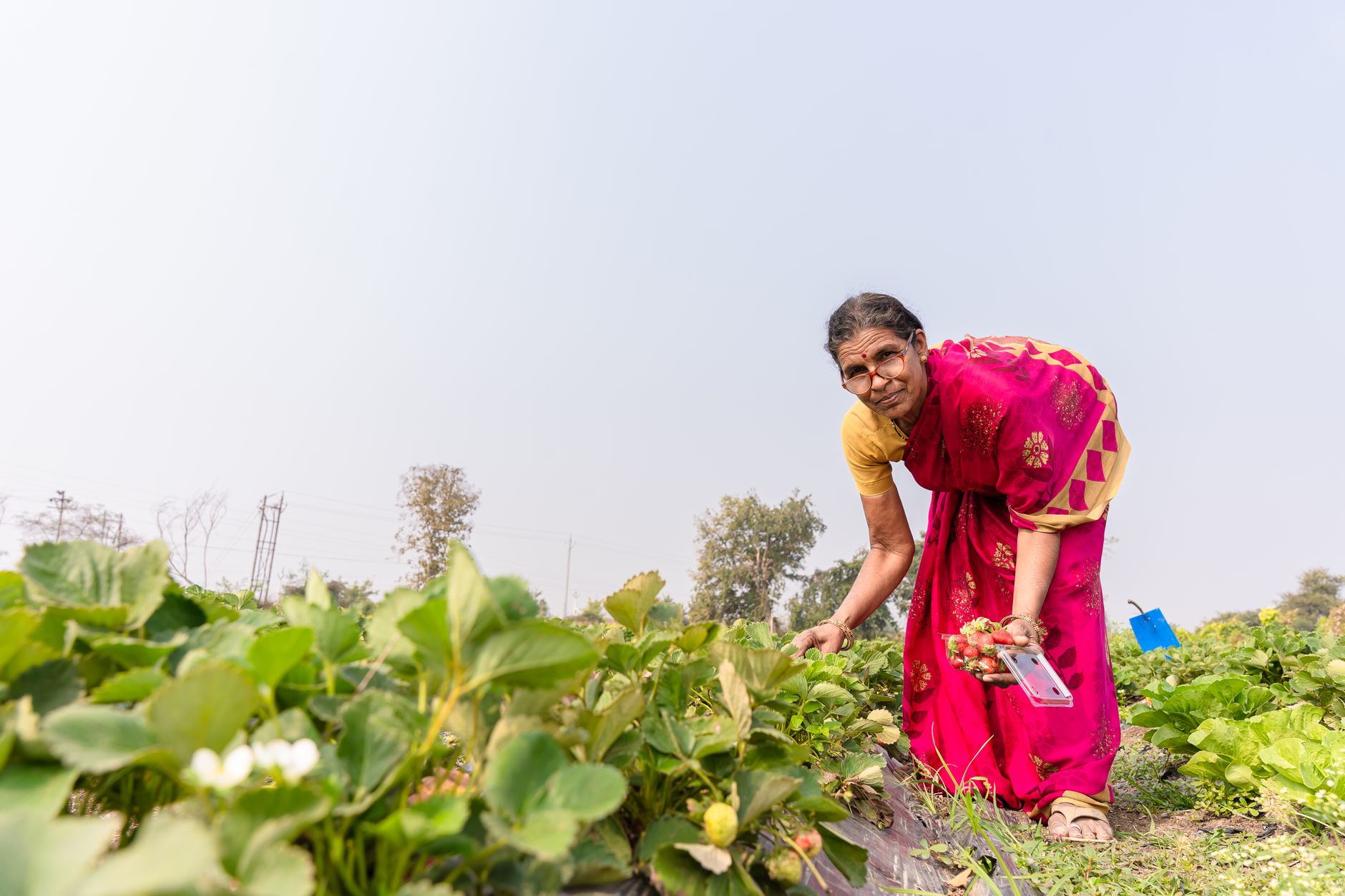
India's agricultural sector supports over 1.3 billion people and has made significant strides in crop productivity, water management, and sustainable farming practices. Guyana shares similar climatic conditions with parts of India, particularly in rice cultivation, making knowledge exchange highly relevant.
India's experience with farmer cooperatives, crop insurance schemes, agricultural research, and post-harvest management could help Guyana enhance food security and increase agricultural exports. Technologies like drip irrigation, soil health management, and integrated pest management have proven successful in India's diverse agricultural landscape.
Benefits of the India-Guyana Partnership
The collaboration offers mutual benefits. For Guyana, accessing Indian expertise provides cost-effective solutions backed by proven experience in similar developmental contexts. India's south-south cooperation approach emphasizes capacity building and technology transfer rather than dependency, enabling sustainable development.
For India, the partnership strengthens its diaspora connections, as Guyana has a significant population of Indian origin. It also creates opportunities for Indian companies to expand their global footprint and demonstrates India's growing role as a development partner for emerging economies.
Implementation Considerations
Successful collaboration will require careful planning and adaptation of Indian models to Guyana's specific context. Training programs, knowledge exchange visits, and joint research initiatives will be essential. Both nations will need to establish clear frameworks for technology transfer, investment, and regulatory cooperation.
The partnership could include capacity building through scholarships for Guyanese students to study in Indian institutions, deputation of Indian experts to Guyana, and joint ventures between Indian and Guyanese companies in healthcare, energy, and agriculture sectors.
Looking Ahead
As Guyana experiences economic growth driven by its emerging oil industry, strategic investments in healthcare, renewable energy, and agriculture will be crucial for inclusive development. India's experience in managing similar developmental challenges while maintaining fiscal discipline offers valuable lessons.
The growing partnership reflects a broader trend of south-south cooperation, where developing nations share experiences and solutions tailored to their specific contexts rather than relying solely on traditional development models from industrialized countries.