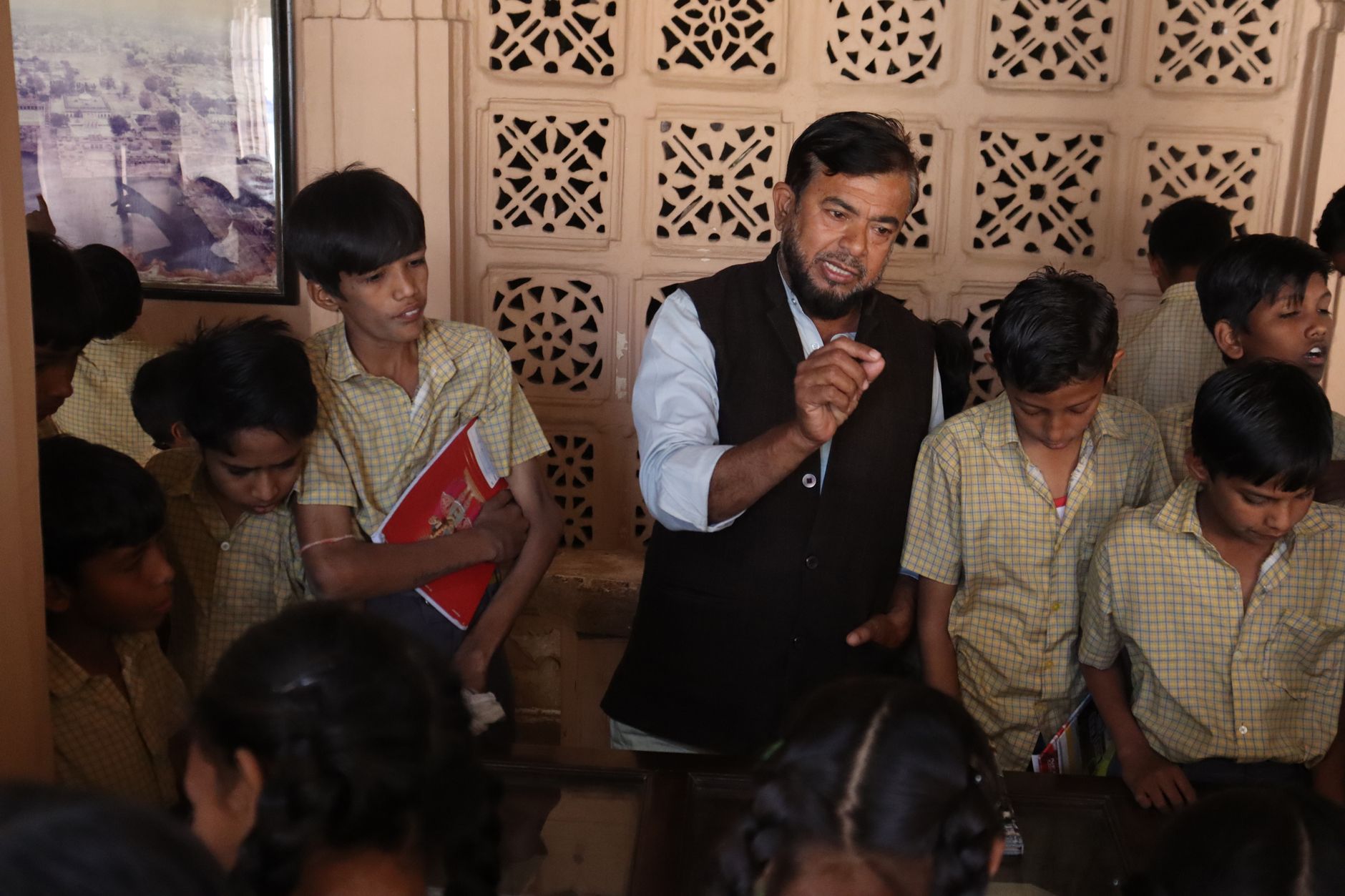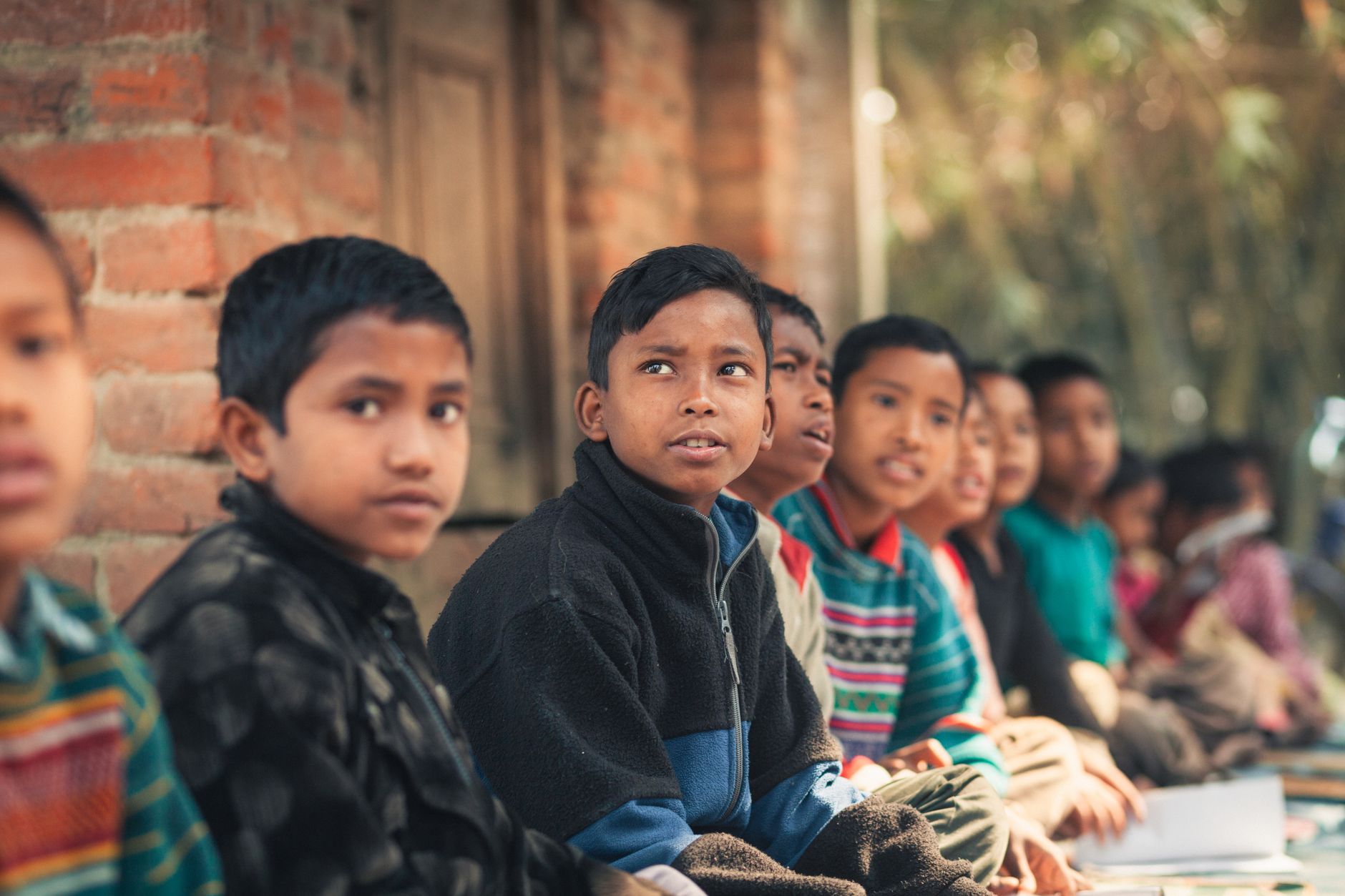
Corporate Social Responsibility has evolved from a compliance checkbox to a powerful tool for social transformation in India. Companies across sectors are increasingly channeling their CSR funds toward education, particularly in rural areas where government resources often fall short. This trend reflects a growing recognition that investing in education creates long-term value for communities and the nation.
The CSR Mandate and Education Focus
Under Section 135 of the Companies Act 2013, Indian companies meeting specific profitability thresholds must spend at least 2% of their average net profits on CSR activities. Education and skill development feature prominently among the prescribed activities, making schools a natural beneficiary of corporate funding.
Rural education faces multiple challenges that CSR initiatives can address. These include inadequate infrastructure, shortage of trained teachers, lack of learning materials, high dropout rates, and limited access to technology. Corporate involvement brings not just funding but also management expertise, accountability mechanisms, and innovative approaches that can complement government efforts.
Common CSR Education Interventions
Companies typically partner with established foundations and NGOs that have grassroots experience and local networks. These collaborations ensure that interventions are contextually appropriate and sustainable beyond the initial funding period.
Infrastructure development remains a priority area. Many rural schools operate from dilapidated buildings lacking basic amenities like proper classrooms, toilets, drinking water facilities, and electricity. CSR projects often focus on constructing or renovating school buildings, providing furniture, and creating gender-segregated sanitation facilities that particularly help retain girl students.
- Digital learning solutions including computer labs and smart classrooms
- Science and mathematics laboratories with equipment and materials
- Libraries stocked with age-appropriate books in local languages
- Sports facilities and equipment to promote holistic development
- Mid-day meal kitchen infrastructure and equipment
Teacher training represents another critical intervention area. Quality education depends heavily on teacher competence, yet rural schools often struggle with untrained or under-qualified staff. CSR programs fund capacity-building workshops covering modern pedagogy, subject knowledge enhancement, and classroom management techniques.
Technology as an Equalizer
The digital divide between urban and rural India significantly impacts educational outcomes. CSR initiatives increasingly focus on bridging this gap through technology interventions. Computer education programs, digital learning content aligned with curricula, and internet connectivity are becoming standard components of education-focused CSR projects.
During the COVID-19 pandemic, many companies rapidly deployed devices and connectivity solutions to enable remote learning in villages. While challenges remain, these efforts demonstrated how corporate resources could quickly scale educational access during crises.
Measuring Impact and Ensuring Sustainability
Effective CSR programs incorporate robust monitoring and evaluation mechanisms. Leading companies track metrics like enrollment rates, attendance patterns, learning outcomes through standardized assessments, and dropout rates to measure program effectiveness. This data-driven approach allows for course corrections and demonstrates accountability to stakeholders.
Sustainability remains a critical consideration. The most successful CSR education initiatives build local capacity rather than creating permanent dependencies. This might involve training local community members to maintain infrastructure, developing parent-teacher associations to sustain engagement, or creating resource centers that schools can access independently.
Challenges and Considerations
Despite their potential, CSR education programs face several challenges. Coordination with government schools requires navigating bureaucratic processes. Ensuring consistent quality across multiple locations demands significant management bandwidth. Some critics also argue that CSR should complement rather than substitute for adequate government education spending.
Geographic targeting sometimes creates disparities, with accessible villages receiving multiple interventions while remote areas remain neglected. Companies increasingly use need-based assessment frameworks to identify truly underserved communities.
The Broader Ecosystem Impact
Beyond immediate beneficiaries, CSR education projects can catalyze broader change. Successful models get adopted by government programs. Teacher training creates ripple effects as skilled educators influence thousands of students over their careers. Improved schools become community anchors that attract families and prevent migration.
The partnership model between corporations, NGOs, and communities represents a collaborative approach to addressing India's education challenges. As companies refine their CSR strategies and measure long-term outcomes, these initiatives will likely play an increasingly important role in achieving universal quality education, particularly in rural areas where needs remain most acute.