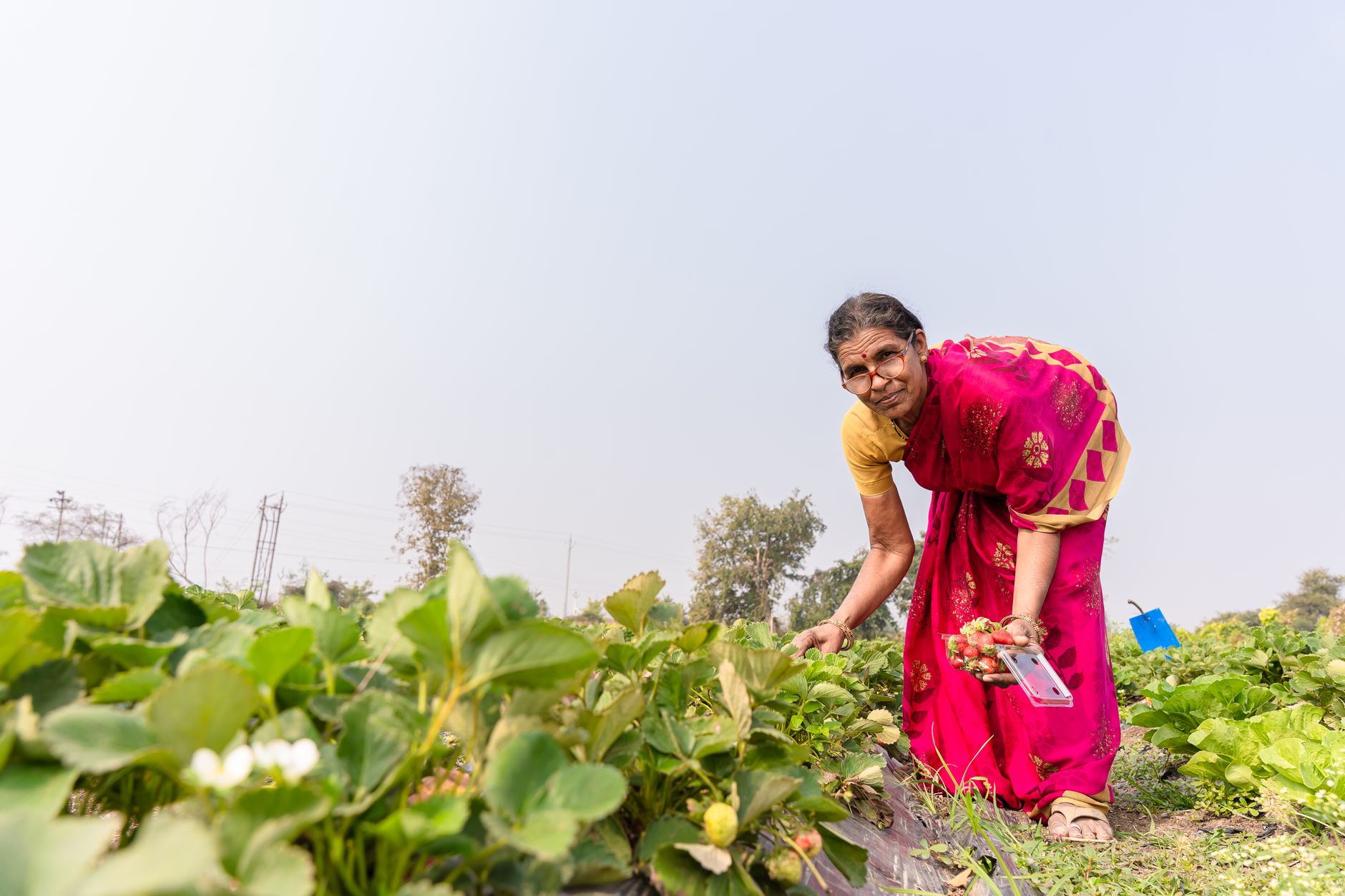
India's agricultural sector supports nearly half the country's population, but the foundation of this vast enterprise—the soil—has been quietly deteriorating. Decades of intensive farming, excessive chemical use, and erosion have stripped essential nutrients from farmland across the country. Recognizing this crisis, India has embarked on ambitious initiatives combining cutting-edge technology with sustainable practices to restore soil vitality and ensure long-term food security.
The Silent Crisis Beneath Our Feet
Soil health affects everything from crop yields to nutritional quality of food. When soil loses its organic matter and microbial diversity, farmers must use increasing amounts of fertilizers to maintain productivity, creating a vicious cycle. Studies indicate that significant portions of Indian agricultural land now suffer from nutrient deficiencies, particularly in nitrogen, phosphorus, and micronutrients like zinc and iron.
The consequences extend beyond the farm. Degraded soil contributes to water pollution through chemical runoff, reduces the land's ability to sequester carbon, and makes crops more vulnerable to pests and climate stress. For a country where agriculture remains central to both economy and employment, soil degradation poses risks to food security and rural livelihoods.
Technology Transforming Soil Management
India's approach to soil restoration heavily leverages technology. The Soil Health Card scheme, launched nationally in 2015, represents one of the most extensive soil-testing initiatives globally. This program provides farmers with detailed reports about their soil's nutrient status, moisture levels, and pH balance, along with customized fertilizer recommendations.
Mobile applications and digital platforms now enable farmers to access soil health information, expert advice, and best practices directly on their smartphones. Some states have deployed sensor-based technologies that provide real-time data on soil conditions, helping farmers make informed decisions about irrigation and nutrient application.
Remote sensing and satellite imagery are increasingly used to map soil conditions across large areas, identifying problem zones and tracking improvements over time. This data-driven approach allows for precision agriculture, where inputs are applied based on specific soil needs rather than blanket applications.
Scientific Interventions and Organic Alternatives
Research institutions across India are developing bio-fertilizers and organic amendments that replenish soil naturally. These include nitrogen-fixing bacteria, phosphate-solubilizing microorganisms, and mycorrhizal fungi that enhance nutrient availability without chemical inputs.
Scientists are also promoting crop rotation and intercropping systems that naturally restore soil health. Leguminous crops, for instance, fix atmospheric nitrogen in the soil, reducing dependence on synthetic fertilizers. Cover crops and green manures add organic matter, improve soil structure, and prevent erosion.
The revival of traditional practices like vermicomposting and farmyard manure application is being encouraged alongside modern techniques. These time-tested methods add organic carbon to soil, improve water retention, and support beneficial microbial communities.
Policy Support and Farmer Education
Government schemes increasingly link subsidies and support to soil-friendly practices. Programs promoting organic farming, natural farming methods, and reduced chemical use are being implemented across various states. Financial incentives encourage farmers to adopt practices like mulching, minimum tillage, and integrated nutrient management.
Training programs and farmer field schools educate agricultural communities about soil health importance and sustainable practices. Extension workers and agricultural universities play crucial roles in demonstrating techniques and building awareness at the grassroots level.
Challenges in Implementation
Despite progress, challenges remain. Soil testing infrastructure needs expansion to reach all farmers regularly. Many smallholder farmers lack resources to implement recommended practices immediately. The transition from chemical-intensive to sustainable farming requires initial investment and patience, as soil recovery takes time.
Cultural resistance to changing established practices and the immediate productivity concerns often overshadow long-term soil health considerations. Additionally, fragmented landholdings make some sustainable practices difficult to implement effectively.
The Path Forward
India's multi-pronged approach to soil health combines the best of traditional wisdom and modern innovation. Success requires sustained commitment from policymakers, continued research and development, adequate funding for soil testing and farmer support, and most importantly, widespread farmer participation.
As climate change adds new pressures on agriculture, healthy soil becomes even more critical. Soil rich in organic matter retains water better, helping crops withstand droughts. It also sequesters carbon, contributing to climate mitigation efforts.
The journey toward soil restoration is lengthy, but the initiatives underway demonstrate India's recognition that securing the future of farming means first securing the health of soil. By strengthening this fundamental resource through science, sustainability, and technology, India is investing not just in agriculture, but in the wellbeing of future generations.