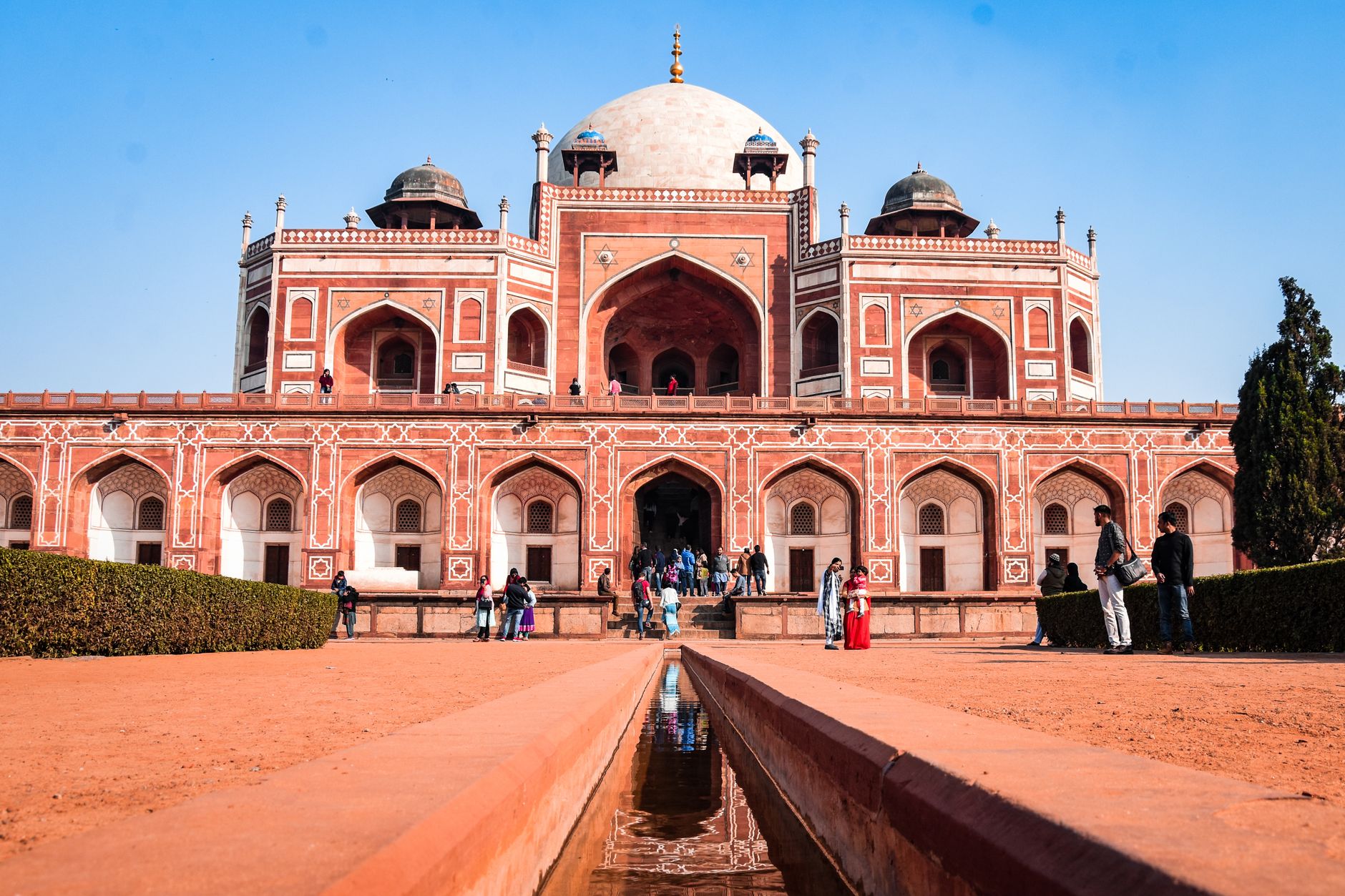
India stands at a pivotal moment where tourism could become one of its most powerful economic engines. With diverse landscapes ranging from Himalayan peaks to tropical beaches, ancient monuments to modern cities, and a rich tapestry of cultures, India possesses natural advantages that few countries can match. Yet, the sector remains significantly underutilized compared to its potential.
The Current State of Indian Tourism
India welcomed approximately 10 million international tourists in 2019, before the pandemic disrupted global travel. While domestic tourism has always been robust with over 2 billion trips annually, the country captures only about 1.2 percent of global tourist arrivals despite being home to 17 percent of the world's population. This gap represents both a challenge and an extraordinary opportunity.
The tourism and hospitality sector contributes roughly 7 percent to India's GDP and employs over 40 million people directly and indirectly. These numbers, while substantial, pale in comparison to what experts believe is achievable with the right policies and infrastructure investments.
Economic Multiplier Effects
Tourism generates economic benefits that ripple through multiple sectors. When tourists visit India, they spend money on accommodation, food, transportation, shopping, and entertainment. This spending creates demand across the supply chain, from farmers producing food for hotels to artisans crafting souvenirs to technology companies providing booking platforms.
The sector is particularly valuable for employment generation. Tourism creates jobs across skill levels, from entry-level positions in hospitality to highly skilled roles in hotel management and tour operations. Importantly, tourism provides employment opportunities in smaller towns and rural areas where other industries may not be viable, helping to distribute economic growth more evenly across the country.
Key Challenges to Address
Despite its potential, Indian tourism faces several obstacles that limit its growth trajectory.
Infrastructure remains a significant concern. Many tourist destinations lack adequate airport connectivity, quality roads, clean public facilities, and reliable last-mile transportation. International visitors often cite concerns about cleanliness, safety, and ease of travel as deterrents.
The visa process, though simplified in recent years with e-visa facilities, still requires further streamlining to compete with destinations like Thailand or Singapore where visa-on-arrival policies attract spontaneous travelers.
Strategic Opportunities for Growth
India can leverage several strategies to unlock tourism's potential and reach new milestones.
- Developing niche tourism segments including wellness tourism, adventure tourism, spiritual tourism, and heritage circuits that align with India's unique strengths
- Creating world-class tourism infrastructure in tier-2 and tier-3 cities to distribute visitor flows beyond overcrowded hotspots like Goa and Rajasthan
- Implementing sustainable tourism practices that preserve natural and cultural heritage while generating local economic benefits
- Enhancing digital infrastructure for seamless travel experiences from booking to departure
- Training and upskilling the workforce to deliver international standards of hospitality
The Soft Power Dimension
Beyond economics, tourism serves as India's ambassador to the world. Visitors who experience Indian culture, cuisine, and hospitality firsthand often become advocates for deeper engagement with the country. This soft power translates into stronger diplomatic relationships, increased foreign investment, and enhanced cultural exchange.
International yoga enthusiasts visiting Rishikesh, food lovers exploring Kerala's culinary traditions, or history buffs marveling at Hampi's ruins all return home with stories that shape global perceptions of India. In an interconnected world, these cultural connections hold strategic value.
The Path Forward
Realizing tourism's potential requires coordinated action across central and state governments, private sector stakeholders, and local communities. Public investment in infrastructure must be paired with policies that encourage private sector participation and innovation.
States that have prioritized tourism development offer valuable lessons. Kerala's "God's Own Country" campaign, Rajasthan's heritage circuit development, and Gujarat's tourism infrastructure investments demonstrate how strategic focus can transform regional economies.
The coming decade presents a window of opportunity. As global travel patterns shift and travelers seek authentic, diverse experiences, India is well-positioned to capture significant market share if it acts decisively on infrastructure, policy reforms, and sustainable development practices.
Tourism is not merely about attracting more visitors but about creating an ecosystem where travel generates prosperity, preserves culture, and positions India as a must-visit destination on every traveler's map.