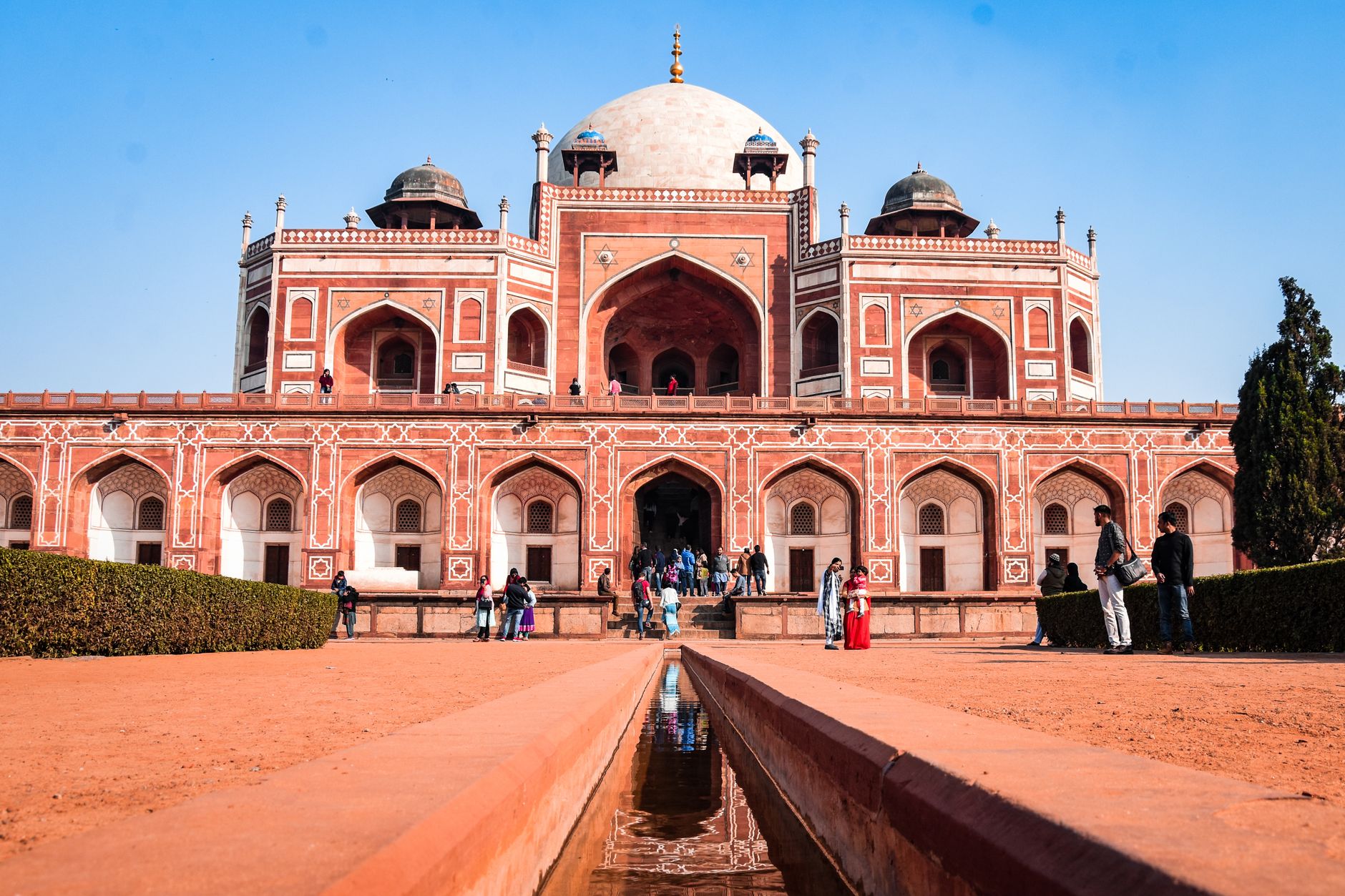
The global tourism industry has been working tirelessly to regain its pre-pandemic momentum, and travel expos have emerged as critical platforms in this recovery journey. India, with its vast tourism potential and growing middle class, has become a focal point for such events, with organizers and industry stakeholders placing significant hopes on these exhibitions to revitalize international and domestic travel.
The Role of Travel Expos in Industry Recovery
Travel expos serve as vital meeting grounds where destination marketers, tour operators, hotels, airlines, and travel agencies converge to forge partnerships and showcase offerings. These events provide immediate value by creating networking opportunities that might otherwise take months to arrange. For destinations recovering from the tourism drought caused by pandemic-related travel restrictions, these expos offer concentrated access to potential markets and travel buyers.
India's tourism sector, which contributes significantly to the country's GDP and employs millions, has been particularly eager to leverage such platforms. The country's diverse offerings—from Himalayan adventures to tropical beaches, historical monuments to spiritual retreats—require effective marketing channels, and travel expos provide precisely that opportunity.
Why India Matters for Global Tourism
India represents a dual opportunity in the tourism ecosystem. As a destination, it offers unparalleled cultural richness and geographical diversity that appeals to international travelers. As a source market, India's growing economy and expanding middle class make it one of the world's fastest-growing outbound tourism markets.
Before the pandemic, Indian travelers were increasingly venturing abroad, with Southeast Asia, Europe, and the Middle East being particularly popular destinations. Travel expos targeting Indian audiences help foreign destinations tap into this lucrative market while simultaneously promoting India as a destination to international buyers.
Connecting Southeast Asia and South Asia
Events that focus on connecting Indian travelers with Southeast Asian destinations hold particular promise. Geographic proximity, relatively affordable travel costs, and visa-friendly policies have made countries like Cambodia, Thailand, Vietnam, and Singapore popular with Indian tourists. Travel expos facilitate these connections by bringing together stakeholders from both regions.
For Southeast Asian nations still recovering from tourism losses, the Indian market represents a significant opportunity. Indian travelers typically seek value-for-money experiences, cultural exploration, and family-friendly destinations—attributes that many Southeast Asian countries can readily provide.
Benefits Beyond Immediate Bookings
The impact of travel expos extends well beyond immediate sales or bookings generated at the event. These gatherings serve multiple purposes:
- Building long-term business relationships between suppliers and distributors across borders
- Educating travel agents about new destinations, products, and experiences they can sell to clients
- Creating media buzz and public awareness about destinations and travel trends
- Providing market intelligence and insights into traveler preferences and emerging patterns
- Launching new tourism products, packages, or promotional campaigns to targeted audiences
- Strengthening diplomatic and economic ties between participating countries
Digital Integration and Hybrid Models
Modern travel expos have evolved to incorporate digital elements, creating hybrid experiences that extend their reach beyond physical attendees. Virtual exhibition components allow participants who cannot travel to still engage with the event, expanding the potential market reach significantly.
This hybrid approach has become particularly valuable in the post-pandemic era, where some travel restrictions or health concerns may still impact attendance. Digital platforms enable smaller tourism businesses with limited budgets to participate without incurring significant travel and accommodation expenses.
Challenges and Opportunities Ahead
While travel expos offer tremendous potential, the tourism industry faces ongoing challenges. Economic uncertainties, fluctuating fuel prices, and environmental concerns all influence travel decisions. However, the fundamental human desire to explore, experience new cultures, and take breaks from routine remains strong.
For India specifically, infrastructure development, improved connectivity to secondary destinations, and streamlined visa processes could further enhance the benefits derived from travel expo participation. As Indian cities become increasingly connected globally, the potential for both inbound and outbound tourism grows exponentially.
The Path Forward
Travel expos focused on the Indian market or featuring India prominently represent strategic investments in tourism recovery. They create the connections, awareness, and business deals necessary to rebuild traveler confidence and restart the flow of tourists across borders.
As the global tourism industry continues its recovery trajectory, these events will likely play an increasingly important role in shaping travel patterns, introducing new destinations to eager travelers, and ensuring that the economic benefits of tourism reach communities worldwide.