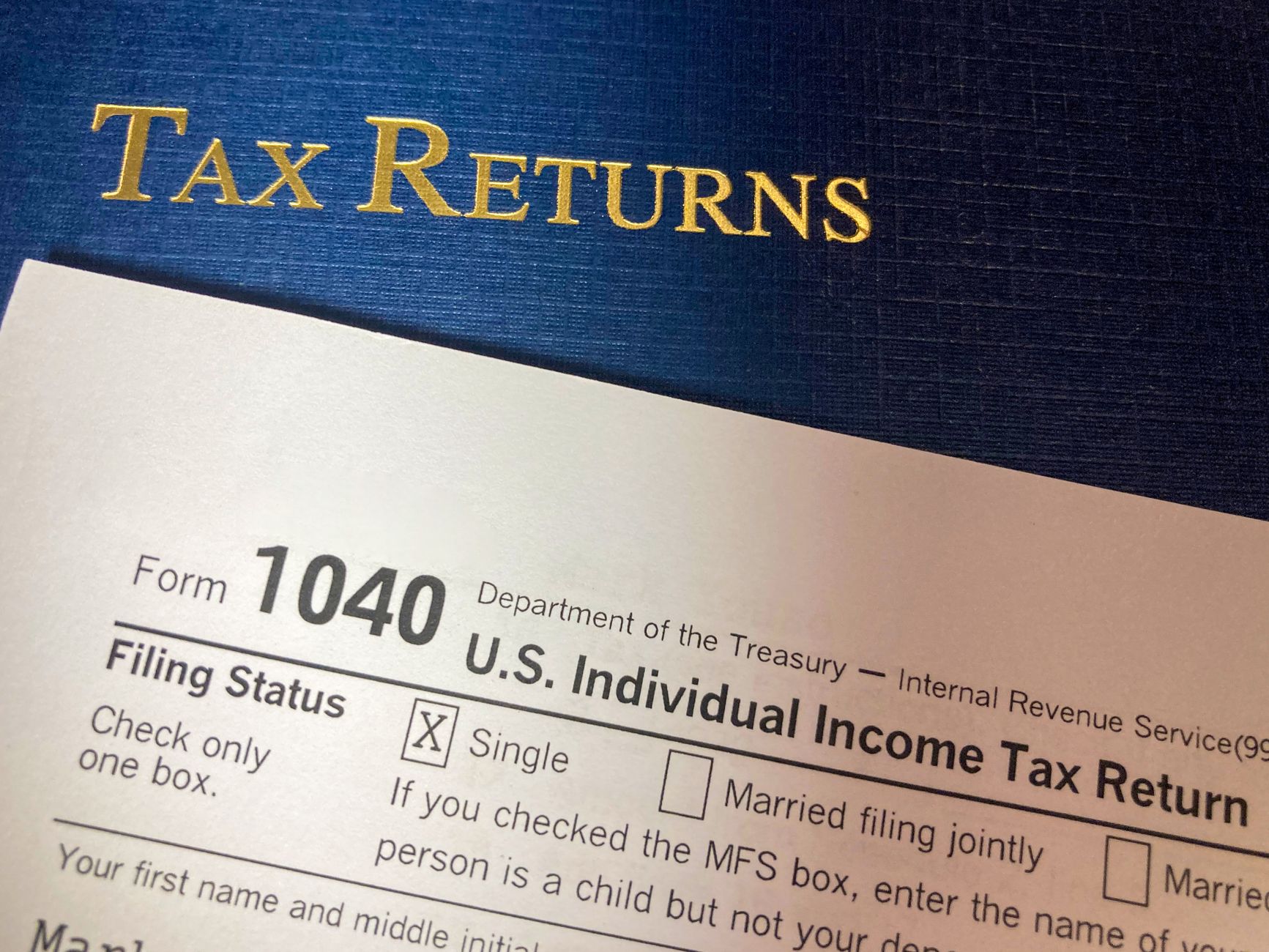
The Income Tax Department of India is currently functioning with a significant workforce deficit, with approximately 26,997 positions remaining vacant across various levels. This substantial gap in human resources has raised concerns about the department's capacity to effectively handle tax administration, enforcement activities, and taxpayer services in the world's most populous nation.
Understanding the Scale of the Shortage
The staff shortage affects multiple categories of positions within the Income Tax Department. This includes senior officers responsible for policy implementation and complex case assessments, mid-level officers who handle routine tax assessments and audits, as well as support staff who manage administrative and clerical functions. The vacant positions represent a considerable percentage of the department's sanctioned strength, potentially hampering its day-to-day operations.
This shortfall comes at a time when India's formal economy has been expanding, with an increasing number of individuals and businesses entering the tax net. The introduction of faceless assessment and digital initiatives has modernized tax administration to some extent, but human resources remain crucial for handling complex cases, conducting investigations, and ensuring compliance.
Impact on Tax Administration
The shortage of personnel has several implications for tax administration in India. Processing times for tax returns, refunds, and assessments may experience delays, affecting millions of taxpayers across the country. The department's ability to conduct thorough audits and investigations into tax evasion cases could be compromised, potentially leading to revenue leakage for the government.
Furthermore, taxpayer services, including grievance redressal and assistance with compliance issues, may suffer due to inadequate staffing. This can create frustration among honest taxpayers who seek timely resolution of their queries and concerns. The workload on existing staff also increases disproportionately, which can affect morale and efficiency.
Recruitment Challenges
Several factors contribute to the persistent vacancy problem in the Income Tax Department. Government recruitment processes in India are typically lengthy and involve multiple stages of examinations, interviews, and verification procedures. The time gap between identifying vacancies and actually filling them can stretch over months or even years.
Budget constraints and freezes on recruitment also play a role in maintaining these vacancies. Additionally, the specialized nature of tax administration requires candidates with specific educational backgrounds and aptitudes, which can limit the pool of suitable applicants.
Retention of trained staff presents another challenge, as experienced officers sometimes move to other government departments or exit for private sector opportunities that may offer better compensation and work-life balance.
Technology as a Partial Solution
The Income Tax Department has been leveraging technology to bridge some gaps created by staff shortages. The implementation of faceless assessment schemes has reduced the need for physical interactions and streamlined certain processes. Artificial intelligence and data analytics are being deployed to identify high-risk cases and patterns of tax evasion, allowing the available workforce to focus on priority areas.
Online platforms for filing returns, making payments, and tracking refunds have reduced the burden on front-line staff. However, technology cannot completely substitute for human judgment, especially in complex assessment cases, dispute resolution, and enforcement actions.
The Way Forward
Addressing this staff shortage requires a multi-pronged approach. The government needs to expedite recruitment processes and conduct regular exercises to fill vacancies promptly. Improving working conditions, offering competitive compensation packages, and providing career growth opportunities can help attract and retain talented professionals.
Investing in training and upskilling existing staff can improve productivity and enable them to handle more sophisticated challenges. Additionally, continued digital transformation should be pursued to automate routine tasks and free up human resources for high-value activities.
The government may also need to revisit the organizational structure and determine optimal staffing levels based on current workload patterns and technological capabilities. Periodic assessments of manpower requirements can help ensure that sanctioned positions align with actual needs.
The staff shortage in the Income Tax Department represents a significant administrative challenge that requires urgent attention. While technology has provided some relief, adequate human resources remain essential for effective tax administration, revenue collection, and maintaining taxpayer confidence in the system.
This article is for general informational purposes only and does not constitute professional advice. Readers should consult official government notifications and qualified professionals for specific guidance related to tax matters.