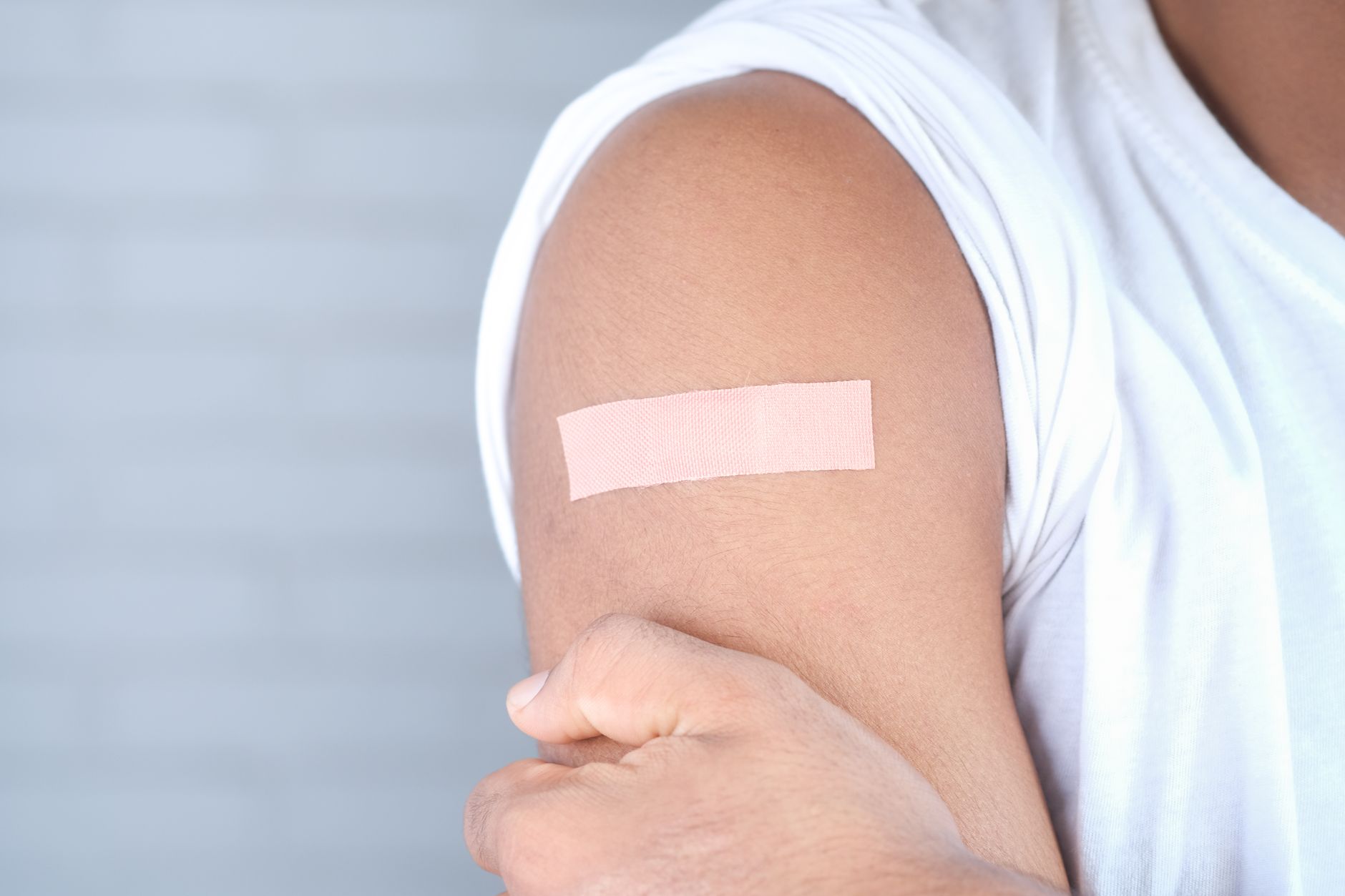
India has reached a significant milestone in its fight against dengue fever with the approval of Qdenga, manufactured by Japanese pharmaceutical company Takeda. The Drug Controller General of India (DCGI) has cleared this tetravalent vaccine for use in individuals between 4 and 60 years of age, marking a crucial development in public health protection against one of the country's most prevalent mosquito-borne diseases.
Understanding Dengue and Its Impact in India
Dengue fever is a viral infection transmitted by Aedes mosquitoes, particularly Aedes aegypti. The disease has become increasingly common across India, especially during and after the monsoon season when mosquito breeding peaks. According to government data, India reports hundreds of thousands of dengue cases annually, with numbers fluctuating based on weather patterns and public health interventions.
The disease causes symptoms ranging from high fever, severe headache, and joint pain to more serious complications like dengue hemorrhagic fever and dengue shock syndrome, which can be life-threatening. Children and elderly individuals are particularly vulnerable to severe forms of the disease.
What Makes Qdenga Different
Qdenga is a live-attenuated tetravalent vaccine, meaning it provides protection against all four dengue virus serotypes (DENV-1, DENV-2, DENV-3, and DENV-4). This comprehensive coverage is crucial because infection with one serotype does not provide immunity against others, and subsequent infections with different serotypes can lead to more severe disease.
The vaccine is administered in two doses, given three months apart. Clinical trials have demonstrated its efficacy in reducing hospitalization and severe dengue cases across diverse populations in dengue-endemic regions.
Who Should Consider the Vaccine
The approval covers a wide age range from 4 to 60 years, encompassing children, adolescents, and adults. This makes it particularly valuable for:
- School-going children who spend time in potentially mosquito-prone environments
- Working adults in outdoor occupations
- Residents of dengue-endemic areas
- Individuals with previous dengue infections seeking protection against other serotypes
The Significance for India's Public Health
India's approval of Qdenga represents more than just another vaccine entering the market. It provides a new tool in the comprehensive approach to dengue control, which has traditionally relied heavily on mosquito control measures, public awareness campaigns, and early detection and treatment.
The vaccine's approval comes at a time when climate change and urbanization are creating more favorable conditions for mosquito breeding, potentially expanding dengue's geographical footprint within the country. Urban and peri-urban areas with inadequate water storage systems and waste management often see the highest dengue incidence.
Complementing Existing Prevention Measures
While the vaccine represents significant progress, health experts emphasize that it should complement, not replace, existing dengue prevention strategies. Mosquito control remains fundamental to reducing dengue transmission. This includes:
- Eliminating standing water where mosquitoes breed
- Using mosquito repellents and protective clothing
- Installing window screens and using bed nets
- Community-level vector control programs
- Early detection and proper medical care for suspected cases
Availability and Accessibility Questions
Following regulatory approval, the next critical questions concern the vaccine's availability, pricing, and distribution strategy. Whether Qdenga will be included in India's Universal Immunization Programme or remain available only through private healthcare channels will significantly impact its accessibility to different population segments.
The vaccine's pricing will be a crucial factor determining its uptake, particularly in a country with significant economic diversity. Public health advocates often emphasize the importance of making such preventive tools accessible to vulnerable populations who face the highest disease burden.
Global Context
India joins several other countries in approving Qdenga, which has already received authorization in the European Union, Indonesia, Thailand, and Brazil, among others. This global experience provides valuable data on the vaccine's real-world effectiveness and safety profile beyond controlled clinical trials.
The approval also positions India as an important market for dengue prevention, potentially encouraging further research and development in vaccines and treatments for tropical diseases that disproportionately affect developing nations.
Looking Ahead
The introduction of India's first dengue vaccine marks a new chapter in the country's battle against this debilitating disease. However, successful dengue control will require a multi-pronged approach combining vaccination with robust vector control programs, improved urban planning, climate-resilient public health strategies, and continued investment in healthcare infrastructure.
This article is for general informational purposes only and does not constitute medical advice. Individuals should consult qualified healthcare professionals regarding vaccination decisions based on their personal health status and risk factors.