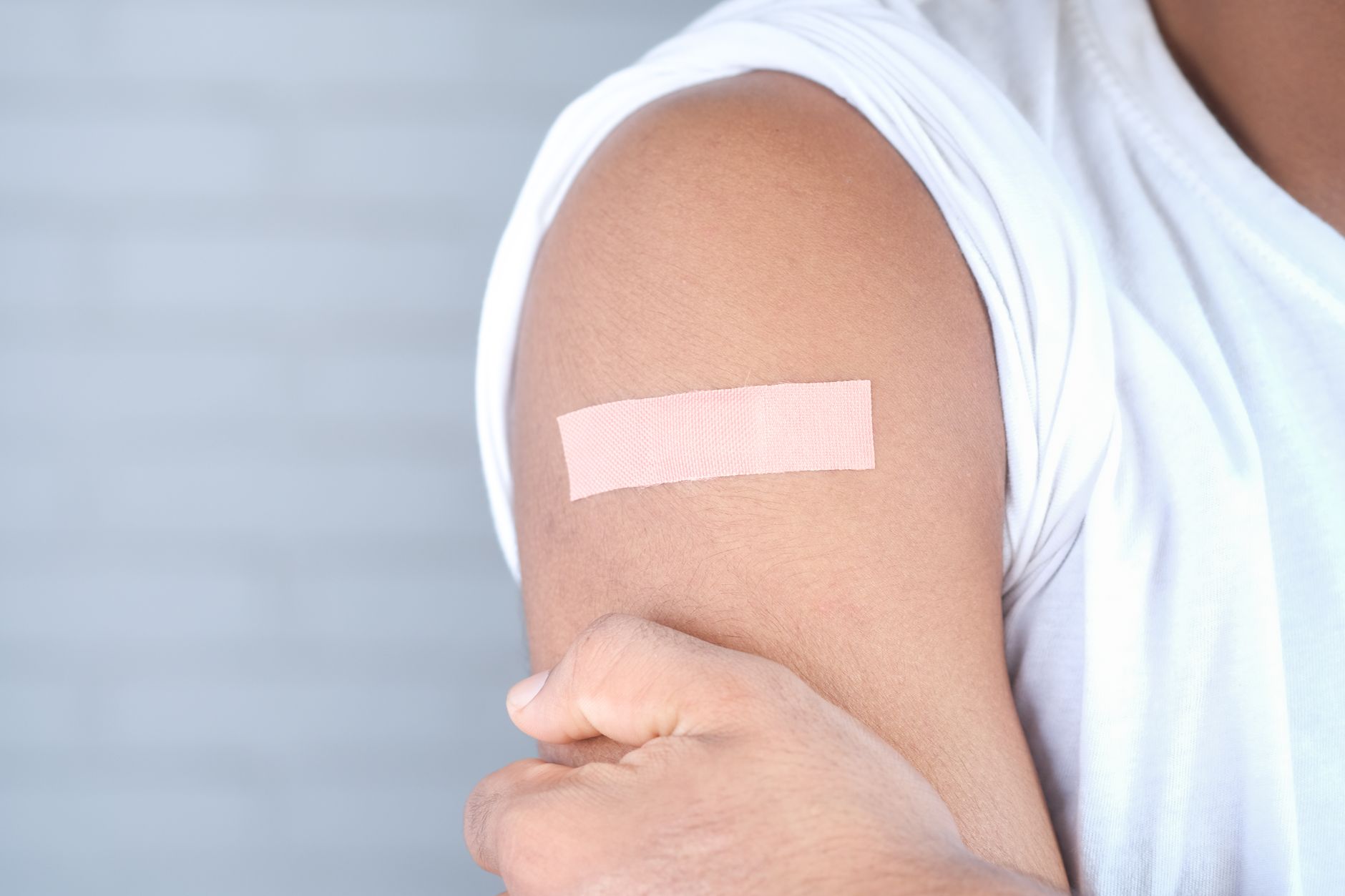
India has taken a major step forward in public health by approving QDENGA, the country's first dengue vaccine. This development comes as a significant breakthrough in combating dengue fever, a mosquito-borne viral infection that has long been a serious public health concern across the nation. The vaccine has received regulatory approval for use in individuals aged 4 to 60 years, covering a broad demographic that includes both children and adults most vulnerable to severe dengue complications.
Understanding Dengue and Its Impact in India
Dengue fever is transmitted primarily by the Aedes aegypti mosquito and causes symptoms ranging from high fever and severe headache to joint pain, rash, and mild bleeding. While many cases are mild, dengue can progress to severe forms like dengue hemorrhagic fever or dengue shock syndrome, which can be life-threatening.
India records hundreds of thousands of dengue cases annually, with numbers typically surging during and after monsoon seasons when mosquito breeding intensifies. Urban areas with high population density and inadequate water drainage systems are particularly vulnerable. The disease places a substantial burden on healthcare infrastructure and causes economic losses through medical expenses and lost productivity.
What Makes QDENGA Different
QDENGA is a live-attenuated vaccine, meaning it contains weakened forms of the dengue virus that cannot cause disease but can trigger an immune response. What sets this vaccine apart is its ability to protect against all four dengue virus serotypes (DENV-1, DENV-2, DENV-3, and DENV-4). This comprehensive coverage is crucial because infection with one serotype does not provide immunity against the others, and subsequent infections with different serotypes can lead to more severe disease.
The vaccine is administered as a two-dose regimen, with the second dose given three months after the first. This schedule makes it relatively convenient compared to vaccines requiring multiple boosters over extended periods.
Who Should Consider Getting Vaccinated
The approval for ages 4 to 60 years reflects clinical trial data showing safety and efficacy in this age range. Children are particularly vulnerable to severe dengue complications, making them a priority group. Adults up to 60 years who live in or travel frequently to dengue-endemic areas may also benefit significantly from vaccination.
Healthcare authorities will likely prioritize vaccination in high-burden areas where dengue transmission is persistent. Individuals with previous dengue infections may also be candidates, as the vaccine can help prevent subsequent infections with different serotypes.
The Road Ahead for Dengue Prevention
While the vaccine approval is encouraging news, it should be viewed as one component of a comprehensive dengue prevention strategy. Vector control measures remain essential, including eliminating mosquito breeding sites, using mosquito nets and repellents, and maintaining clean surroundings.
The introduction of QDENGA in India follows approvals in several other countries where dengue is endemic. Healthcare systems will need to develop distribution strategies to ensure the vaccine reaches communities most in need. Pricing, availability, and inclusion in public immunization programs will be critical factors determining how widely the vaccine can be deployed.
Questions About Access and Affordability
One of the key questions going forward is whether QDENGA will be made available through government immunization programs or remain primarily in the private sector. Affordability will be crucial for widespread adoption, particularly in rural and economically disadvantaged communities where dengue burden is often highest.
Healthcare providers will need training on vaccine administration and guidance on identifying appropriate candidates. Public awareness campaigns will also be necessary to educate communities about the vaccine's benefits and address any concerns or misconceptions.
Beyond Vaccination: Integrated Approaches
Public health experts emphasize that vaccination should complement, not replace, traditional dengue control methods. Community-level interventions like regular removal of standing water, proper waste management, and use of larvicides remain fundamental. Climate change and urbanization patterns suggest that dengue risk areas may expand, making integrated prevention strategies even more critical.
The approval of India's first dengue vaccine represents hope for millions affected by this debilitating disease. As implementation plans develop, continued surveillance, research, and community engagement will be essential to maximize the vaccine's public health impact.
This article is for general informational purposes only and does not constitute medical advice. Individuals should consult qualified healthcare professionals for personalized guidance about dengue vaccination and prevention strategies appropriate for their specific circumstances and health conditions.