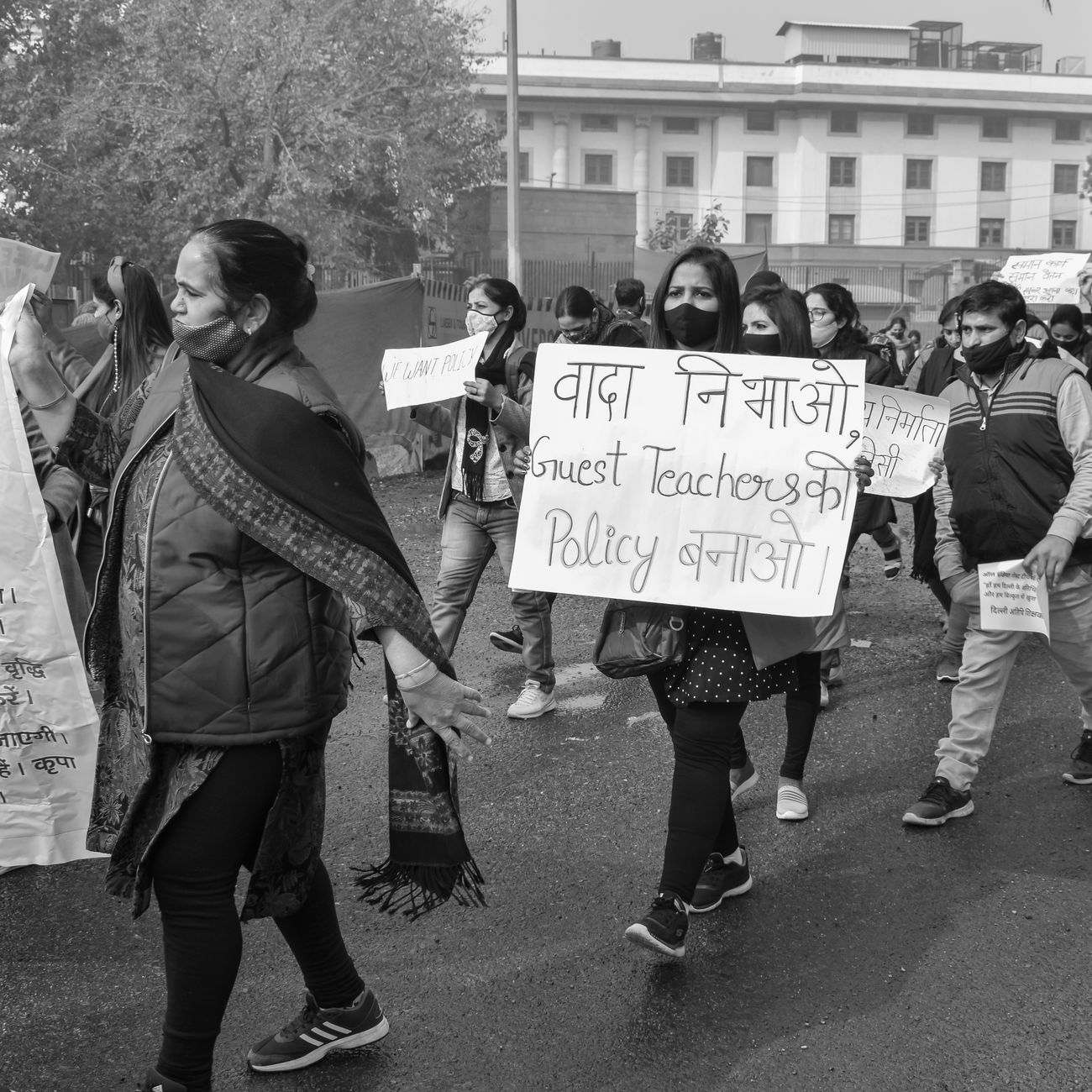
The resignation of India's Union Education Minister Dharmendra Pradhan marks a significant political development that highlights growing tensions between government policy and student welfare concerns. The move comes after weeks of intensifying demonstrations that brought education reform issues to the forefront of national discourse.
Background to the Resignation
Dharmendra Pradhan, who has held the education portfolio since 2021, faced mounting pressure from various student organizations and political groups over several contentious issues. The protests, which began on university campuses, rapidly spread across multiple states, drawing attention to systemic problems within India's education sector.
The demonstrations centered on grievances ranging from examination irregularities to concerns about the implementation of the National Education Policy 2020. Students and academic institutions raised questions about the pace and manner of educational reforms being introduced across the country.
Key Issues That Sparked Protests
Several factors contributed to the political pressure that ultimately led to the minister's resignation:
- Allegations of mismanagement in conducting national-level entrance examinations
- Concerns over paper leaks and examination security breaches affecting lakhs of students
- Delays in releasing results and issuing certificates for various competitive exams
- Disputes over the restructuring of school curricula and academic calendars
- Controversies surrounding changes to higher education accreditation processes
The situation became particularly acute when multiple student bodies united in their demands for accountability and systemic reforms. The coalition of protesters represented diverse political affiliations, suggesting widespread dissatisfaction that transcended party lines.
Impact on Students and Educational Institutions
The turmoil in the education ministry has had far-reaching consequences for India's vast student population. With over 250 million students enrolled in schools and universities nationwide, any disruption to examination schedules or policy implementation affects millions of families.
Universities reported disruptions to academic calendars, while students preparing for competitive examinations faced uncertainty about their future prospects. The protests highlighted the anxiety among young Indians about the reliability and fairness of the education system that determines their career trajectories.
Political Ramifications
The resignation represents a significant political moment for the government, raising questions about accountability and responsiveness to public concerns. Education policy has increasingly become a politically sensitive area, with opposition parties and civil society organizations scrutinizing every major decision.
The incident underscores the challenges of implementing large-scale educational reforms in a country as diverse and populous as India. Balancing modernization efforts with the practical concerns of students, teachers, and parents requires careful navigation of competing interests.
What Happens Next
Following Pradhan's resignation, attention now turns to the appointment of a successor and the potential recalibration of education policies. The new minister will inherit several pressing challenges:
- Restoring confidence in the examination system
- Addressing pending grievances from student organizations
- Ensuring smooth implementation of ongoing educational reforms
- Rebuilding trust between the ministry and academic institutions
The government will likely face pressure to demonstrate that it has learned from this episode and will adopt a more consultative approach to education policy in the future.
Broader Implications for Education Reform
This development may influence how education reforms are conceptualized and executed across India. Stakeholder engagement, particularly with student representatives and academic bodies, may receive greater emphasis in policy formulation.
The incident also highlights the power of organized student movements in shaping political outcomes. As digital communication enables faster mobilization, education authorities may need to develop more responsive mechanisms for addressing concerns before they escalate into major protests.
The resignation serves as a reminder that education policy cannot be divorced from its human impact. Technical reforms, however well-intentioned, must be implemented with sensitivity to the lived experiences of students navigating an already competitive and stressful academic environment.
As India continues its efforts to modernize and expand its education system, this episode will likely be studied as a case study in the importance of balancing reform ambitions with practical implementation challenges and stakeholder consensus.