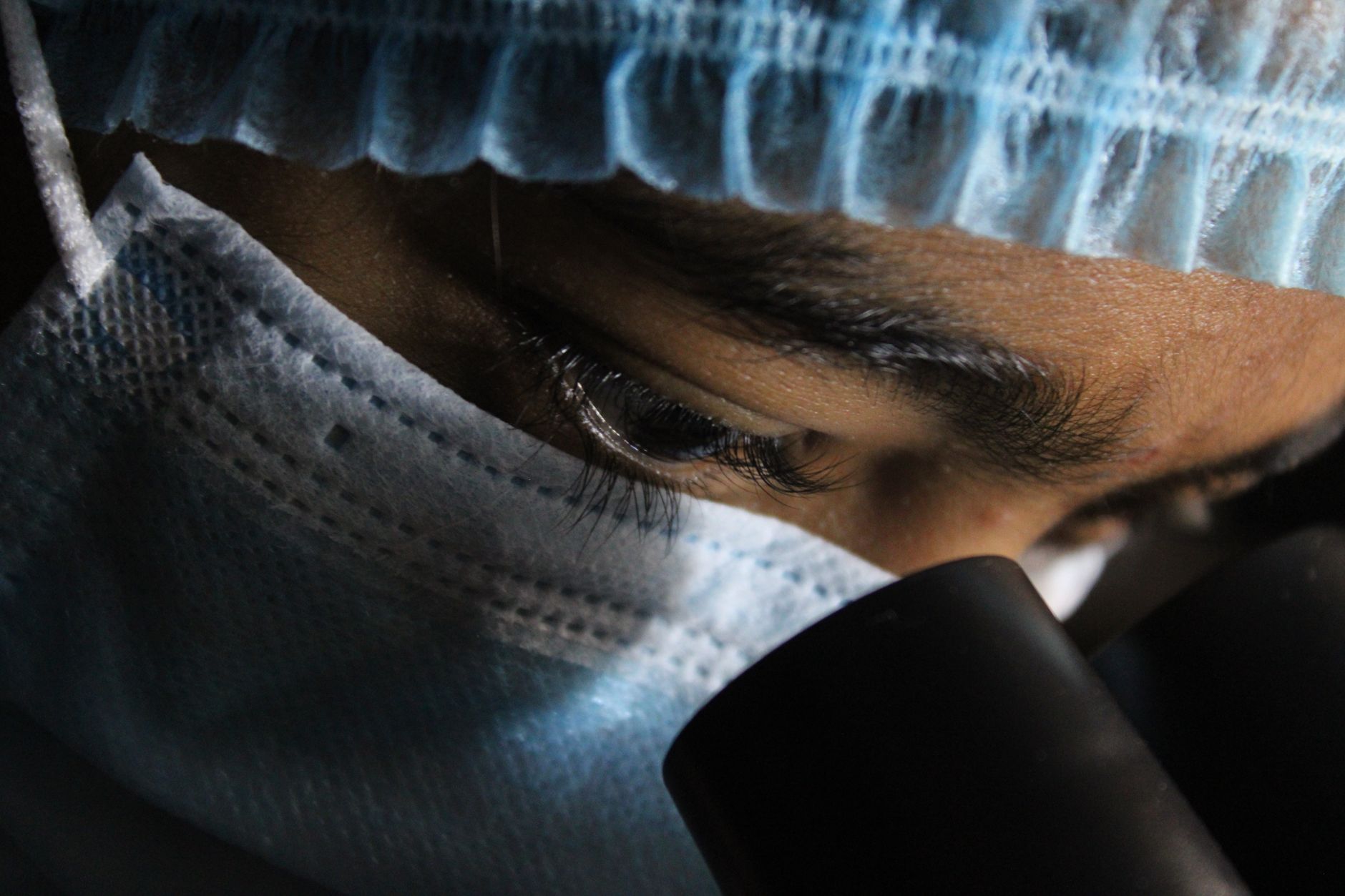
India faces a unique healthcare challenge. Despite making significant strides in medical infrastructure and treatment capabilities, the country continues to grapple with a growing burden of both communicable and non-communicable diseases. The solution, according to health experts and policymakers, lies not just in treating illness but in preventing it from occurring in the first place.
The Current State of Indian Healthcare
India's healthcare system has traditionally been oriented toward curative care rather than preventive measures. Hospitals and clinics are often overcrowded with patients seeking treatment for conditions that could have been prevented or detected earlier. The country spends approximately 3-4% of its GDP on healthcare, significantly lower than the global average, and the majority of this expenditure goes toward treating diseases rather than preventing them.
The consequences of this approach are evident in India's disease statistics. Non-communicable diseases like diabetes, hypertension, and cardiovascular conditions are reaching epidemic proportions, particularly in urban areas. Simultaneously, communicable diseases and malnutrition continue to affect large segments of the population, especially in rural regions.
Understanding Preventive Healthcare
Preventive healthcare encompasses all measures taken to prevent diseases rather than treating them after they occur. This includes:
- Regular health screenings and check-ups
- Vaccination programs for children and adults
- Health education and awareness campaigns
- Lifestyle modification programs
- Early detection initiatives for cancers and chronic diseases
- Nutritional interventions and food fortification
- Sanitation and clean water access
- Workplace wellness programs
The Economic Case for Prevention
The economic argument for preventive healthcare is compelling. Treatment of chronic diseases places an enormous financial burden on families and the healthcare system. A single hospitalization for a heart attack or stroke can cost lakhs of rupees, potentially pushing families into poverty. In contrast, regular screenings, lifestyle counseling, and early intervention cost a fraction of this amount.
Studies suggest that every rupee invested in prevention can save multiple rupees in treatment costs. For instance, diabetes prevention programs that focus on diet and exercise can delay or prevent the onset of the disease, avoiding decades of expensive medication and complication management.
Key Areas for Preventive Focus
Several areas require immediate attention to build a robust preventive healthcare framework in India.
Lifestyle diseases represent the most rapidly growing health threat. With urbanization and changing dietary patterns, Indians are increasingly susceptible to obesity, diabetes, and heart disease. Public health campaigns promoting physical activity, balanced nutrition, and stress management could significantly reduce this burden.
Maternal and child health remains a priority, particularly in rural areas. Ensuring proper prenatal care, institutional deliveries, and childhood immunizations can prevent complications and deaths that remain tragically common in underserved regions.
Mental health, long neglected in India's healthcare discourse, requires preventive approaches including stress management education, workplace mental health programs, and early intervention services for at-risk populations.
Barriers to Implementation
Despite the clear benefits, several obstacles hinder the adoption of preventive healthcare in India. Limited public awareness about the importance of prevention leads many to seek medical care only when seriously ill. The fee-for-service model incentivizes treatment over prevention, as doctors and hospitals earn more from procedures and hospitalizations than from counseling and screenings.
Infrastructure gaps, particularly in rural areas, make regular check-ups and screenings inaccessible to millions. Additionally, the shortage of primary healthcare workers means that even basic preventive services cannot reach everyone who needs them.
The Way Forward
Transforming India's healthcare landscape requires a multi-pronged approach. Government initiatives like the Ayushman Bharat program must expand their preventive components, including free annual health screenings for all enrolled families. Schools and workplaces should become centers for health education and screening programs.
Technology can play a crucial role through telemedicine consultations, mobile health apps that promote healthy behaviors, and AI-driven risk assessment tools that identify individuals needing preventive interventions. Public-private partnerships can help scale these solutions across the country.
Community health workers, already a strength of India's healthcare system, should be further trained and empowered to deliver preventive services at the grassroots level. Their trusted position in communities makes them ideal ambassadors for health promotion and disease prevention.
India's path to better health outcomes does not lie solely in building more hospitals or importing advanced medical technology. It requires a fundamental shift in mindset—from treating illness to maintaining wellness, from reactive medicine to proactive health management. Only through this preventive approach can India hope to provide affordable, accessible healthcare for its 1.4 billion citizens.
This article is for general informational purposes only and does not constitute medical advice. Readers should consult qualified healthcare professionals for personalized medical guidance and treatment recommendations.