India's transportation landscape is experiencing unprecedented change as the government and private sector invest heavily in modernizing infrastructure and improving connectivity across the vast nation. From bullet trains to expanded metro networks, the country is literally on the move toward a more integrated and efficient transportation future.
The Railway Renaissance
Indian Railways, one of the world's largest railway networks, is at the heart of this transformation. The introduction of Vande Bharat Express trains has brought semi-high-speed rail travel to multiple routes, offering passengers modern amenities and faster journey times. These indigenous trains represent a significant upgrade from conventional services, featuring improved safety systems, automatic doors, and enhanced passenger comfort.
The government's push for railway modernization extends beyond new trains. Station redevelopment projects are transforming major terminals into world-class facilities with improved waiting areas, commercial spaces, and better accessibility features. The electrification of railway lines continues at an accelerated pace, making train travel more environmentally sustainable while reducing operational costs.
Metro Expansion Across Cities
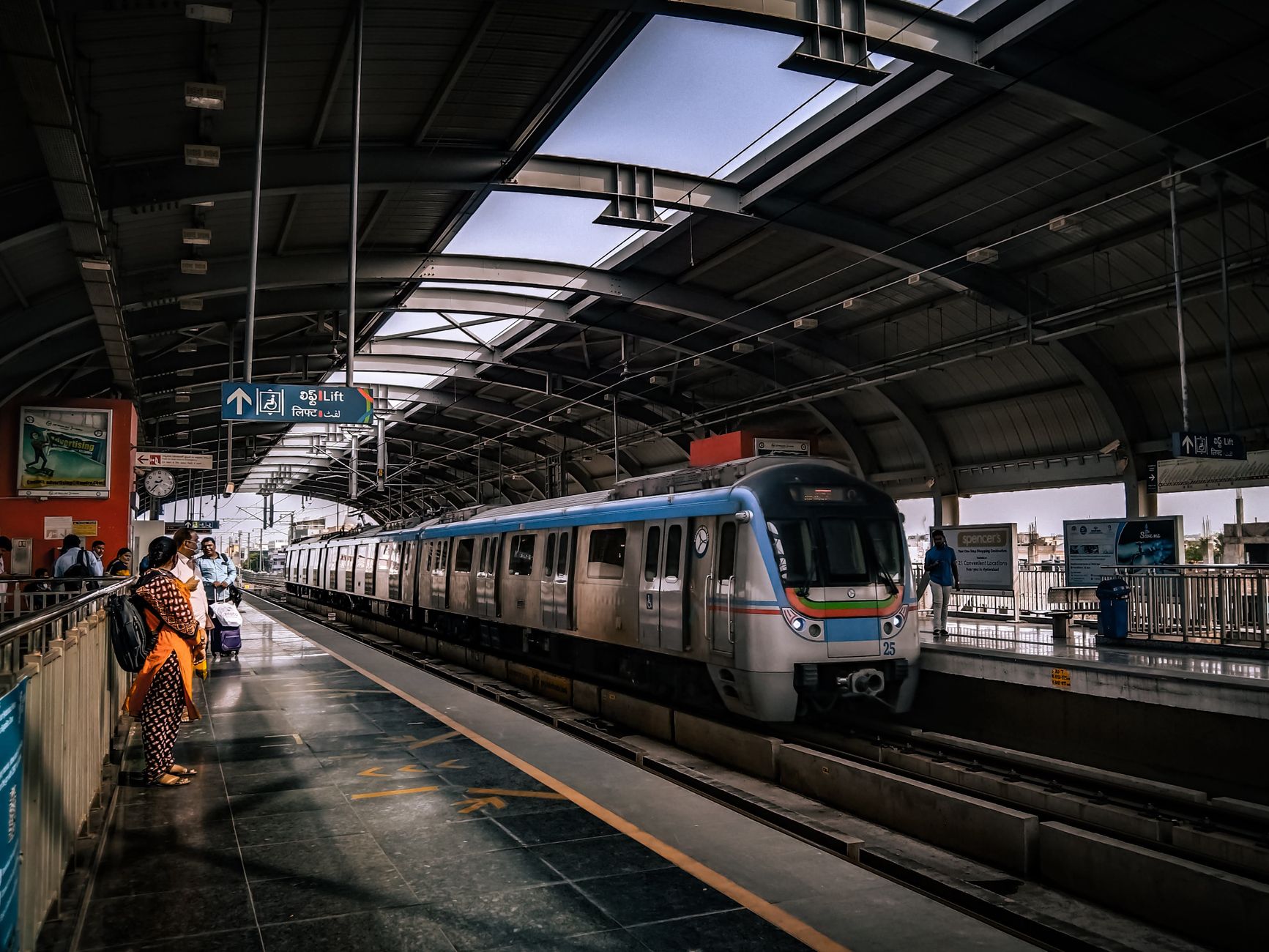
Urban metro systems are rapidly expanding beyond traditional metros like Delhi, Kolkata, and Bangalore. Tier-2 and Tier-3 cities are now getting their own metro networks, fundamentally changing urban mobility patterns. Cities such as Kanpur, Agra, and Bhopal have joined the metro club, with many more projects in various stages of planning and construction.
These metro systems provide several benefits:
- Reduced traffic congestion on surface roads
- Lower carbon emissions compared to private vehicles
- Faster and more reliable commute times
- Improved last-mile connectivity through feeder bus services
- Enhanced safety for women and elderly passengers
Digital Revolution in Ticketing
The digitalization of ticketing systems has made traveling significantly more convenient. The IRCTC app and website allow millions to book train tickets from their smartphones, eliminating long queues at reservation counters. Similarly, metro systems across cities have adopted smart card technology and mobile-based ticketing, streamlining the passenger experience.
UPI integration has made cashless travel a reality, with passengers able to pay for tickets, tolls, and parking using digital payment methods. This shift toward contactless transactions accelerated during the pandemic and continues to grow in adoption.
Road Infrastructure Boom
India's highway network is expanding rapidly under the Bharatmala project, which aims to optimize the road network by bridging critical infrastructure gaps. The construction of new expressways, including the Delhi-Mumbai Expressway and various regional corridors, is reducing travel time between major economic centers.
The development of logistics parks and multimodal connectivity hubs is improving the efficiency of goods transportation, crucial for economic growth. Better roads also enhance road safety, though challenges remain in reducing accidents and improving driver behavior.
Aviation Sector Growth
The Indian aviation sector has witnessed remarkable growth with increasing passenger numbers and expanding route networks. New airports are being developed in smaller cities, making air travel accessible to more Indians. The UDAN (Ude Desh ka Aam Nagrik) scheme has been instrumental in connecting underserved regions, promoting regional air connectivity at affordable fares.
Budget airlines continue to dominate the market, offering competitive pricing that has made flying a viable option for middle-class travelers. The expansion of airport infrastructure in major cities ensures capacity can meet growing demand.
Waterways and Coastal Shipping
Often overlooked, inland waterways are being revitalized as cost-effective and environment-friendly transportation alternatives. The Jal Marg Vikas Project on the Ganges and other national waterway projects aim to leverage India's extensive river systems for cargo movement. Coastal shipping development could further reduce pressure on road and rail networks while offering efficient connectivity between port cities.
Challenges Ahead
Despite impressive progress, challenges persist. Last-mile connectivity remains inadequate in many areas, particularly in rural regions. Infrastructure projects often face delays due to land acquisition issues, environmental clearances, and funding constraints. The integration of different transportation modes needs improvement to create truly seamless travel experiences.
Traffic congestion in major cities continues to worsen despite new infrastructure, highlighting the need for comprehensive urban planning. Road safety remains a critical concern, with India accounting for a significant portion of global road accident fatalities.
The Path Forward
India's transportation revolution reflects the nation's economic aspirations and demographic realities. As urbanization accelerates and incomes rise, the demand for efficient, safe, and sustainable transportation will only increase. The success of ongoing initiatives will depend on sustained investment, effective execution, and technological adoption that puts passenger convenience at the center of planning.