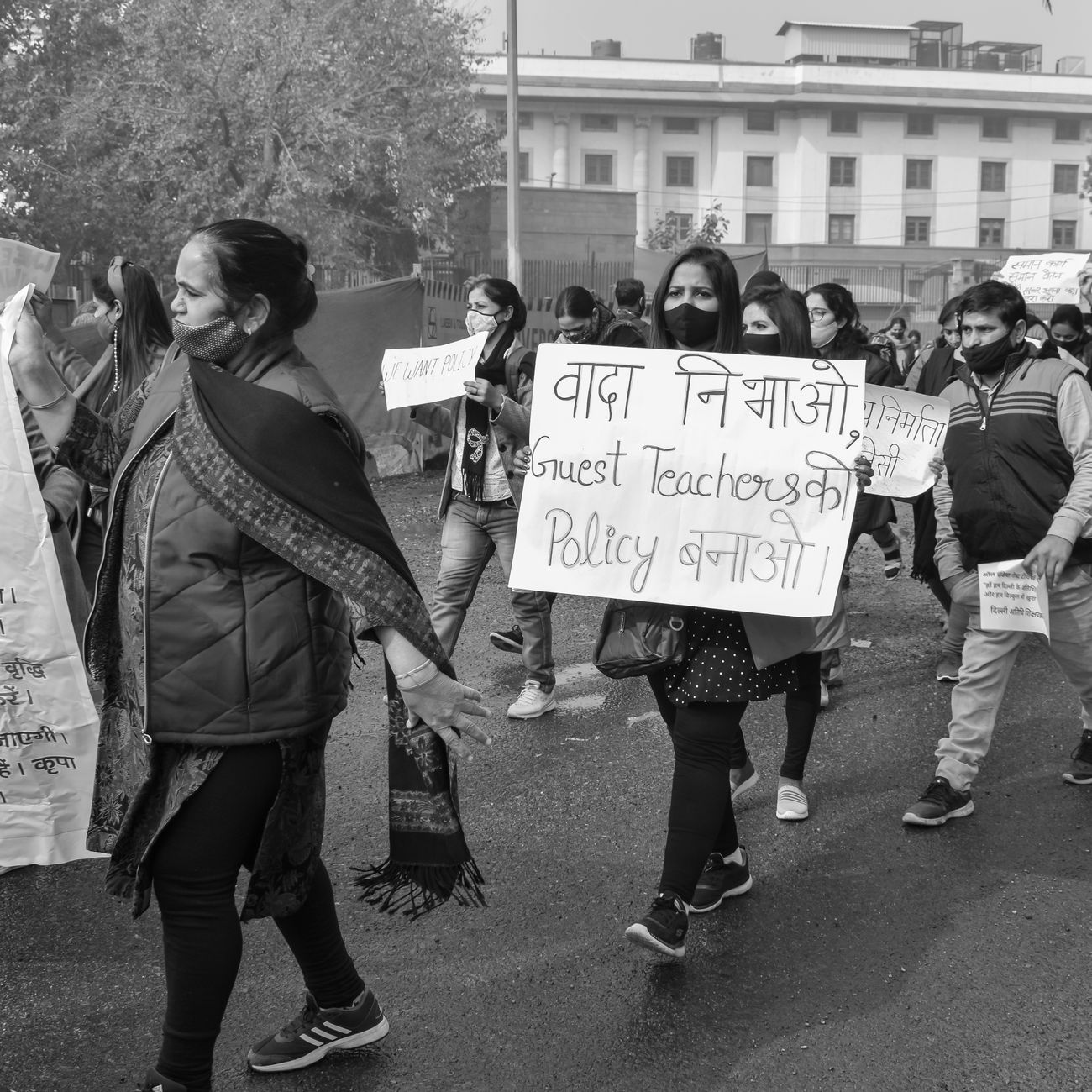
India's public examination system, which determines the future of millions of young people each year, is undergoing significant reforms following unprecedented youth protests that swept across the country. The demonstrations, triggered by repeated exam paper leaks and irregularities, have forced policymakers to confront deep-rooted problems in one of the world's largest assessment systems.
The Crisis That Sparked Change
The protests erupted after several high-profile examination scandals involving competitive entrance tests for government jobs, medical colleges, and engineering institutions. Students who had spent years preparing for these career-defining exams saw their efforts undermined by paper leaks that gave unfair advantages to some candidates. The anger was particularly intense because these examinations are often the primary pathway to economic mobility for millions of young Indians from modest backgrounds.
The scale of the protests reflected the stakes involved. India conducts thousands of public examinations annually, from school-leaving certificates to entrance tests for premier institutions and civil service positions. Any compromise in their integrity affects not just individual futures but public trust in meritocracy itself.
Key Reforms Being Implemented
The government has announced a multi-pronged approach to restore confidence in the examination system. These reforms target various stages of the examination process, from question paper creation to result declaration.
Enhanced security protocols now govern the entire examination lifecycle. Question papers are being prepared in high-security facilities with limited access, multiple surveillance systems, and strict confidentiality agreements for everyone involved. The printing and transportation of papers now involve GPS tracking and real-time monitoring.
Digital transformation is a central pillar of the reform strategy. Authorities are accelerating the shift toward computer-based testing for most competitive examinations. This reduces the physical handling of question papers and enables randomization of questions, making large-scale cheating significantly more difficult. Some examinations are experimenting with artificial intelligence-powered proctoring systems to detect suspicious behavior during tests.
Institutional Restructuring
Beyond technological fixes, India is addressing structural weaknesses in examination governance. A new dedicated body with enhanced powers is being established to oversee major competitive examinations. This organization will have greater autonomy from political interference and increased resources for investigation and enforcement.
The reform package includes harsher penalties for those involved in examination malpractices. New legislation proposes jail terms and substantial fines for paper leaks, impersonation, and organized cheating rackets. The government is also creating fast-track courts to ensure swift justice in examination-related cases, sending a strong deterrent message.
Standardization across states is another focus area. India's federal structure means different states conduct their own examinations, leading to varying standards and security protocols. The reforms encourage states to adopt common best practices and minimum security standards, while preserving their autonomy in curriculum and assessment design.
Addressing the Root Causes
Reformers recognize that examination integrity issues often stem from deeper problems. The intense competition for limited seats in premier institutions and government positions creates enormous pressure on students and families, making them vulnerable to exploitation by cheating syndicates.
Some reforms therefore aim to reduce the winner-takes-all nature of certain examinations. Proposals include increasing the frequency of tests, allowing multiple attempts without penalty, and expanding capacity in quality institutions. These measures could reduce the desperation that drives some candidates toward unfair means.
There is also growing emphasis on diversifying assessment methods beyond single high-stakes examinations. Educational authorities are exploring continuous assessment models, practical skill evaluation, and holistic admission criteria that consider multiple factors rather than just one test score.
Implementation Challenges
Despite the ambitious reform agenda, implementation faces significant hurdles. The sheer scale of India's examination system, with tens of millions of candidates annually, makes comprehensive monitoring extremely challenging. Rural and remote areas often lack the infrastructure for computer-based testing, raising concerns about equitable access.
Resource constraints are another concern. Implementing sophisticated security systems, digital infrastructure, and enhanced oversight requires substantial investment, which may be difficult to sustain across all examination levels. Coordination between multiple agencies and different levels of government also presents administrative complexities.
The Road Ahead
The examination reforms represent a critical test of India's commitment to meritocracy and equal opportunity. Success will require sustained political will, adequate resources, and continuous adaptation to new challenges. The youth protests have created a political imperative for change, but converting that momentum into lasting institutional transformation remains the ultimate challenge.
For India's young people, these reforms offer hope that their hard work and talent, rather than their connections or willingness to cheat, will determine their futures. The coming years will reveal whether the system can deliver on that promise.