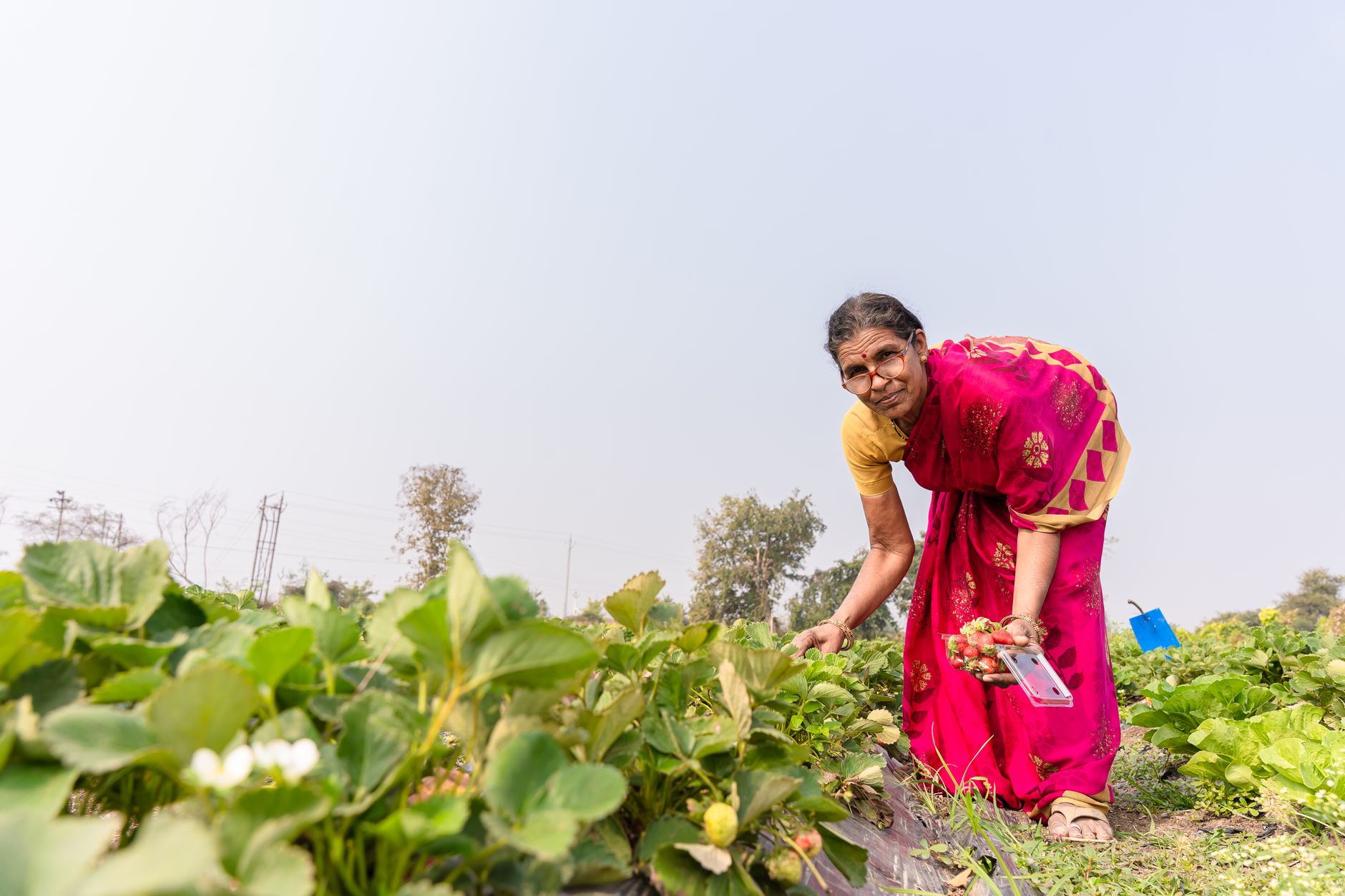
India's healthcare landscape is undergoing a significant transformation as the country leverages both grassroots community initiatives and cutting-edge digital technologies to extend medical services to its 1.4 billion citizens. This dual approach addresses longstanding challenges in healthcare accessibility, particularly in remote and underserved regions.
The Community Healthcare Foundation
Community health workers have become the backbone of India's primary healthcare system. The Accredited Social Health Activist (ASHA) programme, which operates in villages across the country, has deployed over one million trained workers who serve as the first point of contact between communities and the formal health system. These workers provide basic health education, maternal care support, and facilitate connections to larger healthcare facilities.
Primary Health Centres (PHCs) and Community Health Centres (CHCs) form the next tier of this community-based approach. Recent government initiatives have focused on upgrading these facilities with better equipment, regular medicine supplies, and adequate staffing. The Health and Wellness Centres scheme aims to transform existing sub-centres and PHCs into comprehensive care centres offering screenings for non-communicable diseases, mental health support, and geriatric care.
Digital Health Revolution
The digital transformation of Indian healthcare has accelerated dramatically in recent years. The Ayushman Bharat Digital Mission (ABDM) represents one of the world's largest digital health infrastructure projects, creating unique health IDs for citizens, digitizing health records, and establishing registries for doctors and health facilities.
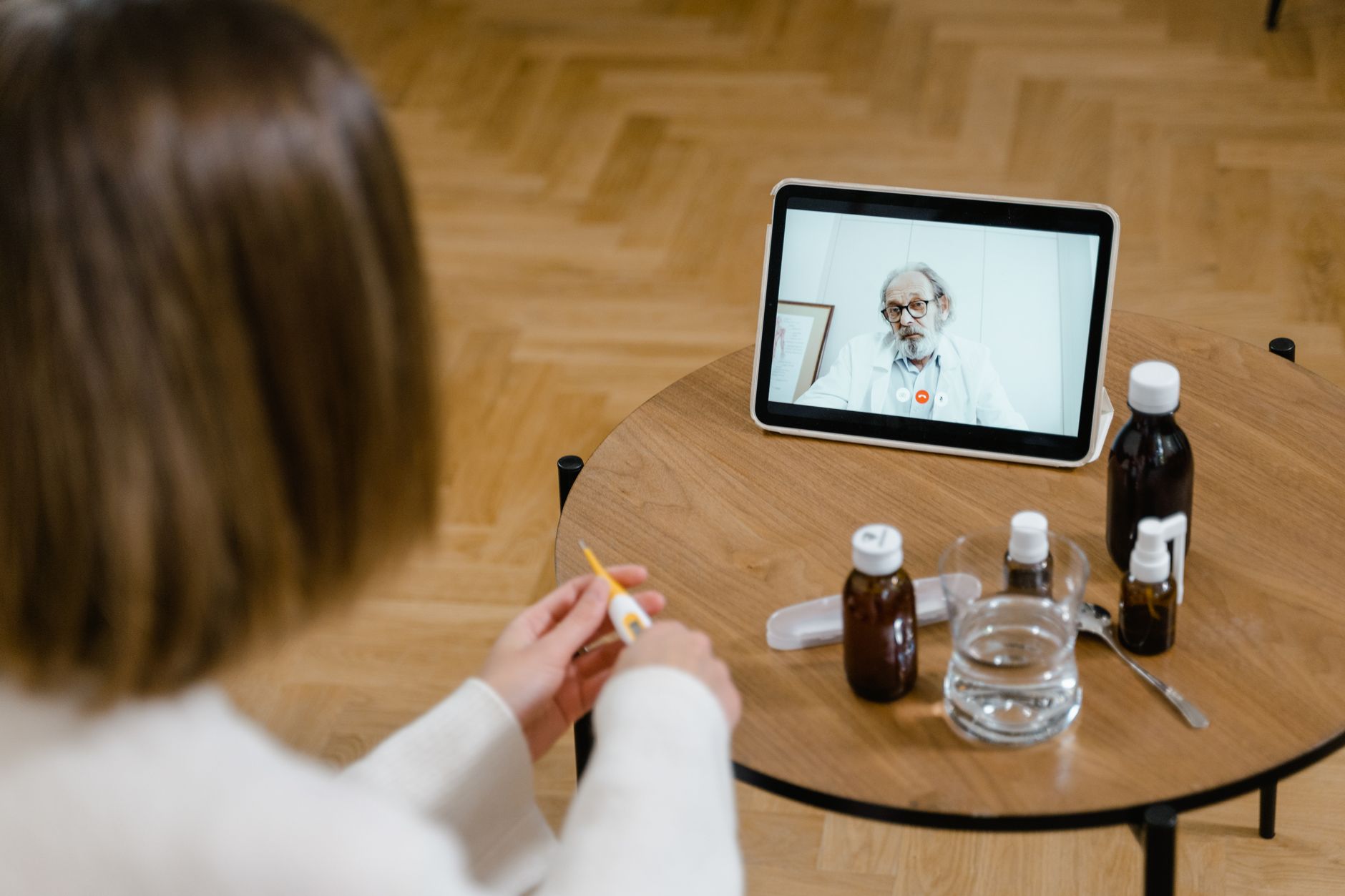
Telemedicine platforms have emerged as crucial tools for extending specialist care to remote areas. Patients in rural districts can now consult with doctors in major cities through video consultations, reducing the need for expensive and time-consuming travel. The eSanjeevani platform alone has facilitated millions of teleconsultations since its launch, proving particularly valuable during the COVID-19 pandemic.
Mobile health applications are empowering citizens to take charge of their own health. Apps providing medication reminders, symptom checkers, appointment booking systems, and wellness tracking have seen widespread adoption even in tier-2 and tier-3 cities. Government-backed initiatives like the CoWIN platform demonstrated the potential for digital solutions to coordinate mass healthcare interventions efficiently.
Bridging the Urban-Rural Divide
The integration of community and digital services specifically targets the persistent healthcare inequality between urban and rural India. While cities have relatively good access to hospitals and specialists, rural areas often lack even basic medical facilities.
Mobile medical units equipped with diagnostic tools and telemedicine facilities are now reaching villages that previously had no regular healthcare access. These units combine physical presence with digital connectivity, allowing local health workers to conduct examinations while specialists provide remote guidance.
Pharmacy networks are also being digitized, with platforms connecting rural pharmacies to supply chains and enabling online medicine orders with home delivery. This ensures better medicine availability and authentic drug supply in areas previously dependent on limited local stock.
Challenges and Opportunities
Despite progress, significant challenges remain. Digital literacy varies widely across demographics, with elderly populations and those in extremely remote areas sometimes struggling to adopt new technologies. Internet connectivity issues persist in some regions, limiting the effectiveness of telemedicine and digital health records.
Healthcare worker training and retention also require ongoing attention. Ensuring community health workers have adequate skills and motivation while keeping digital systems user-friendly for varied literacy levels demands continuous investment and refinement.
The Path Forward
The convergence of community engagement and digital innovation creates a hybrid model uniquely suited to India's diverse healthcare needs. Success depends on maintaining this balance—ensuring technology enhances rather than replaces human touch in healthcare delivery.
Investment in rural internet infrastructure, continued training programmes for health workers, and public awareness campaigns about digital health tools will be critical. As these systems mature, India's approach could serve as a model for other populous developing nations facing similar healthcare accessibility challenges.
The emphasis on preventive care through community programmes, combined with the efficiency of digital service delivery, positions India to significantly improve health outcomes while managing costs effectively. This integrated strategy recognizes that sustainable healthcare access requires both technological advancement and grassroots human connection.
This article is for general informational purposes only and does not constitute medical advice. Readers should consult qualified healthcare professionals for personal medical concerns and treatment decisions.
===END===