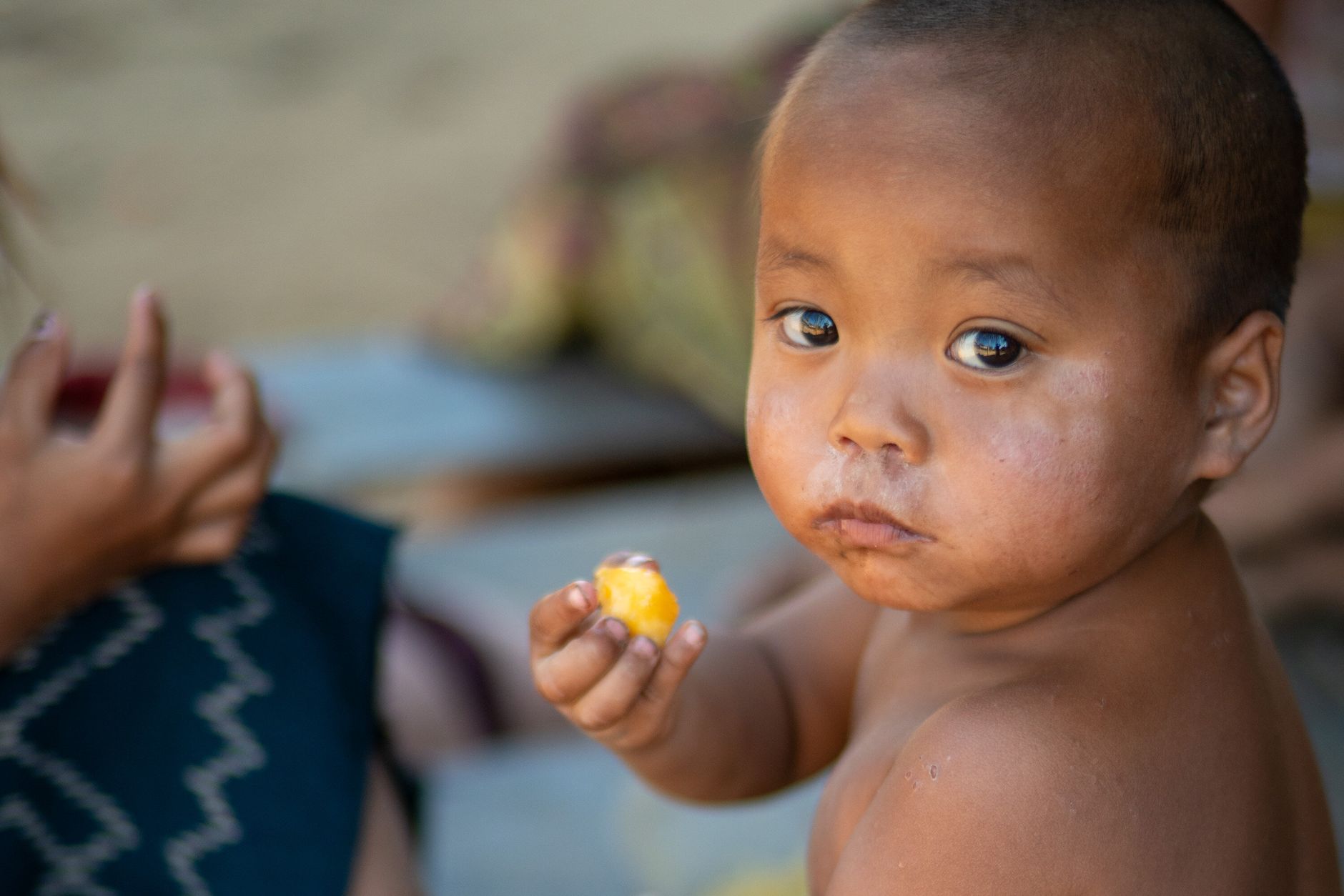
India faces a significant challenge when it comes to children's nutrition and health outcomes. Despite being one of the world's fastest-growing economies, the country continues to struggle with high rates of childhood malnutrition, stunting, and micronutrient deficiencies. A new policy roadmap developed by global health experts aims to transform this landscape through targeted interventions and systemic reforms.
The Current State of Child Nutrition in India
India is home to over 250 million children under the age of 15, making it one of the youngest populations globally. However, malnutrition remains a persistent problem. Approximately 35 percent of children under five years are stunted, meaning their height is below the standard for their age due to chronic malnutrition. Additionally, wasting affects nearly 19 percent of young children, while around 33 percent are underweight.
Beyond these visible markers of malnutrition, micronutrient deficiencies present another layer of concern. Iron deficiency anemia affects more than half of Indian children, compromising their cognitive development and immune function. Vitamin A and zinc deficiencies are also widespread, contributing to increased susceptibility to infections and developmental delays.
Key Components of the Policy Roadmap
The newly launched roadmap takes a multi-pronged approach to addressing these challenges through several strategic pillars:
- Strengthening public distribution systems to ensure nutritious foods reach vulnerable populations
- Enhancing midday meal schemes in schools with improved nutritional standards
- Promoting exclusive breastfeeding for the first six months of life
- Improving access to clean water and sanitation facilities
- Expanding fortification programs for staple foods like rice, wheat, and cooking oil
- Implementing regular health monitoring and growth tracking for children
- Educating mothers and caregivers about proper infant and child feeding practices
The Role of Food Fortification
Food fortification has emerged as a cost-effective strategy to combat micronutrient deficiencies. The roadmap emphasizes scaling up fortification programs that add essential vitamins and minerals to commonly consumed foods. Rice fortification, already being piloted in several states, adds iron, folic acid, and vitamin B12 to regular rice through specially designed kernels that look and taste identical to normal rice.
Similarly, double-fortified salt containing both iodine and iron has shown promise in reducing anemia rates. Oil fortification with vitamins A and D helps address deficiencies in these fat-soluble vitamins that are crucial for vision, bone health, and immune function.
Addressing Regional Disparities
One of the roadmap's critical focuses is addressing the significant regional variations in child nutrition outcomes. States in the northern and eastern regions, including Bihar, Uttar Pradesh, and Jharkhand, show considerably higher malnutrition rates compared to southern states like Kerala and Tamil Nadu.
The policy framework recommends customized interventions based on local dietary patterns, agricultural practices, and cultural preferences. For instance, promoting millet-based foods in regions where they are traditionally consumed can provide better nutrition while respecting local food cultures.
The Importance of the First 1,000 Days
The roadmap places special emphasis on the critical window from conception through a child's second birthday, often called the first 1,000 days. Nutritional interventions during this period have the most significant impact on long-term health, cognitive development, and economic productivity.
Strategies for this crucial period include improving maternal nutrition during pregnancy, promoting immediate and exclusive breastfeeding after birth, and ensuring timely introduction of appropriate complementary foods after six months. Community health workers play a vital role in educating families and monitoring child growth during this window.
Collaboration and Implementation Challenges
Successfully implementing this roadmap requires coordination between multiple government departments, non-governmental organizations, international agencies, and community stakeholders. The complexity of India's federal structure means that states have significant autonomy in implementing nutrition programs, requiring careful coordination and resource allocation.
Challenges include ensuring last-mile delivery of services in remote areas, changing deep-rooted dietary habits and beliefs, addressing poverty and food insecurity, and building adequate infrastructure for food storage and distribution. The roadmap acknowledges these obstacles and proposes phased implementation with regular monitoring and course correction.
Looking Forward
Improving child nutrition in India has far-reaching implications beyond health. Well-nourished children perform better academically, have higher earning potential as adults, and contribute more effectively to economic growth. The return on investment in child nutrition programs is estimated to be among the highest of any development intervention.
This article is for general informational purposes only and does not constitute medical or nutritional advice. Parents and caregivers should consult qualified healthcare professionals for specific guidance regarding children's health and dietary needs.