Indian peacekeepers serving with the United Nations Mission in South Sudan (UNMISS) are making a significant impact beyond their traditional security mandate by delivering essential veterinary services to rural communities in the Jonglei region. This initiative represents a broader approach to peacekeeping that addresses fundamental livelihood challenges in post-conflict areas.
The Critical Role of Livestock in Rural South Sudan
In Jonglei and other rural regions of South Sudan, livestock represents far more than a source of food. Cattle, goats, and sheep serve as the primary economic asset for pastoralist communities, functioning as living banks, sources of milk and meat, and central pillars of cultural identity. The health of these animals directly determines the survival and prosperity of entire communities.
Years of conflict have severely disrupted veterinary services across South Sudan. The lack of trained veterinarians, medical supplies, and basic animal healthcare infrastructure has left communities vulnerable to disease outbreaks that can devastate herds and, by extension, human livelihoods.
What Indian Peacekeepers Are Doing
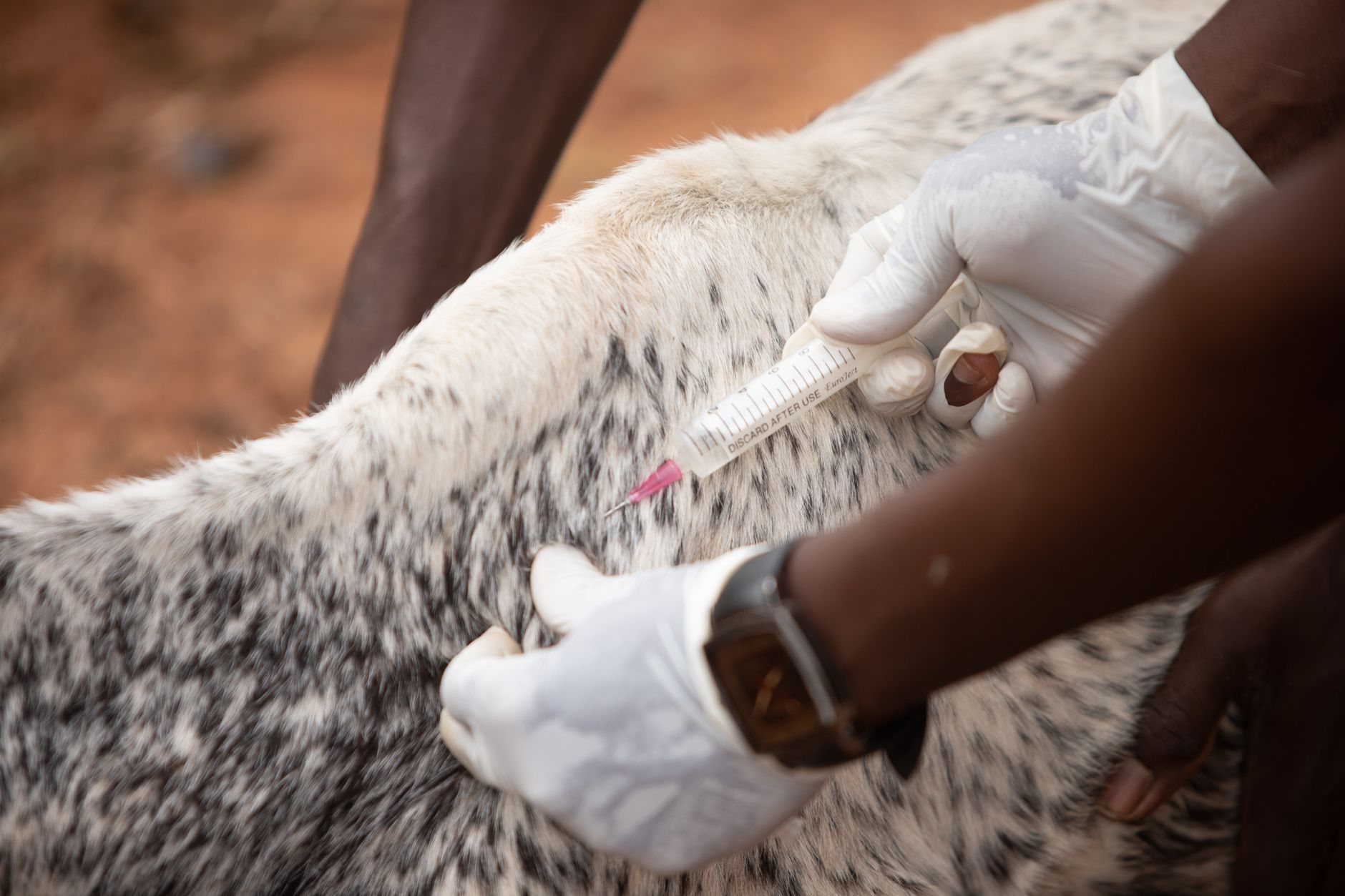
The Indian contingent within UNMISS has deployed veterinary teams to provide practical, hands-on healthcare services for livestock. These efforts include:
- Conducting vaccination campaigns against common livestock diseases
- Treating sick and injured animals
- Providing deworming treatments to improve animal health and productivity
- Offering basic training to local herders on disease prevention
- Distributing essential veterinary medicines and supplies
- Conducting health assessments of community herds
The veterinary personnel, drawn from India's armed forces veterinary corps, bring professional expertise and experience working in challenging field conditions. Their presence fills a critical gap in regions where formal veterinary services have been absent for years.
Impact on Community Health and Livelihoods
The livestock health interventions create ripple effects throughout rural communities. Healthier animals produce more milk, improving child nutrition and family food security. Reduced livestock mortality means families retain their economic assets and can avoid the desperate poverty that follows herd loss.
Women, who often manage small livestock like goats and chickens, particularly benefit from these services. Improved animal health translates directly to better household nutrition and income generation opportunities for female-headed households.
The initiative also contributes to conflict reduction. In South Sudan, cattle raiding and competition over grazing resources have been significant drivers of intercommunal violence. By improving herd health and productivity, the veterinary services help reduce economic desperation that can fuel conflict.
India's Broader Peacekeeping Contributions
This livestock health program exemplifies India's comprehensive approach to UN peacekeeping. As one of the largest contributors of personnel to UN peacekeeping operations globally, India has consistently emphasized the importance of winning hearts and minds through community-oriented projects.
Indian peacekeeping contingents are known for establishing medical clinics, schools, and infrastructure projects in their deployment areas. The veterinary services in Jonglei represent a natural extension of this philosophy, adapted to the specific needs of pastoralist communities.
Challenges and Sustainability Questions
Despite the positive impact, significant challenges remain. The security situation in Jonglei continues to be volatile, with seasonal flooding and intercommunal tensions complicating service delivery. Reaching remote cattle camps requires extensive travel through difficult terrain.
Long-term sustainability is another concern. While the immediate veterinary interventions provide crucial relief, the ultimate goal must be building local capacity. Training South Sudanese veterinary professionals and establishing sustainable supply chains for medicines and vaccines remain works in progress.
The Future of Community-Focused Peacekeeping
The Jonglei livestock health initiative demonstrates how peacekeeping missions can address the root causes of instability by supporting fundamental livelihood needs. As UN peacekeeping evolves, such multidimensional approaches that combine security with development and humanitarian support are likely to become increasingly important.
For the communities in Jonglei, the presence of Indian veterinary teams represents hope for recovery and resilience. By keeping livestock healthy, peacekeepers are helping to rebuild the economic foundation that communities need to move beyond conflict and toward sustainable peace.
This article is for general information purposes only. Readers seeking specific information about UNMISS operations or veterinary services in South Sudan should consult official UN sources or relevant humanitarian organizations working in the region.