India has achieved a remarkable demographic milestone: women are living longer than ever before, with life expectancy now exceeding 72 years compared to just 36 years at independence. However, this statistical triumph conceals a troubling reality that affects millions of elderly women across the country.
The Longevity Paradox
The increased lifespan of Indian women represents decades of improvements in healthcare, nutrition, and disease prevention. Yet longevity without quality of life presents its own set of challenges. Many Indian women are spending their additional years battling chronic illnesses, facing financial insecurity, and lacking adequate support systems.
The paradox is stark: women outlive men by an average of three to four years, but those extra years are often marked by poor health, social isolation, and economic dependence. This phenomenon, known as the "feminization of aging," creates a vulnerable demographic that India's social and healthcare systems are ill-equipped to handle.
Health Challenges in Extended Lifespans
Living longer does not automatically mean living healthier. Indian elderly women face a disproportionate burden of non-communicable diseases including diabetes, hypertension, arthritis, and osteoporosis. Many spend their later years managing multiple chronic conditions simultaneously.
- Osteoporosis affects nearly 50 percent of Indian women over 50, leading to fractures and mobility issues
- Mental health concerns including depression and anxiety are widely under-diagnosed in elderly women
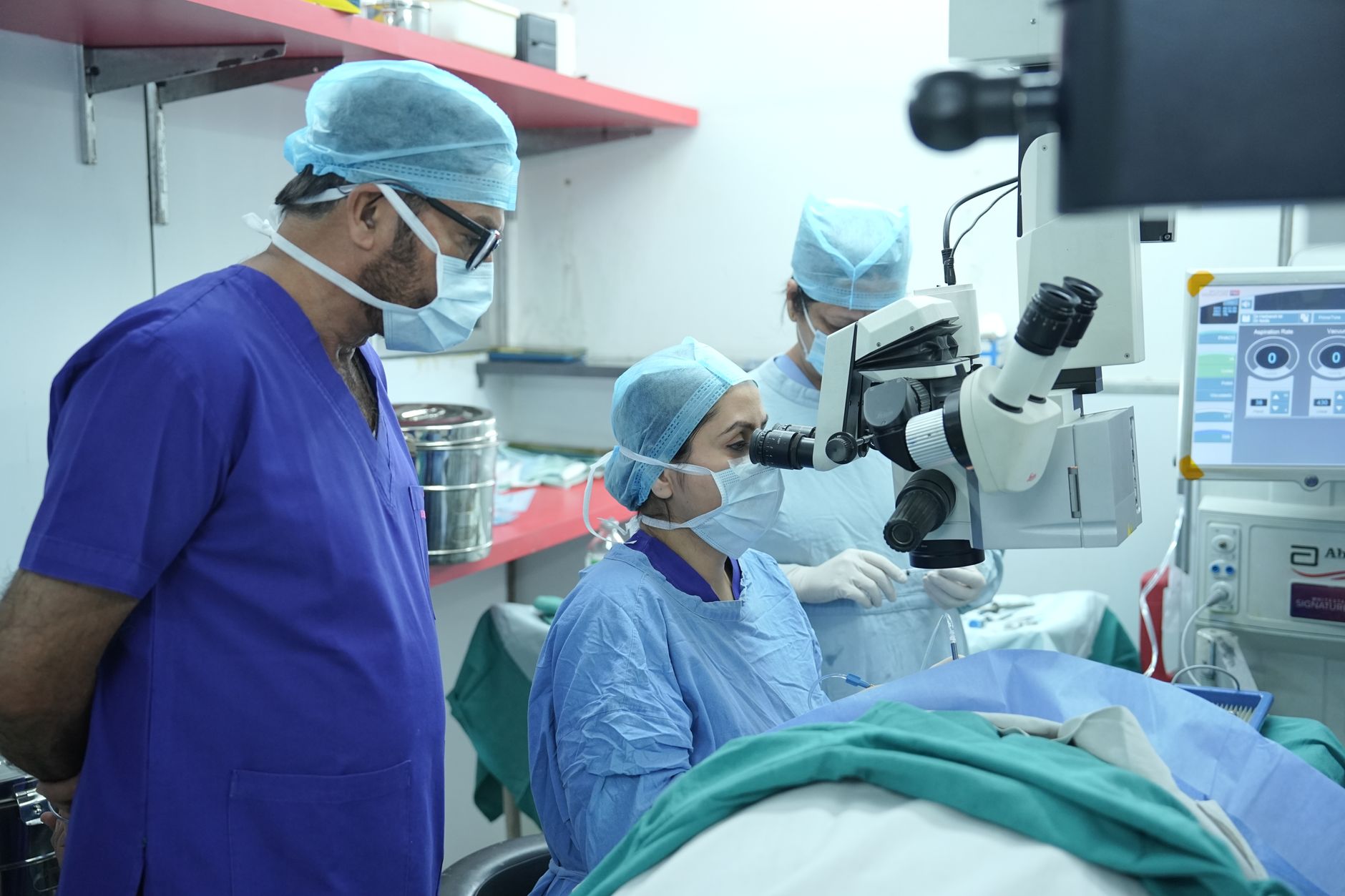
- Vision and hearing impairments often go untreated due to lack of awareness or resources
- Malnutrition remains surprisingly common among elderly women, even in middle-class households
These health challenges are compounded by India's historically inadequate focus on women's healthcare. Many elderly women today grew up in an era when girls received less nutrition and medical attention than boys, creating health deficits that manifest dramatically in old age.
Economic Vulnerability
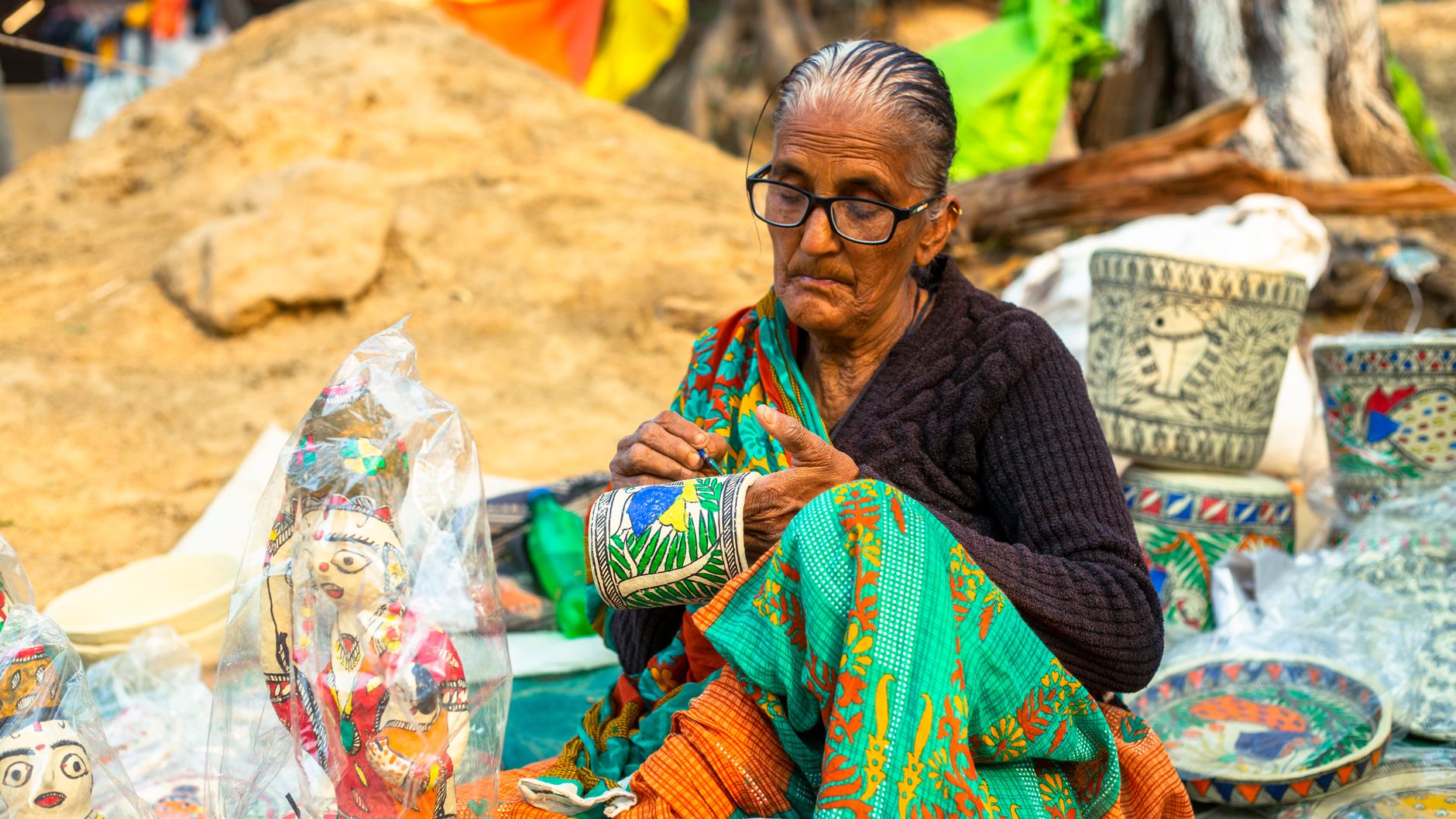
Financial insecurity represents perhaps the most significant concern for aging Indian women. The majority of elderly women in India never participated in formal employment and therefore lack pensions, savings, or independent income sources. They remain economically dependent on family members throughout their extended lives.
Widowhood exacerbates this vulnerability. With women typically marrying older men and outliving them, a large proportion of elderly women are widows who may lose household decision-making power and resource access after their husband's death. Property rights, pension transfers, and inheritance laws, despite reforms, often fail to protect elderly widows adequately.
The absence of comprehensive social security coverage leaves many elderly women reliant on their children's willingness and ability to provide support—an increasingly uncertain proposition as traditional joint family structures erode.
Caregiving Crisis
India faces a growing caregiving crisis as the elderly population expands but the traditional family support system weakens. Adult children increasingly migrate for employment, live in nuclear families, or face their own financial pressures that limit their capacity to care for aging parents.
Women comprise the majority of elderly people requiring care, yet formal caregiving infrastructure remains severely limited. Nursing homes carry social stigma, affordable assisted living facilities are scarce, and home healthcare services are expensive and available primarily in urban areas.
Ironically, elderly women often continue to serve as caregivers themselves—for grandchildren, ill spouses, or even more elderly relatives—while their own health needs go unaddressed.
Policy Gaps
India's policy framework has not kept pace with its aging demographic reality. The Maintenance and Welfare of Parents and Senior Citizens Act provides some legal protection, but enforcement remains weak. Pension schemes like Indira Gandhi National Old Age Pension provide only minimal financial support.
Healthcare infrastructure lacks geriatric specialists, age-appropriate facilities, and preventive care programs specifically designed for elderly women. Mental health services for this demographic are almost non-existent in most regions.
Moving Forward
Addressing these challenges requires comprehensive reforms across multiple sectors. Universal pension coverage, expanded healthcare access with focus on geriatric care, legal protections for elderly women's property rights, and investment in affordable caregiving infrastructure are essential.
Society must also shift its perspective: longevity should be celebrated only when accompanied by dignity, health, and security. The goal should not be merely adding years to life, but adding quality to those years.
This article is for general informational purposes only and does not constitute medical, financial, or legal advice. Readers should consult appropriate professionals for guidance on specific health, financial planning, or legal matters related to elderly care.