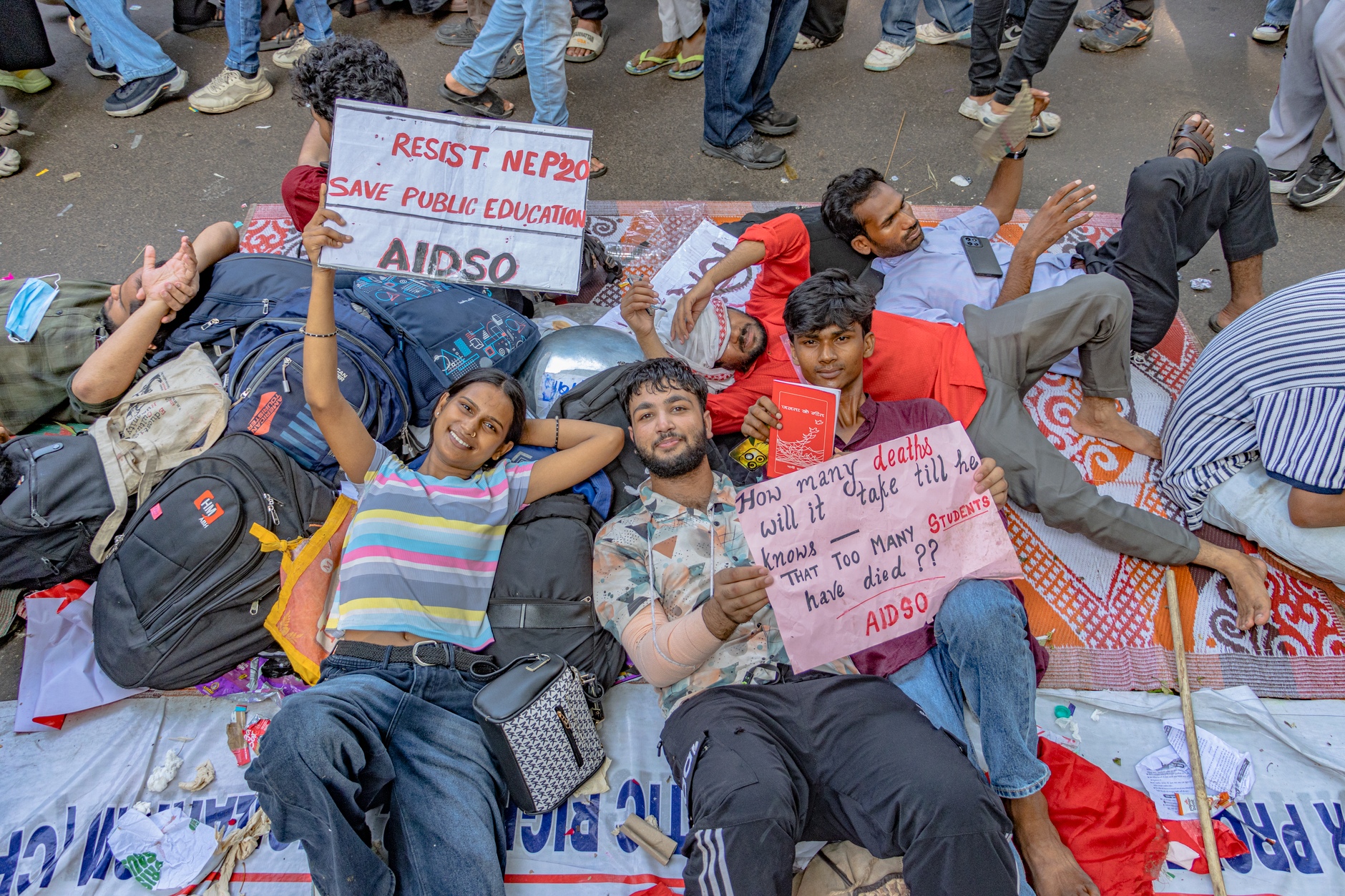
The recent wave of student-led protests across India, dramatically dubbed the "cockroach" protest movement, has concluded following a significant political development. The resignation of the Union Education Minister has marked a turning point in what had become one of the most visible education-sector demonstrations in recent years.
Understanding the Cockroach Protest Movement
The protest movement gained its unusual name from the symbolic use of cockroach imagery by demonstrators, representing their perception of persistent problems within India's education system that refuse to go away despite repeated attempts at reform. Students and education activists employed this striking metaphor to draw attention to issues they believed were being ignored or inadequately addressed by policymakers.
The movement brought together students from universities across multiple states, united by common grievances about the state of education infrastructure, examination processes, admission policies, and overall governance of educational institutions. Social media played a crucial role in coordinating the demonstrations and spreading awareness about the protesters' demands.
Key Issues Driving the Protests
Several interconnected concerns fueled the student mobilization. Many protesters highlighted problems with the examination system, including allegations of paper leaks, marking irregularities, and delays in result announcements that affected students' academic futures and career prospects. The uncertainty created by frequent policy changes without adequate consultation with stakeholders also emerged as a major point of contention.
Additionally, concerns about the quality of education, availability of resources, and access to opportunities for students from disadvantaged backgrounds formed core elements of the protest demands. Many participants argued that recent policy decisions had created additional barriers rather than removing existing obstacles to quality education.
The Role of Chief Justice and Public Pressure
The involvement of judicial authorities and civil society organizations added weight to the protesters' demands. When concerns about education governance reached the Chief Justice of India's attention, it signaled that the issues had transcended street-level demonstrations to become matters of constitutional and legal significance.
Public pressure mounted as parents, teachers' unions, and opposition political parties began expressing solidarity with the students. Media coverage of the protests kept the issues in the national spotlight, making it increasingly difficult for authorities to dismiss the movement's concerns.
Political Implications of the Minister's Exit
The Education Minister's resignation represents a significant acknowledgment that the concerns raised by protesters warranted serious attention at the highest levels of government. While the specific circumstances surrounding the resignation may involve multiple factors, its timing in relation to the ongoing protests cannot be overlooked.
This development demonstrates how sustained public mobilization can influence political outcomes in India's democratic framework. It also raises questions about accountability in governance and the mechanisms through which citizen concerns translate into policy changes.
What Happens Next
With the protest formally called off, attention now turns to whether the underlying issues will be addressed substantively. Students and education advocates have emphasized that the minister's resignation alone is not sufficient; they seek concrete reforms to prevent the recurrence of problems that triggered the demonstrations.
The appointment of a new education minister and any immediate policy announcements will be closely watched. Stakeholders are calling for inclusive consultations involving students, teachers, administrators, and education experts to formulate solutions that address systemic challenges.
Broader Implications for Indian Education
This episode highlights the ongoing tensions between rapid policy changes and the need for stable, well-considered educational frameworks. India's education sector serves hundreds of millions of students, making it particularly sensitive to disruptions and policy experiments.
The protest movement has also demonstrated that India's young population is increasingly willing to organize and demand accountability from their elected representatives. This trend suggests that future education policies will need to be developed with greater transparency and stakeholder engagement to maintain legitimacy.
The resolution of this particular protest wave offers a moment for reflection on how India's education system can evolve to meet the aspirations of its youth while maintaining standards and accessibility. Whether the momentum generated by these demonstrations translates into lasting reforms remains to be seen, but the movement has certainly succeeded in placing education governance firmly on the national agenda.
The coming months will reveal whether this represents a genuine turning point in addressing students' concerns or merely a temporary pause in ongoing tensions within India's complex education landscape.