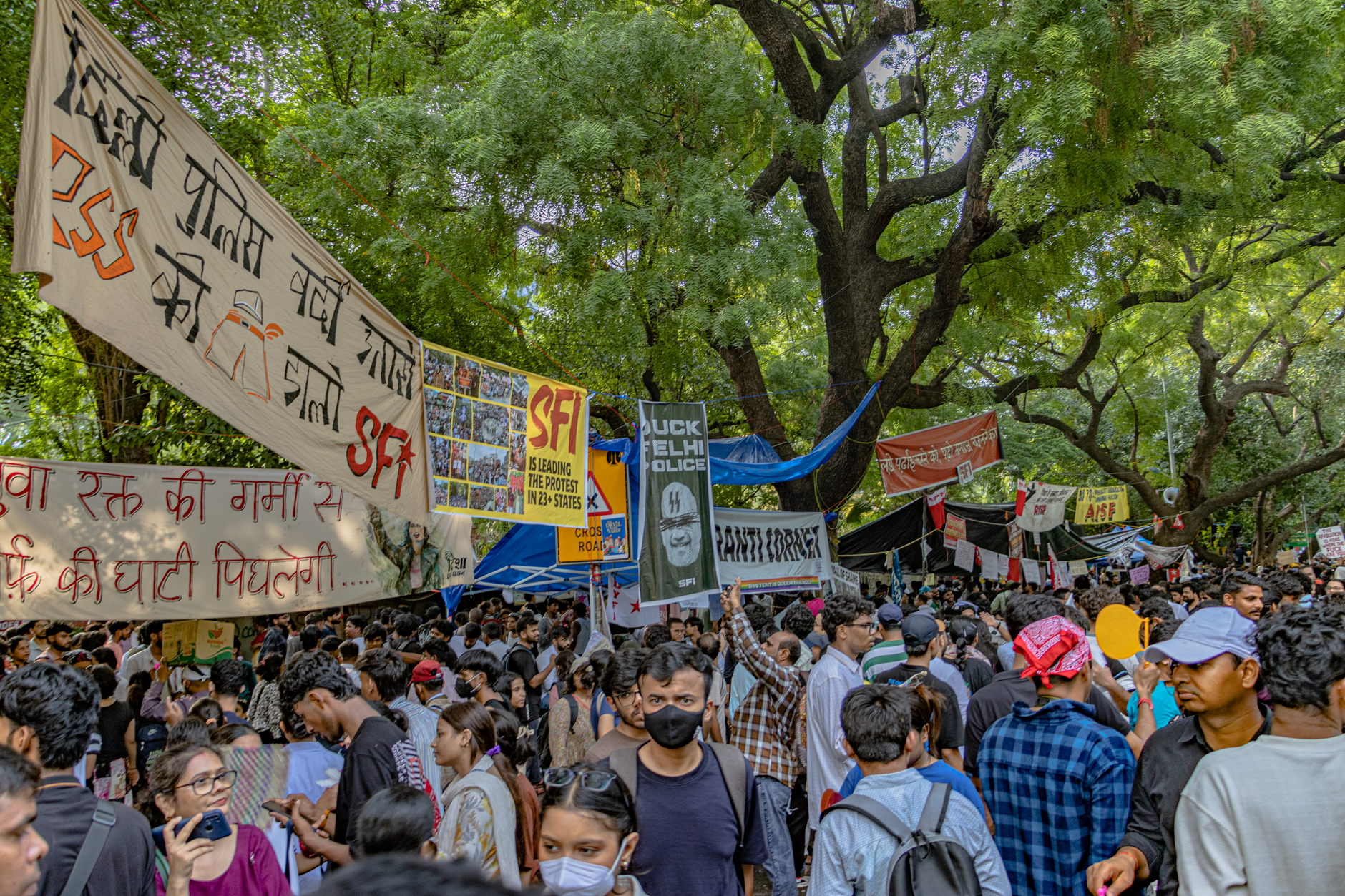
Students across India have taken to the streets in what has been termed the 'Cockroach' protests, a movement that has captured national attention and forced the government to respond to deep-seated concerns within the education sector. The unusual name reportedly stems from students' claims that they are being treated as unwanted pests by an education system that fails to address their needs.
The Origins of the Movement
The protests appear to have emerged from a combination of grievances that have been building within India's student community. These include concerns about examination reforms, fee structures, employment prospects after graduation, and the overall quality of education being provided. Students have used the cockroach metaphor to highlight how they feel marginalized and ignored by policymakers, despite being crucial stakeholders in the education system.
The movement has gained traction particularly among undergraduate and postgraduate students in major cities, with demonstrations reported from Delhi, Mumbai, Kolkata, and Bangalore. Social media has played a significant role in organizing these protests and spreading their message nationwide.
Government's Initial Response
The Indian government's response to these protests has been multi-faceted. Initially, authorities focused on maintaining law and order during demonstrations, deploying police forces to manage large gatherings and prevent any escalation into violence. In several instances, student leaders were called for discussions with education ministry officials to understand their demands better.
Policy Statements and Assurances
Government spokespersons have issued statements acknowledging the concerns raised by students while defending existing education policies. Officials have pointed to recent reforms, including the National Education Policy 2020, as evidence of the government's commitment to improving the education sector. They have emphasized that many changes take time to implement and show results.
Education ministry officials have also highlighted various initiatives aimed at addressing student concerns, including:
- Scholarship programs for economically disadvantaged students
- Skill development initiatives to improve employability
- Digital education infrastructure investments
- Examination reform committees to review assessment methods
- Fee regulation mechanisms in private institutions
Dialogue and Engagement Efforts
Recognizing that heavy-handed tactics could backfire, the government has attempted to engage with student representatives. Several rounds of talks have been organized between ministry officials and protest leaders. These discussions have covered topics ranging from fee structures to curriculum relevance and job market alignment.
State governments have also responded independently, with some announcing immediate relief measures such as fee freezes or examination postponements, while others have taken a firmer stance against what they describe as disruptions to academic calendars.
Security Measures and Controversies
While dialogue has been one aspect of the response, authorities have also implemented security measures that have drawn criticism. Reports of detained student activists, restrictions on assembly in certain areas, and increased police presence on campuses have emerged from various parts of the country.
Critics argue that these measures represent an attempt to suppress legitimate student grievances rather than address them. Civil rights organizations have called for restraint and emphasized students' constitutional right to peaceful protest.
Long-term Reform Commitments
Beyond immediate crisis management, the government has reiterated its commitment to structural reforms in education. Officials have pointed to ongoing initiatives such as:
- Expansion of quality higher education institutions
- Industry-academia partnerships to improve job readiness
- Research funding increases for universities
- Regulatory reforms to improve education standards
- Technology integration in teaching and assessment
Public and Political Reactions
The protests have generated diverse reactions across India's political spectrum. Opposition parties have largely supported the students' right to protest while criticizing government education policies. Ruling party representatives have defended their track record while accusing opposition elements of politicizing student concerns.
Academic experts have weighed in, with many acknowledging that India's education system faces genuine challenges that require sustained attention and resources. They point to issues like overcrowded classrooms, outdated curricula, and insufficient faculty as systemic problems that cannot be resolved through short-term measures alone.
The Path Forward
As the 'Cockroach' protests continue, the government faces the challenge of balancing immediate containment with meaningful long-term reform. The outcome of ongoing dialogues and the implementation of promised measures will likely determine whether student grievances are adequately addressed or whether the movement gains further momentum.
The situation underscores the broader challenges facing India's education sector as it attempts to serve the world's largest youth population while competing globally in quality and relevance.