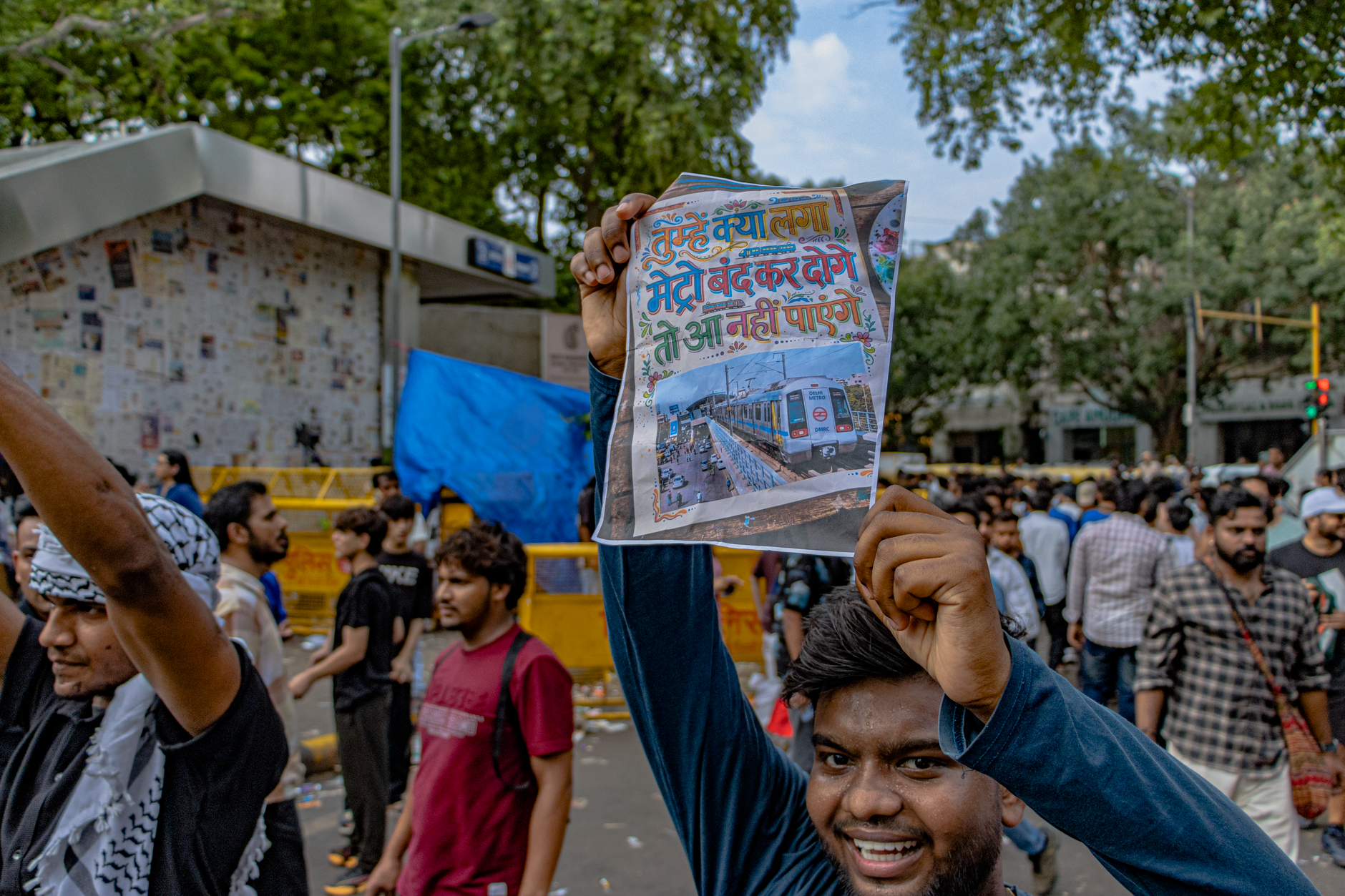
Student protests across India recently captured national attention through an unusual symbolic choice: cockroaches. The demonstrations, which have now concluded, highlighted growing concerns about the quality of education, institutional infrastructure, and the space for dissent within academic institutions. Though the protesters have dispersed, the questions they raised continue to resonate across the country's educational landscape.
The Symbolism Behind the Protests
The cockroach imagery employed by protesters served as a powerful metaphor for resilience and survival under adverse conditions. Students chose this symbol to represent their experience navigating deteriorating infrastructure, outdated curricula, and what they perceive as institutional neglect. The cockroach's ability to survive in harsh environments mirrored their message about persisting despite systemic challenges.
This creative form of protest also drew attention to specific grievances including inadequate hostel facilities, lack of basic amenities, and concerns about academic freedom. The unconventional approach helped the movement gain traction on social media and traditional news outlets, bringing educational issues to the forefront of public discourse.
Educational Challenges in Focus
The protests emerged against a backdrop of longstanding concerns about India's education sector. Despite significant investments and policy reforms, many institutions struggle with infrastructure deficits, faculty shortages, and outdated teaching methodologies.
Key issues highlighted by the movement include:
- Overcrowded classrooms and insufficient learning resources
- Deteriorating hostel and campus infrastructure
- Limited funding for research and development
- Concerns about curriculum relevance to modern job markets
- Questions about autonomy and academic freedom
These challenges are particularly acute in public universities and colleges, where funding constraints often translate into compromised learning environments. Students argue that while India positions itself as a global education hub, the ground reality for many learners tells a different story.
The Dissent Question
Beyond infrastructure concerns, the protests have reignited debate about the space for dissent within educational institutions. Student activism has a long history in India, dating back to independence movements and continuing through various social and political causes.
Recent years have witnessed tensions between student groups and institutional authorities over protests, political activities on campus, and freedom of expression. The cockroach protests, while focused on educational quality, also touched upon broader questions about whether students can freely voice grievances without facing administrative backlash.
Critics of current policies argue that educational institutions should be spaces for open dialogue and democratic participation. They contend that attempts to curtail student activism undermine the critical thinking and civic engagement that education should foster.
Government Response and Policy Context
The demonstrations occurred within the broader context of ongoing educational reforms in India. The National Education Policy 2020 represents the government's vision for transforming the sector, emphasizing multidisciplinary learning, flexibility, and vocational training.
Supporters of current policies point to increased budget allocations, digital infrastructure development, and efforts to improve research output. However, critics argue that implementation remains uneven and that fundamental infrastructure issues receive insufficient attention.
The government has emphasized dialogue with stakeholders while maintaining that protests should not disrupt academic activities. This balancing act between acknowledging concerns and maintaining institutional order remains a delicate challenge.
What Happens Next
Though the immediate protests have concluded, the underlying issues remain unresolved. Educational stakeholders including students, faculty, administrators, and policymakers face the challenge of translating grievances into constructive reforms.
Several potential pathways forward include:
- Enhanced stakeholder consultation in policy formulation
- Increased transparency in budget allocation and infrastructure development
- Establishment of formal grievance redressal mechanisms
- Greater emphasis on measuring educational outcomes beyond examinations
- Investment in campus infrastructure and learning resources
The success of these measures will depend on sustained political will, adequate funding, and genuine engagement with the concerns raised by students.
Broader Implications
The cockroach protests represent more than isolated campus grievances. They reflect broader anxieties about India's preparedness to deliver quality education to its young population. With millions of students entering the education system annually, the stakes are high for both individual futures and national development.
The movement also highlights evolving forms of student activism, blending creative symbolism with traditional protest methods and social media amplification. This suggests that future educational discourse will increasingly involve digitally savvy students demanding accountability and change.
As India aspires to become a knowledge economy and global education destination, addressing these fundamental concerns about educational quality and institutional culture becomes essential. The questions raised by these protests will likely continue shaping policy debates and campus conversations in the months and years ahead.