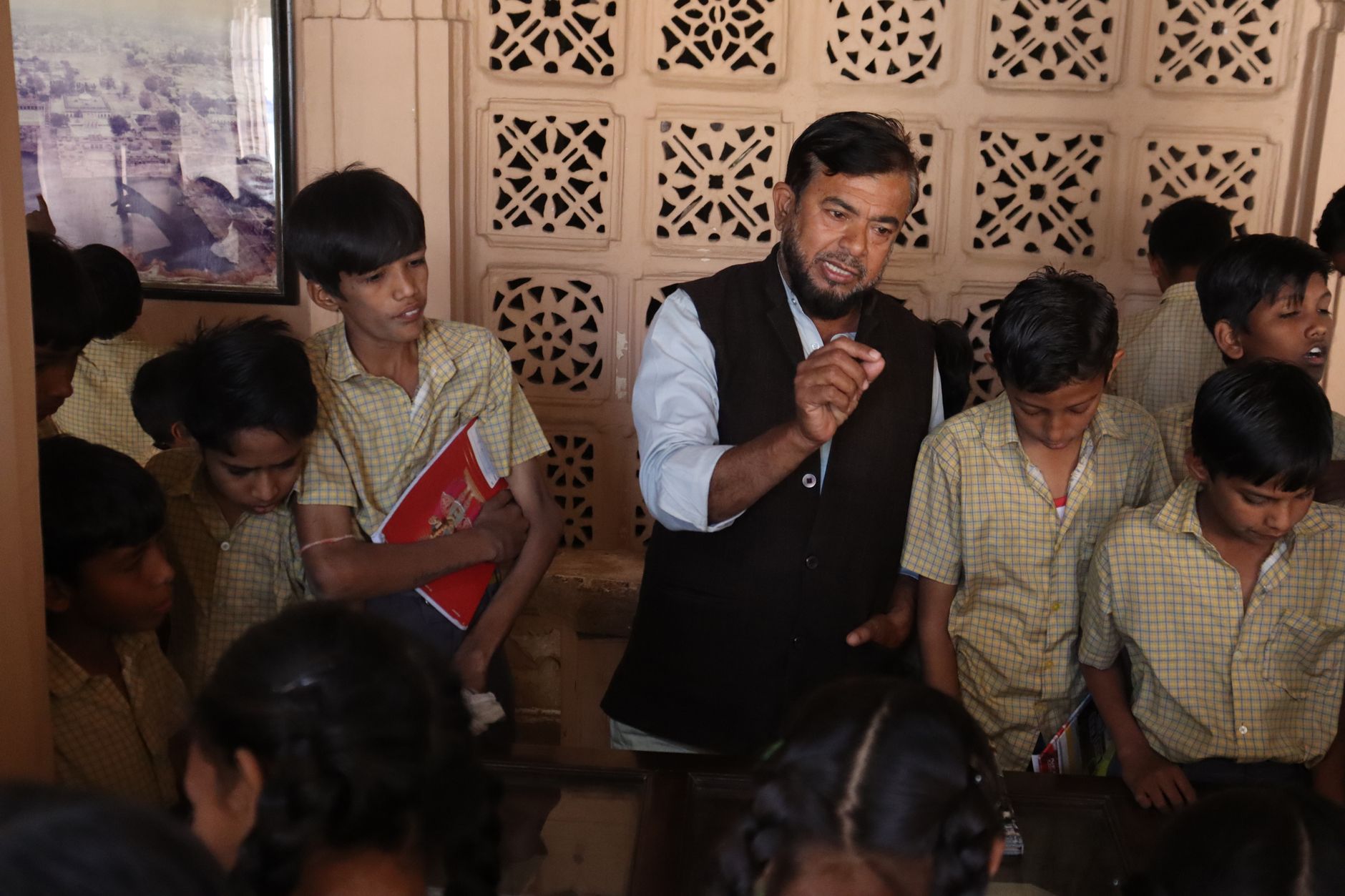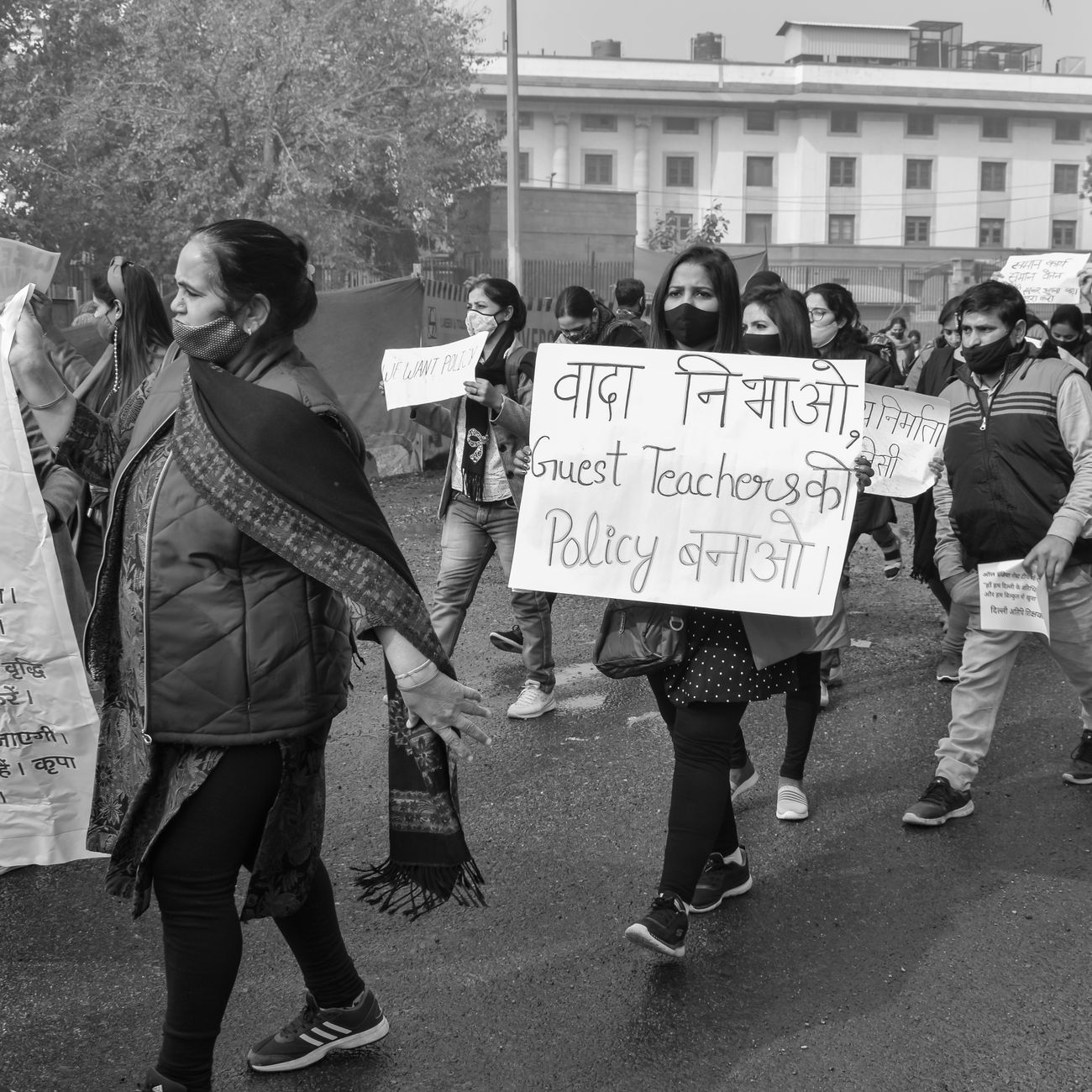
The resignation of a senior education minister in India has become a focal point of national attention, with protesters taking to the streets in celebration. The development marks a significant moment in ongoing debates about educational policy, administrative accountability, and student welfare in the country.
Background of the Controversy
Education ministers in India, whether at the central or state level, hold significant responsibility for shaping policies that affect millions of students. The portfolio includes oversight of school curricula, university administration, examination systems, teacher recruitment, and allocation of educational resources. When controversies arise in this sector, they often touch the lives of students, parents, teachers, and educational institutions across the board.
Recent months have seen mounting pressure on educational administrators across several Indian states due to various issues ranging from examination irregularities to policy decisions that stakeholders deemed unfavorable. The protests leading to this resignation likely stemmed from accumulated grievances that reached a tipping point.
Common Triggers for Educational Protests in India
Student and teacher protests in India typically revolve around several key issues:
- Examination paper leaks and alleged irregularities in competitive tests
- Delays in recruitment processes for teaching positions
- Changes to curriculum or language policies
- Fee hikes in educational institutions
- Concerns about the quality of education and infrastructure
- Irregularities in scholarship disbursement
- Autonomy issues for universities and colleges
When such issues remain unaddressed, they can snowball into larger movements demanding accountability from those in administrative positions.
The Significance of Public Accountability
The resignation of a minister following public pressure demonstrates the power of democratic protests and civil society engagement in India. It reflects a system where sustained public outcry can lead to consequences for officials, even those holding significant positions of authority.
For protesters, such resignations represent more than just the departure of an individual. They symbolize recognition of grievances, validation of concerns, and hope for systemic change. The celebrations witnessed following the announcement suggest that stakeholders view this as a victory for accountability in governance.
Implications for Education Policy
When a minister resigns amid controversy, it often creates both opportunities and uncertainties:
The immediate aftermath typically involves the appointment of a successor who may bring fresh perspectives or policy directions. However, it can also lead to administrative disruptions during the transition period, potentially affecting ongoing initiatives and programs.
For students particularly concerned about pending examinations, recruitment processes, or policy implementations, such transitions raise questions about continuity and timelines. The incoming minister will likely face pressure to address the specific grievances that led to the predecessor's exit.
Broader Context of Educational Challenges
India's education system serves one of the largest student populations in the world, making administrative decisions particularly impactful. The sector faces multiple challenges including ensuring quality education in rural areas, bridging the digital divide, managing the transition to new educational frameworks, and addressing unemployment concerns among educated youth.
Ministers in this portfolio must balance competing interests: maintaining academic standards while ensuring accessibility, modernizing curricula while preserving cultural values, and managing limited resources across vast geographical areas.
What Happens Next
Following such resignations, governments typically move quickly to appoint successors to prevent administrative vacuums. The new minister will likely face immediate scrutiny regarding how they plan to address the issues that sparked the protests.
For protest movements, the challenge often shifts from demanding resignation to ensuring that promised reforms materialize. Sustained engagement becomes crucial to prevent issues from recurring under new leadership.
The incident also serves as a reminder to administrators about the importance of stakeholder consultation, transparent communication, and prompt grievance redressal in the education sector.
The Role of Student Activism
Student movements have historically played important roles in shaping educational policy in India. From language agitation to demands for educational reforms, students have demonstrated their ability to mobilize effectively around issues that affect their future.
The celebration of this resignation reflects the belief among protesters that their voices matter and can effect change. This could potentially encourage greater civic participation in educational governance going forward.
The development highlights the dynamic relationship between educational administration and civil society in India, where accountability mechanisms extend beyond electoral cycles to include sustained public pressure on specific policy matters.