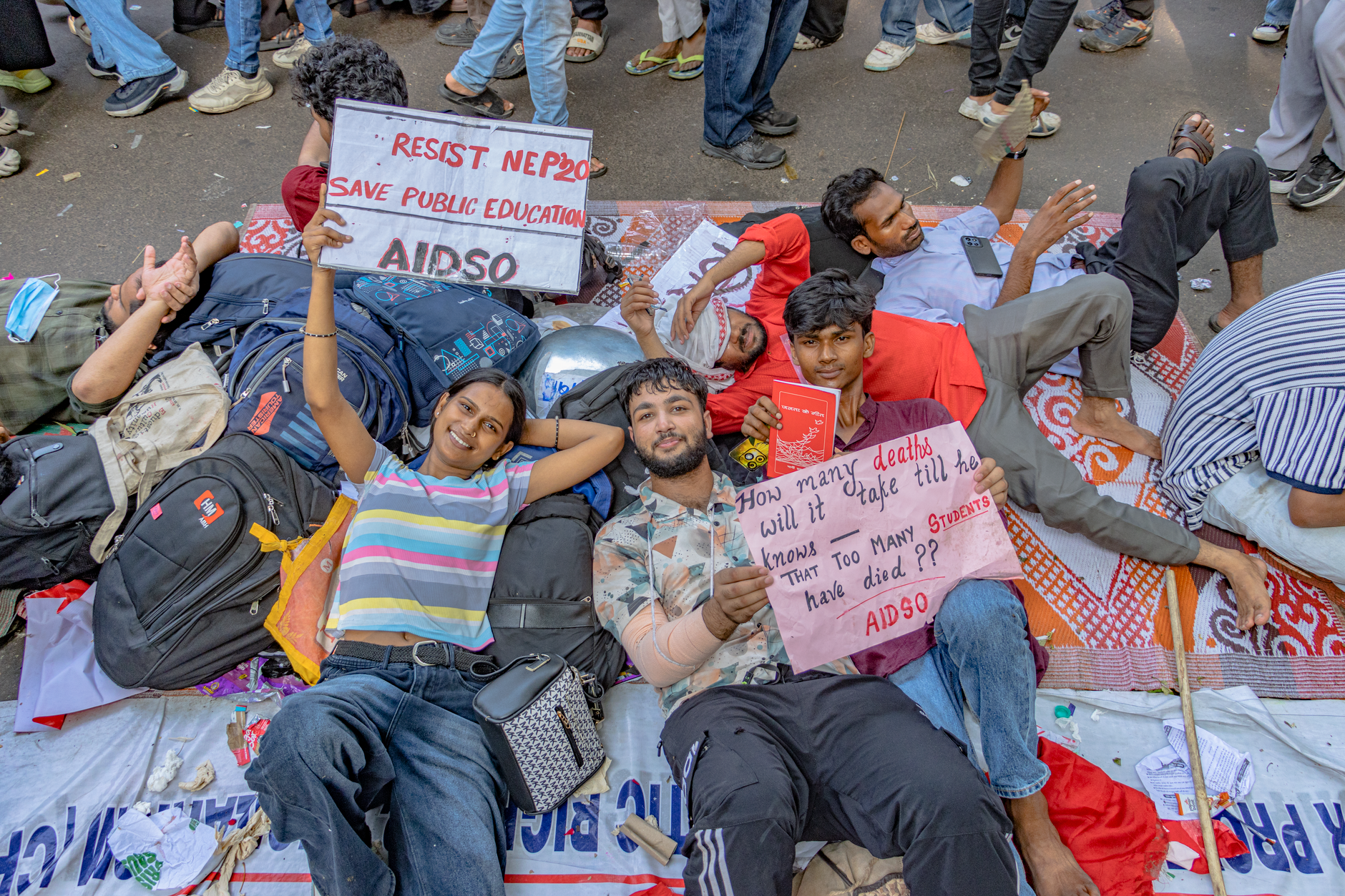
The resignation of India's Education Minister has sent shockwaves through the political establishment, coming as a direct result of persistent student-led protests that have gripped the nation in recent weeks. The development represents a rare instance of youth activism successfully pressuring a cabinet-level official to step down, highlighting the growing political consciousness among Indian students.
Background of the Protests
Student protests in India have historically played a crucial role in shaping educational policies, and this latest movement appears to continue that tradition. Young protesters took to the streets across major cities, demanding reforms to what they perceived as problematic aspects of the current education system. The demonstrations gained momentum through social media coordination and grassroots organizing, eventually becoming too significant for the government to ignore.
The protests reflected broader concerns among India's youth population about access to quality education, examination systems, fee structures, and the overall direction of educational reforms. Students argued that recent policy decisions had not adequately considered their perspectives or the ground realities faced by learners across the country's diverse educational landscape.
Key Demands of the Protesters
While student movements often encompass multiple grievances, several core demands typically emerge in such protests. These generally include concerns about affordability of education, particularly in higher education institutions where fees have been a contentious issue. Students also frequently raise questions about examination patterns, curriculum relevance, and the need for education systems to align with contemporary job market requirements.
Another common thread in student activism relates to reservation policies and access to educational opportunities for marginalized communities. India's affirmative action programs in education have long been subjects of intense debate, with various stakeholders holding strong positions on how these should be structured and implemented.
The Minister's Resignation
The decision by the Education Minister to resign represents a significant political development. Cabinet ministers in India's parliamentary system serve at the pleasure of the Prime Minister, and resignations at this level often signal either policy differences or response to public pressure. In this case, the resignation appears directly linked to the student protests, suggesting that the government assessed the political cost of maintaining the status quo as too high.
The timing of the resignation, coinciding with protesters declaring victory and ending their demonstrations, indicates a negotiated resolution. Such outcomes typically involve behind-the-scenes discussions between protest leaders, government officials, and potentially mediating figures who help broker agreements acceptable to both sides.
Implications for Education Policy
The resignation opens questions about the future direction of India's education policies. A new minister will likely bring fresh perspectives, though the extent of policy changes remains to be seen. Student activists will be watching closely to ensure that their concerns are addressed substantively, not merely symbolically through a ministerial change.
India's education sector faces numerous challenges, from improving learning outcomes in government schools to making higher education more accessible and relevant. The country's demographic dividend – its large youth population – makes education policy particularly critical for economic development and social mobility.
Youth Political Engagement
This episode underscores the growing political awareness and organizational capacity of Indian youth. Social media has transformed how young people mobilize, coordinate, and amplify their voices. Traditional barriers to organizing mass movements have lowered significantly, enabling students to build coalitions quickly and sustain pressure on decision-makers.
The success of these protests may embolden other student movements across the country, potentially leading to increased activism on education and related issues. Universities and colleges could see more organized student unions and greater demands for participatory decision-making in educational institutions.
What Comes Next
The immediate aftermath will likely involve discussions about policy reforms and the appointment of a new Education Minister. Students and education stakeholders will be hoping for meaningful consultations and evidence-based policy changes that address systemic issues rather than superficial adjustments.
For the broader political landscape, this development serves as a reminder of the power of organized civil society movements and the responsiveness required from governments in democratic systems. How the administration handles the transition and addresses student concerns will be closely monitored by observers across India's political spectrum.
The resignation marks not an end but potentially a new chapter in India's ongoing conversation about education reform, access, and quality in the world's most populous democracy.