India's education system has long been a subject of intense debate, with periodic protests highlighting everything from exam pressures to curriculum concerns. However, the country's recent wave of education reforms signals a more profound shift—one that goes beyond reactive policy adjustments to tackle fundamental challenges that have persisted for decades.
The Broader Context of Reform
While student protests have certainly brought attention to specific grievances, the current reforms reflect years of consultation, research, and recognition that India's education system requires structural transformation. The country faces the dual challenge of providing quality education to over 260 million students while preparing them for a rapidly evolving global economy.
These reforms acknowledge that education is no longer just about rote learning and standardized testing. They recognize the need for critical thinking, creativity, and practical skills that can help India leverage its demographic dividend rather than simply producing degree holders who struggle to find meaningful employment.
Key Areas of Transformation
The reforms touch multiple dimensions of the educational ecosystem. At the foundational level, there's a renewed emphasis on early childhood education, recognizing that cognitive development in the first few years is crucial for long-term learning outcomes. This represents a shift from viewing education as beginning at primary school to understanding it as a continuous journey from infancy.
Curriculum restructuring forms another pillar, with efforts to reduce content load while increasing depth of understanding. The traditional 10+2 structure is being reimagined to allow for more flexible learning pathways, enabling students to choose subjects based on interest rather than rigid science-commerce-arts divisions that have constrained generations of learners.
Skill Development and Employability
Perhaps the most significant aspect of these reforms is the integration of vocational education into mainstream schooling. Historically, vocational training has been viewed as a lesser alternative to academic education, contributing to the paradox of educated unemployment. By weaving skill development into regular curricula, the reforms aim to break down these artificial hierarchies and create multiple pathways to success.
This approach acknowledges ground realities—that not every student will or should pursue traditional college degrees, and that skilled trades and technical expertise are equally valuable. It also responds to industry demands for job-ready graduates rather than those who need extensive retraining after formal education.
Assessment and Examination Reform
The reforms also tackle India's notorious examination culture, which has driven countless students to extreme stress and, tragically, sometimes to suicide. Moving away from high-stakes single examinations toward continuous assessment and competency-based evaluation represents a fundamental philosophical shift.
This change recognizes that learning is a process, not a one-time performance, and that different students demonstrate knowledge in different ways. Reducing the emphasis on memorization in favor of application and analysis could help develop more well-rounded individuals capable of navigating complex real-world challenges.
Technology Integration
Digital infrastructure and technology-enabled learning form another crucial component. The reforms envision using technology not merely as a delivery mechanism but as a tool for personalized learning, enabling students to progress at their own pace and teachers to identify struggling learners early.
This became particularly relevant during the pandemic, which exposed vast digital divides. The reforms aim to bridge these gaps while leveraging technology to extend quality education to remote and underserved areas where teacher shortages and infrastructure limitations have historically constrained access.
Teacher Training and Empowerment
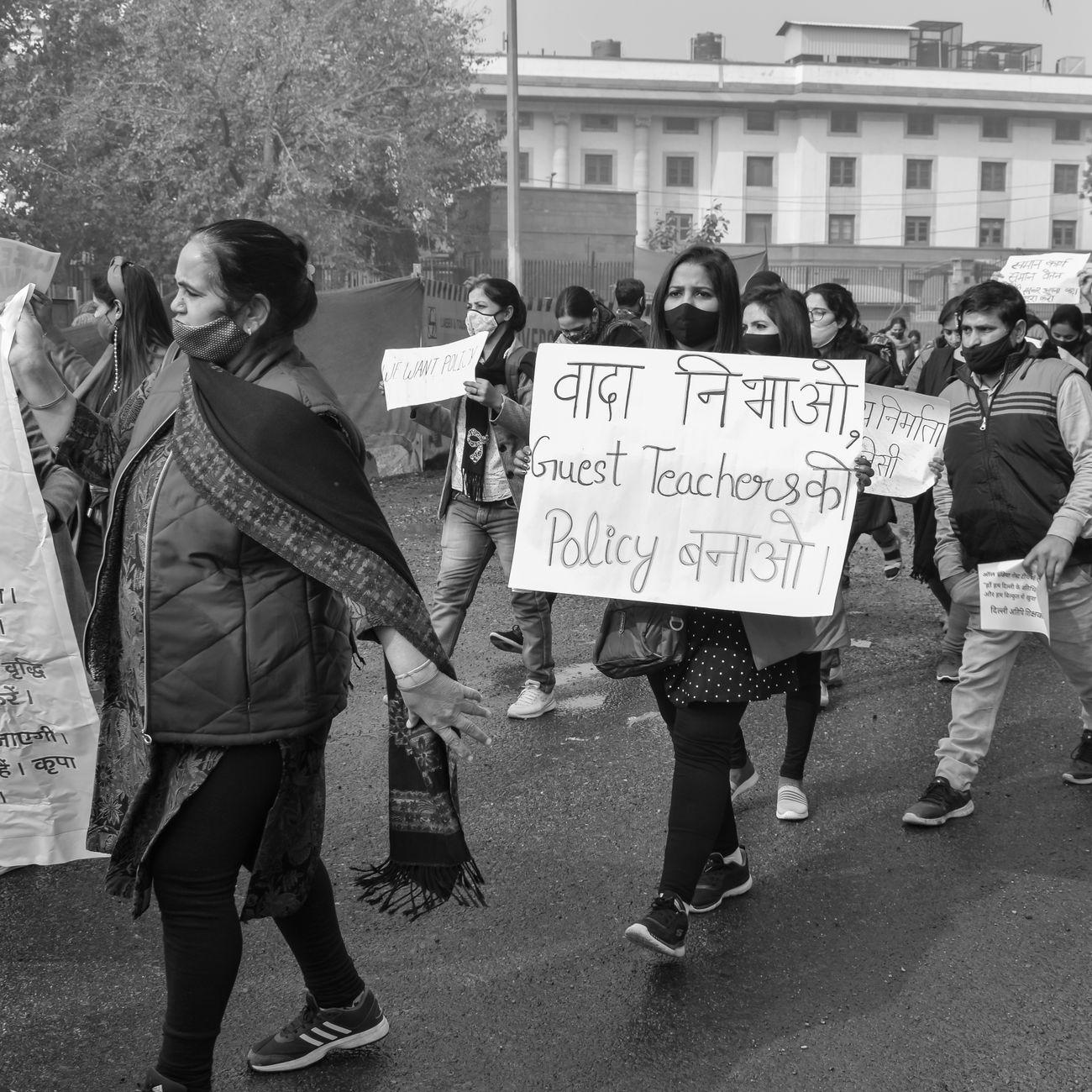
Recognizing that no reform succeeds without capable, motivated teachers, the initiatives include substantial focus on teacher training, professional development, and improved working conditions. This acknowledges that teachers have been burdened with excessive administrative tasks and outdated pedagogical approaches, limiting their effectiveness.
By investing in teacher quality and giving educators more autonomy in classroom practices, the reforms aim to transform teaching from a prescriptive, compliance-driven profession into one that attracts and retains talented individuals passionate about nurturing young minds.
Implementation Challenges
Despite their comprehensive vision, these reforms face significant implementation hurdles. India's vast diversity—linguistic, cultural, and economic—means one-size-fits-all solutions rarely work. State governments have varying capacities and political will to execute central policies, creating uneven outcomes.
Financial constraints also pose challenges, as meaningful educational transformation requires sustained investment in infrastructure, teacher salaries, and learning resources. Without adequate funding and monitoring mechanisms, even well-intentioned reforms risk becoming mere policy documents rather than lived realities for millions of students.
The success of India's education reforms will ultimately depend not on their theoretical soundness but on persistent, adaptive implementation that addresses ground-level challenges while maintaining the broader vision of creating an education system fit for the 21st century.