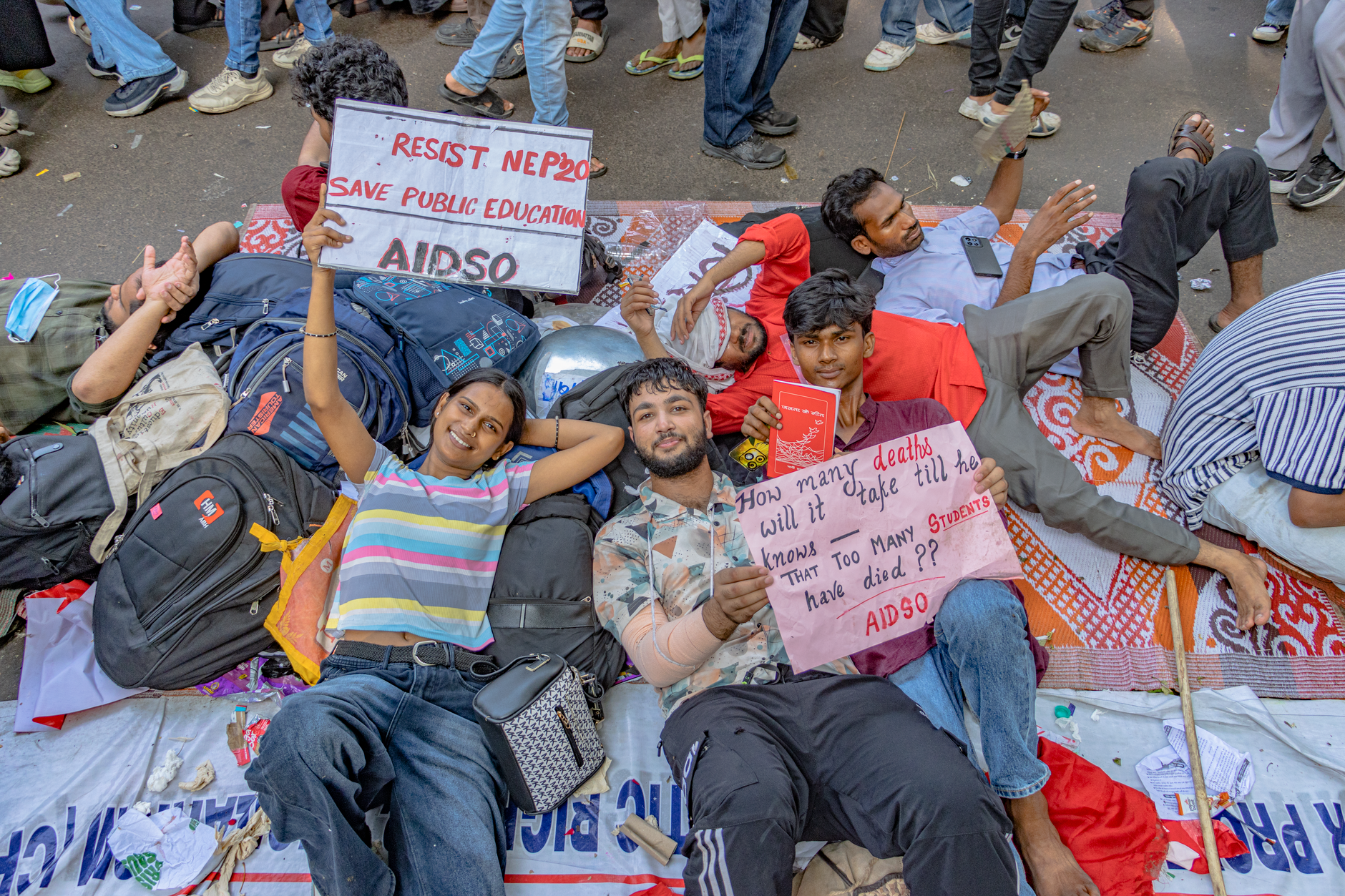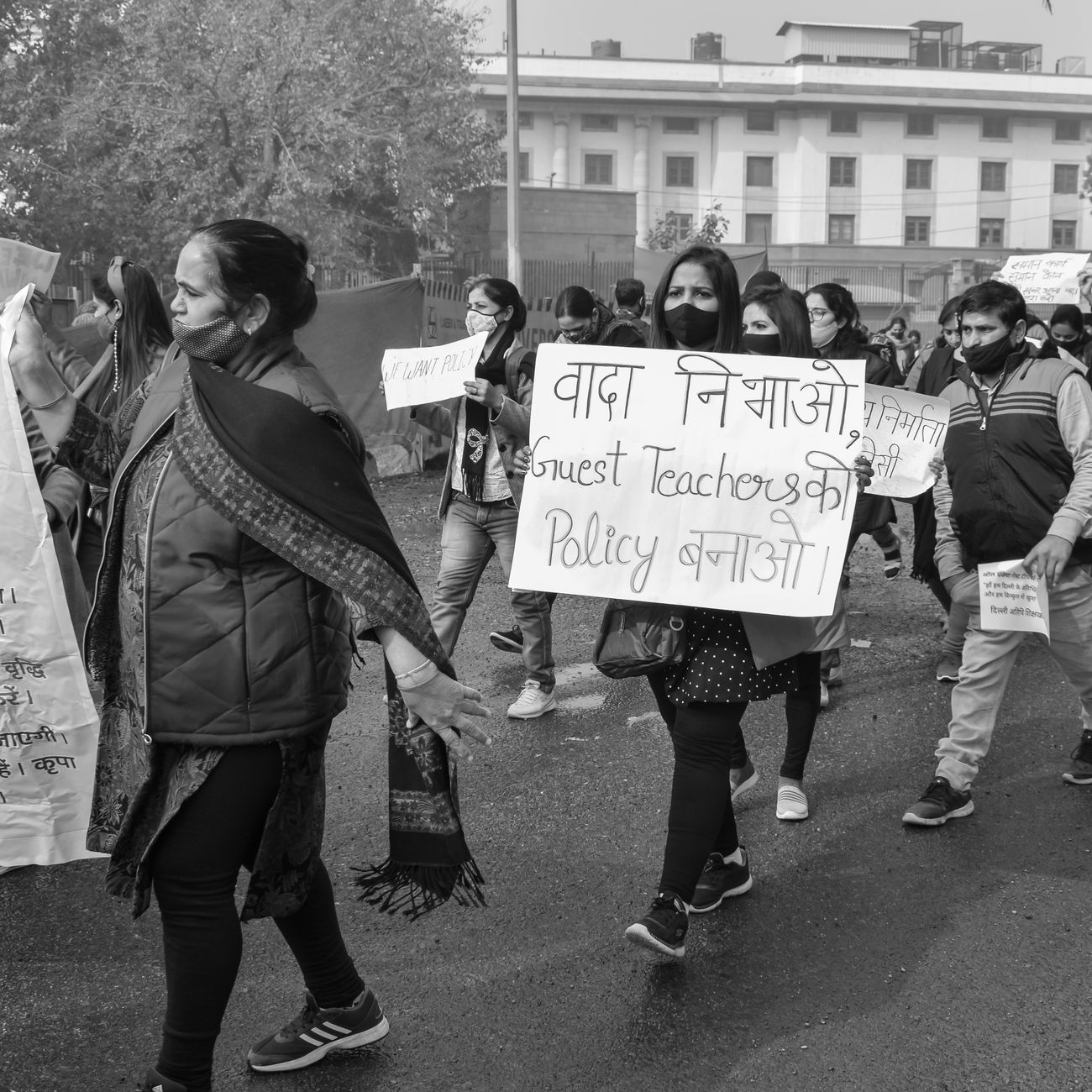
When students willingly starve themselves for two weeks to protest an examination system, it signals something fundamentally broken in how a nation evaluates academic merit. India's examination culture, built on colonial-era foundations and intensified by cutthroat competition, has reached a breaking point that's forcing young people into desperate measures.
The Pressure Cooker of Indian Education
India's education system revolves around a series of high-stakes examinations that can determine a student's entire future trajectory. From board exams in grades 10 and 12 to entrance tests for premier institutions like the IITs, NEET for medical colleges, and UPSC for civil services, these tests function as rigid gatekeepers. Unlike continuous assessment models used in many Western countries, Indian students often face single examinations where years of preparation culminate in a few hours that can make or break their careers.
The competition is staggering. Over 1.5 million students compete annually for roughly 16,000 seats in Indian Institutes of Technology. Medical entrance exams see similar ratios, with acceptance rates hovering around 1-2% for top institutions. This scarcity transforms education from learning into a survival game.
Why Students Are Protesting
Recent protests have centered around several recurring grievances. Students frequently cite irregularities in examination conduct, including paper leaks, technical glitches in computer-based tests, arbitrary changes to exam patterns, and delays in result declarations that impact their academic timelines.
The mental health toll has become impossible to ignore. India has one of the world's highest student suicide rates, with Kota, Rajasthan—a coaching hub for engineering and medical entrance exams—becoming synonymous with exam-related student deaths. The pressure comes not just from the system but from families who invest life savings into coaching classes, viewing their children's success as the pathway out of economic struggle.
The Coaching Industry Complex
The examination system has spawned a parallel coaching industry worth billions of dollars. Students as young as 13 or 14 migrate to coaching centers, spending 12-14 hours daily preparing for exams they'll take years later. This ecosystem has created perverse incentives where rote memorization trumps genuine understanding, and a student's worth is reduced to their rank in a competitive exam.
Many argue this approach stifles creativity and critical thinking. Students memorize formulas and facts without understanding applications, preparing specifically to crack exams rather than to learn their subjects deeply.
Systemic Issues Beyond Individual Exams
The examination crisis reflects deeper problems in Indian education. The country suffers from a severe shortage of quality higher education institutions. While India has a young population hungry for education, infrastructure hasn't kept pace. This scarcity justifies the competitive examination model as a "fair" way to allocate limited seats, even as it creates tremendous psychological pressure.
Additionally, Indian society's emphasis on certain "prestigious" careers—engineering, medicine, civil services—means students face family and social pressure to pursue paths they may not want. The examination system reinforces these narrow definitions of success.
Calls for Reform
Education reformers have long advocated for multiple changes. These include expanding quality higher education institutions to reduce competition intensity, implementing holistic admission processes considering projects, extracurriculars, and continuous assessment rather than single exams, establishing robust grievance redressal mechanisms for examination irregularities, and creating mental health support systems in schools and coaching centers.
The National Education Policy 2020 promised some reforms, including reducing board exam stress and promoting multidisciplinary learning, but implementation remains slow and uneven.
The Path Forward
When students resort to hunger strikes, they're signaling that incremental changes won't suffice. The examination system requires fundamental reimagining—one that values learning over ranking, recognizes diverse talents beyond test-taking ability, and doesn't stake entire futures on single assessments.
Other countries have successfully moved away from high-stakes testing toward more balanced systems. Indian policymakers need to study these models while considering India's unique scale and diversity challenges.
The desperation driving these protests should serve as a wake-up call. An education system that pushes students to such extremes isn't selecting the best minds—it's traumatizing an entire generation. Real reform requires not just fixing technical issues with specific exams but rethinking what education should accomplish and how we measure genuine learning and capability.