When India's athletes stepped onto the field at the Commonwealth Games in Glasgow, they carried not just the hopes of a nation but the protection of an invisible shield—a meticulously planned medical infrastructure designed to keep them healthy and competitive. Dr. Dinshaw Pardiwala, a leading sports medicine expert, recently shed light on the extensive health measures that ensured no athlete fell victim to seasonal flu or other illnesses during the prestigious event.
The Challenge of International Sporting Events
Major sporting competitions present unique health challenges for participating nations. Athletes travel across continents, face climate changes, encounter unfamiliar environments, and push their bodies to extreme limits—all factors that can compromise immunity. The Commonwealth Games, gathering thousands of athletes from diverse regions, creates the perfect storm for disease transmission, particularly respiratory infections like influenza.
For Team India's medical contingent, preventing illness wasn't just about comfort—it directly impacted medal prospects. A single flu outbreak could sideline key athletes, derail months of training, and dash Olympic-level dreams. The stakes demanded nothing less than a comprehensive health strategy.
Preventive Medicine Takes Center Stage
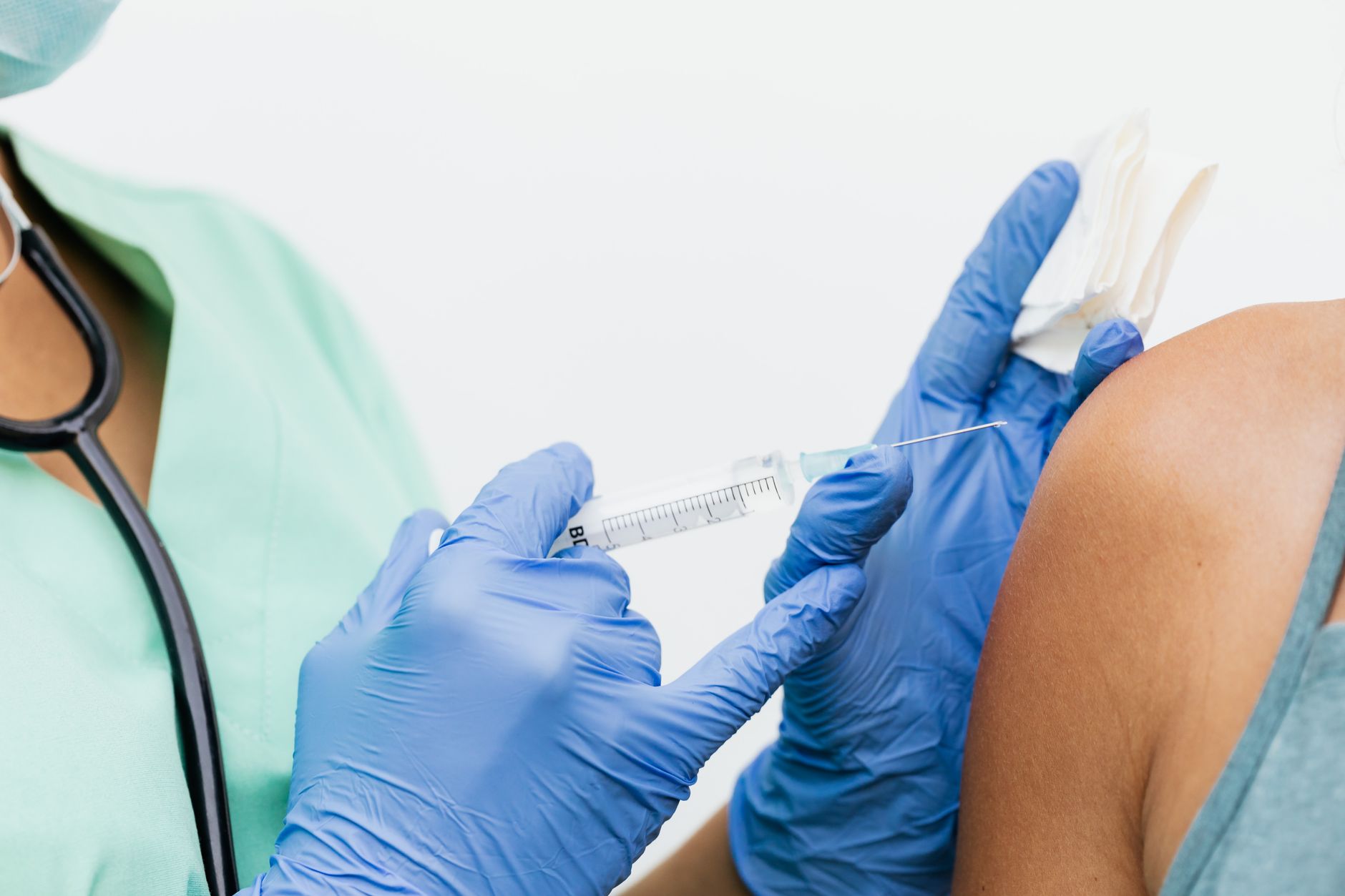
The foundation of India's health protocol began weeks before athletes boarded flights to Glasgow. Medical teams conducted thorough health screenings, ensuring every team member was in optimal condition. Vaccination programs were prioritized, with flu shots administered well in advance to allow immunity to develop.
- Pre-departure health assessments for all athletes and support staff
- Comprehensive vaccination programs including seasonal influenza vaccines
- Individual health profiles created for personalized monitoring
- Educational sessions on hygiene practices and infection prevention
Dr. Pardiwala emphasized that prevention extended beyond injections. Athletes received detailed briefings on hand hygiene, respiratory etiquette, and recognizing early symptoms of illness. The medical team distributed personal hygiene kits and established strict protocols for shared spaces like dining halls and training facilities.
On-Ground Medical Infrastructure
Once in Glasgow, India's medical team established a mini-hospital within the Games village. This wasn't merely a first-aid station but a fully equipped facility capable of diagnosing and treating various conditions. Round-the-clock medical surveillance ensured that any hint of illness was caught early.
The team implemented environmental controls in India's accommodation areas, including air quality monitoring, regular sanitization of common areas, and temperature regulation. Athletes were grouped strategically to minimize cross-exposure, and isolation protocols were ready for immediate deployment if anyone showed symptoms.
Nutrition and Immunity Boosting
Recognizing that immunity starts in the gut, nutritionists worked alongside doctors to ensure athletes received immune-supporting diets. Meals were carefully planned to include adequate vitamins, minerals, and antioxidants. Special attention was paid to hydration levels, particularly important for athletes competing in demanding events.
The medical team also monitored sleep patterns and recovery, understanding that rest is crucial for immune function. Athletes received guidance on managing jet lag and maintaining circadian rhythms despite the competitive schedule.
Real-Time Health Monitoring
Perhaps the most innovative aspect of India's health shield was continuous monitoring. Athletes underwent daily health checks, including temperature screening and symptom questionnaires. Any deviation from baseline triggered immediate medical review.
This proactive approach meant potential problems were identified before they became serious. Athletes showing fatigue or minor symptoms received immediate intervention—rest, hydration, supplements, or medication as appropriate—preventing minor issues from escalating into performance-limiting illnesses.
The Psychological Dimension
The medical team understood that health isn't purely physical. Stress and anxiety can suppress immunity, so mental health support was integrated into the overall health strategy. Sports psychologists worked to keep athletes mentally resilient, reducing stress-related immune suppression.
Lessons for Future Competitions
India's success in maintaining athlete health at Glasgow offers a blueprint for future international competitions. The integration of preventive medicine, environmental controls, nutrition, and mental health support creates a holistic health shield that can be adapted for various sporting events.
As international sports competition intensifies and athletes face increasingly demanding schedules, such comprehensive medical support becomes not just advantageous but essential. Dr. Pardiwala's revelations highlight how modern sports medicine has evolved from treating injuries to creating complete health ecosystems that maximize athletic performance.
The "no flu on our watch" achievement represents more than disease prevention—it demonstrates how medical science, when properly applied, becomes an integral part of sporting success. For nations aspiring to sporting excellence, the message is clear: elite performance requires elite health management.