India faces increasingly severe heat waves each year, with temperatures regularly exceeding 45°C in many states during summer months. Despite the establishment of heat action plans in several cities and states, public health experts are raising concerns that these initiatives miss critical elements of an effective health-based response to extreme heat.
The current approach to heat management in India largely emphasizes warnings and advisories, asking people to stay indoors during peak hours and remain hydrated. While these are important messages, they fail to address the fundamental reality that millions of Indians cannot simply avoid outdoor activity during dangerous heat conditions due to economic necessity.
The Gap Between Advice and Reality
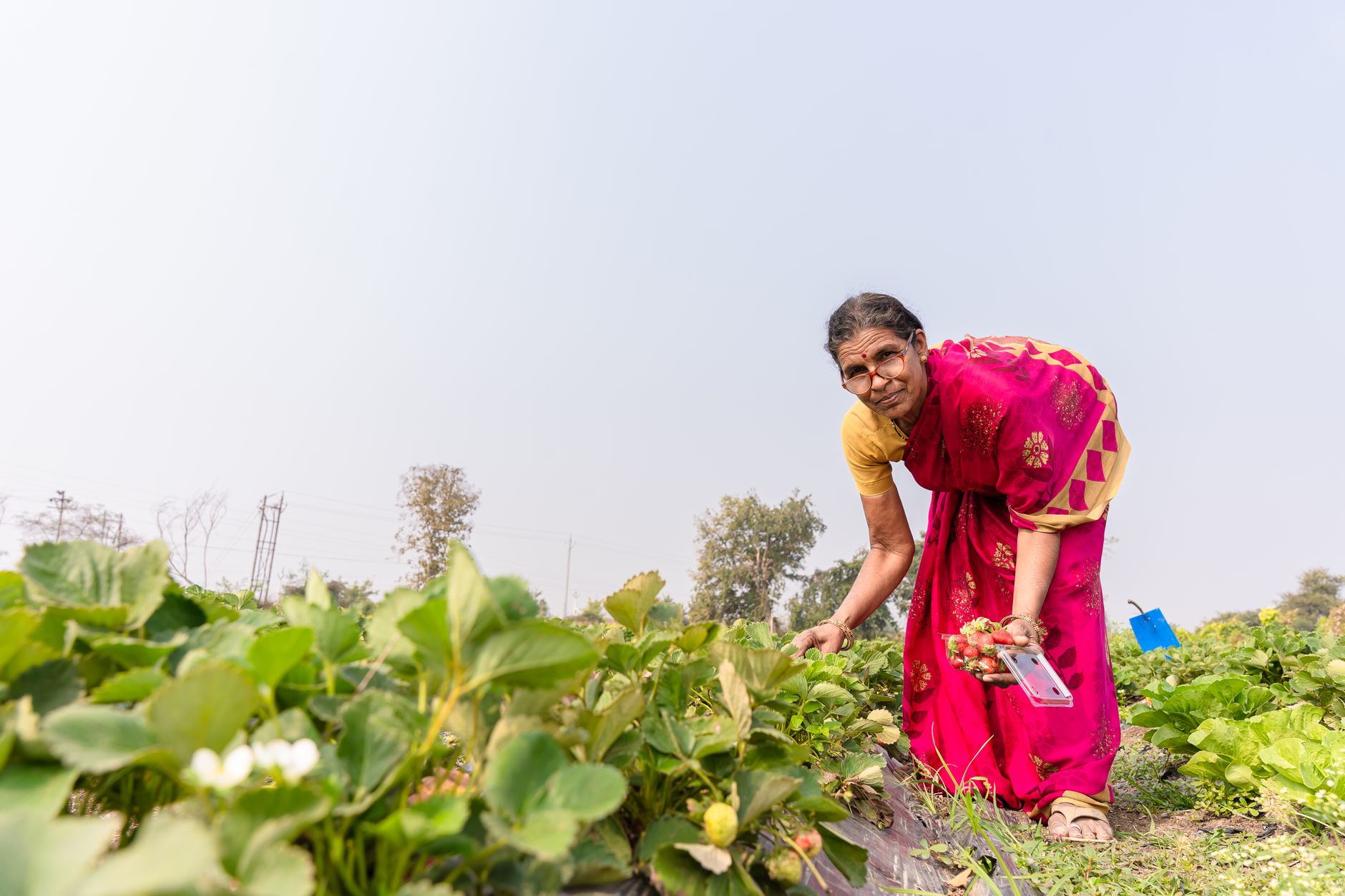
Construction workers, street vendors, agricultural laborers, and delivery personnel represent just some of the workers who must continue outdoor work regardless of temperature. For these populations, advisory-based heat action plans offer little practical protection. A laborer who earns daily wages cannot afford to stay home when heat warnings are issued, creating a disconnect between public health recommendations and lived experience.
The absence of mandatory workplace protections during extreme heat periods represents a significant oversight. Unlike many developed nations that enforce heat stress protocols for outdoor workers, India lacks comprehensive occupational safety standards for heat exposure. This leaves workers vulnerable to heat stroke, dehydration, and other heat-related illnesses without adequate safeguards.
Infrastructure Deficits Compound Health Risks
Public health logic would suggest that heat action plans should prioritize access to cooling infrastructure for vulnerable populations. However, many Indian cities lack sufficient public cooling centers, shaded rest areas, or accessible drinking water stations in areas where outdoor workers congregate.
Urban planning in many Indian cities has reduced green cover and increased heat-absorbing concrete surfaces, creating urban heat islands where temperatures exceed surrounding areas by several degrees. A public health-centered approach would integrate heat mitigation into urban development policies, mandating tree cover, reflective surfaces, and cooling infrastructure in new construction.
Power cuts during peak summer months further compromise heat response, as vulnerable populations lose access to fans and coolers precisely when they need them most. The intersection of energy infrastructure challenges and climate-driven heat waves creates a compounding health crisis that current plans inadequately address.
Vulnerable Populations Overlooked
Elderly individuals, pregnant women, children, and those with chronic health conditions face elevated risks during heat waves. Yet heat action plans rarely include targeted interventions for these groups, such as community health worker outreach, temporary relocation assistance, or subsidized cooling equipment.
Rural areas face particular challenges, as heat action plans have primarily focused on urban centers. Agricultural workers endure prolonged sun exposure without adequate rest facilities, water access, or health monitoring. The lack of rural health infrastructure means heat-related illnesses often go unreported and untreated until they become critical.
Homeless populations and slum dwellers living in tin-roofed structures face extreme indoor temperatures with no means of cooling, yet they remain largely invisible in heat response planning.
What a Public Health Approach Would Include
An evidence-based public health response to heat would incorporate several elements currently missing from India's approach:
- Mandatory heat exposure limits for outdoor workers with enforced rest periods
- Widespread establishment of public cooling centers in vulnerable neighborhoods
- Free or subsidized access to cooling equipment for low-income households
- Integration of heat mitigation into building codes and urban planning regulations
- Robust heat health surveillance systems to track morbidity and mortality
- Community health worker programs for door-to-door outreach during extreme heat events
- Emergency protocols for power backup in vulnerable areas during heat waves
- Revision of school schedules and examination periods to avoid peak heat months
- Public awareness campaigns in regional languages addressing specific local risks
Moving Toward Comprehensive Heat Health Policy
Climate projections indicate that heat waves in India will become more frequent, intense, and prolonged in coming decades. Without fundamental shifts in heat response strategy, preventable deaths and illness will continue to rise.
A truly public health-centered approach requires viewing extreme heat not merely as a weather event requiring warnings, but as a health emergency demanding structural interventions. This means political will, budget allocation, and regulatory frameworks that prioritize human health over convenience or economic considerations.
The gap between current heat action plans and what public health science recommends reflects broader challenges in India's approach to climate adaptation. Bridging this gap will require acknowledging that protective infrastructure, workplace regulations, and social safety nets are not optional add-ons but essential components of keeping people alive and healthy in a warming climate.
This article provides general information about public health policy and should not be considered medical advice. Readers experiencing heat-related symptoms should seek immediate medical attention from qualified healthcare professionals.