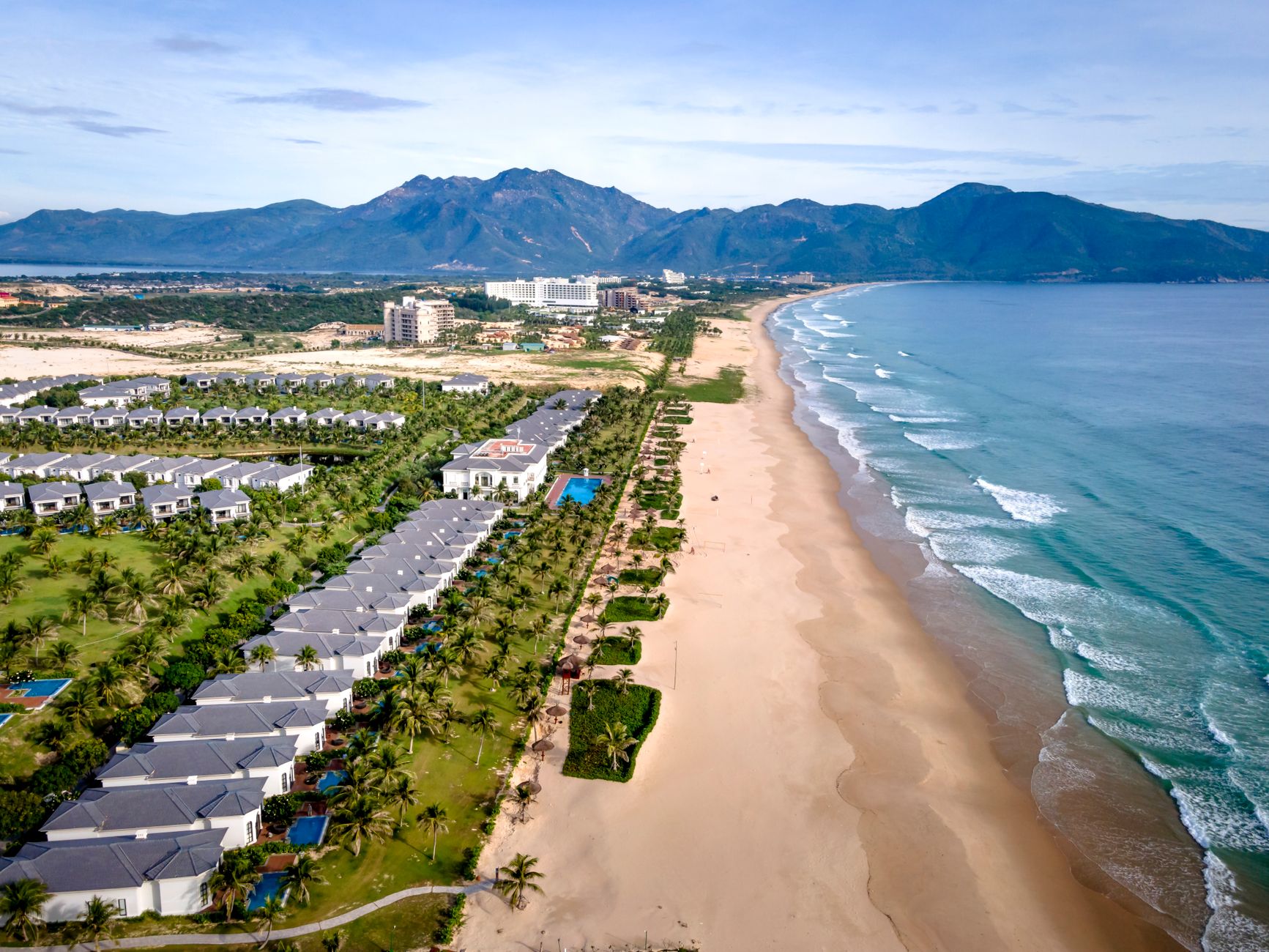
India's tourism sector is witnessing a transformative moment as the government unveils a comprehensive package of investment incentives aimed at attracting international hotel chains and boosting luxury resort development across southern states. This strategic initiative marks a significant shift in India's tourism policy, moving beyond budget and mid-range accommodations toward establishing the country as a competitive player in the global luxury hospitality market.
The Strategic Incentives Package
The new investment framework reportedly includes a combination of tax breaks, simplified land acquisition processes, and infrastructure support for developers willing to establish premium hospitality properties in targeted regions. These incentives are designed to reduce the initial capital burden and operational costs that have traditionally deterred international hotel brands from expanding aggressively in India.
Key components of the incentive structure include reduced goods and services tax (GST) rates for luxury hotel construction materials, expedited environmental and regulatory clearances, and potential subsidies for sustainable tourism infrastructure. Additionally, the government appears to be offering preferential treatment for projects that demonstrate commitment to local employment and skill development programs.
Why Southern States Are the Focus
Southern India has emerged as the focal point of this luxury hospitality expansion for several compelling reasons. States like Kerala, Karnataka, Tamil Nadu, and Goa already possess natural advantages including pristine coastlines, backwaters, wildlife sanctuaries, and cultural heritage sites that appeal to affluent international travelers.
The region's existing tourism infrastructure is relatively developed compared to other parts of India, with better road connectivity, international airports, and a more established service culture. Kerala's backwaters and Ayurvedic wellness tourism, Karnataka's tech-hub accessibility in Bangalore combined with heritage sites like Hampi, and Goa's beach resort culture provide diverse options for luxury development.
Furthermore, southern states have demonstrated more progressive governance and willingness to partner with private developers, creating a more favorable business environment for international hospitality groups.
Global Hotel Chains Eyeing India
International luxury hotel brands have long viewed India as an under-penetrated market with enormous potential. Groups like Marriott International, Hilton, Accor, and IHG Hotels & Resorts have existing footprints in major cities but limited presence in resort destinations outside Goa and select Kerala locations.
The new incentives could accelerate expansion plans for these brands, particularly in the ultra-luxury segment where brands like Four Seasons, Aman Resorts, and Ritz-Carlton see opportunities to cater to both international tourists and India's growing wealthy class seeking domestic luxury getaways.
Economic Impact and Employment Generation
The hospitality sector's expansion carries significant economic implications. Luxury resorts typically require extensive support staff, creating both direct employment in hotels and indirect opportunities in transportation, food supply, handicrafts, and local tourism services.
Each major resort development can generate hundreds of jobs during construction and permanent positions once operational. Additionally, the multiplier effect of tourism spending benefits local economies far beyond the hotel properties themselves, supporting restaurants, tour operators, artisans, and small businesses.
Infrastructure Development Challenges
Despite the attractive incentives, developers will still face infrastructure challenges in some southern regions. Water scarcity during certain seasons, waste management systems inadequate for luxury standards, and power supply reliability remain concerns in less developed coastal and rural areas.
The success of this initiative will partly depend on parallel government investment in roads, airports, water treatment facilities, and digital connectivity. Some analysts suggest that coordinated infrastructure development must accompany the hospitality incentives to ensure sustainable growth.
Sustainability and Community Concerns
The rapid expansion of luxury resorts raises important questions about environmental sustainability and community impact. Coastal development can threaten fragile ecosystems, while large-scale tourism can strain local resources and displace traditional livelihoods.
Progressive developers are increasingly adopting sustainable building practices, water recycling systems, and community partnership models that ensure local populations benefit from tourism growth rather than being marginalized by it. The government's regulatory framework will need to balance growth ambitions with environmental protection and social equity.
Timeline and Expected Outcomes
With a 2026 target date, the initiative suggests that India aims to have significant new luxury capacity operational within the next two years. This timeline aligns with global tourism recovery projections following recent disruptions and positions India to capture growing demand from affluent travelers seeking new destinations.
Success will be measured not just in room inventory added but in India's ability to climb global rankings as a luxury destination, attract higher-spending tourists, and extend average visitor stays beyond the typical short city-focused trips.
This article is for general informational purposes only and does not constitute investment, business, or travel advice. Readers considering investment in Indian hospitality should conduct thorough due diligence and consult with qualified legal and financial advisors familiar with current regulations and market conditions.