The Ministry of Health and Family Welfare has announced remarkable growth in India's medical education capacity, with the country now housing 844 medical colleges that collectively offer 1,39,489 MBBS seats and 86,360 postgraduate medical seats. This expansion represents a crucial step toward addressing the nation's healthcare workforce shortage and improving the doctor-to-patient ratio.
Understanding the Current Medical Education Landscape
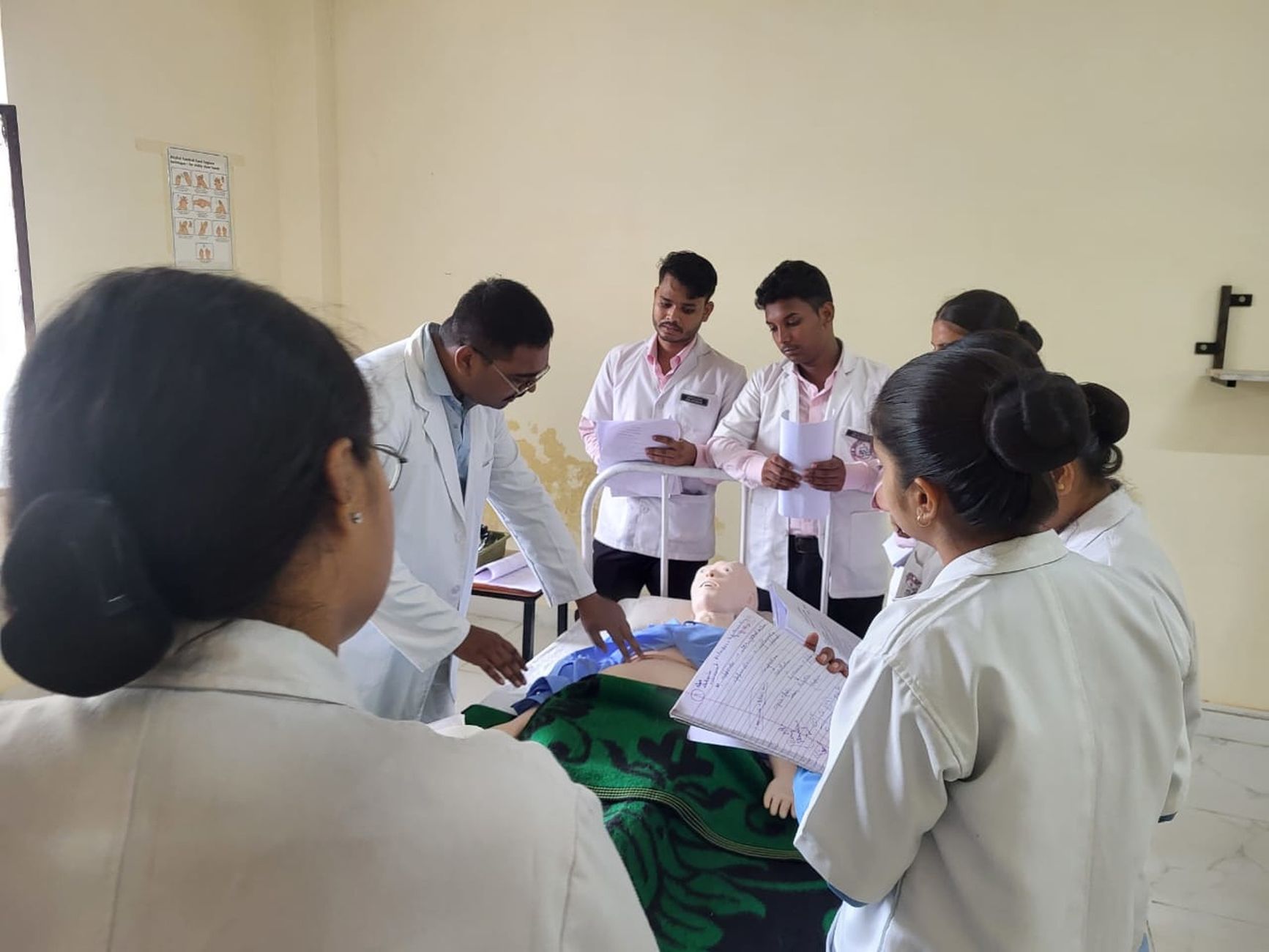
India's medical education system has undergone substantial transformation over the past decade. The government has actively encouraged the establishment of new medical colleges, particularly in underserved districts and states that previously lacked adequate medical training facilities. This push aims to ensure equitable distribution of healthcare professionals across urban and rural areas.
The increase in seat numbers reflects a multi-pronged approach involving both government and private sector participation. Many district hospitals have been upgraded to host medical colleges, while existing institutions have expanded their intake capacity following infrastructure improvements and faculty additions.
Breaking Down the Numbers
The 1,39,489 MBBS seats represent the entry point for aspiring doctors across the country. These seats are distributed among:
- Central government medical colleges
- State government medical colleges
- Private medical colleges
- Deemed universities offering medical courses
- AIIMS and other institutions of national importance
The 86,360 postgraduate seats include various specializations such as MD (Doctor of Medicine), MS (Master of Surgery), and diploma courses. Specialties range from general medicine and surgery to super-specialties like cardiology, neurosurgery, and oncology.
Impact on Healthcare Accessibility
This expansion in medical education capacity has several far-reaching implications for India's healthcare ecosystem. With more doctors being trained annually, the country moves closer to achieving the World Health Organization's recommended doctor-to-population ratio of 1:1000. Currently, India's ratio remains below this benchmark, making the addition of medical seats critical.
Increased postgraduate seats are particularly significant as they address the shortage of specialists in the country. Many tier-2 and tier-3 cities lack adequate specialized healthcare services, and producing more specialist doctors can help bridge this gap.
Regional Distribution and Challenges
While the overall numbers are encouraging, the distribution of medical colleges and seats across states remains uneven. Some states have witnessed rapid expansion, while others continue to face challenges in establishing new institutions due to infrastructure constraints, faculty shortages, and regulatory hurdles.
The National Medical Commission, which replaced the Medical Council of India, has been working to streamline the approval process for new medical colleges while maintaining quality standards. The commission has also introduced reforms in medical education curriculum and examination systems.
Quality Versus Quantity Debate
The rapid expansion of medical education capacity has sparked discussions about maintaining educational quality. Critics argue that simply increasing seat numbers without corresponding improvements in teaching faculty, clinical exposure, and infrastructure may dilute the quality of medical education.
Key concerns include:
- Faculty shortage in many new and existing medical colleges
- Inadequate patient load in some teaching hospitals for clinical training
- Variable infrastructure standards across institutions
- Need for continuous faculty development and updated curricula
Regulatory bodies have responded by implementing stricter monitoring mechanisms, mandatory faculty-student ratios, and periodic inspections to ensure compliance with minimum standards.
The Road Ahead
The government has set ambitious targets for further expansion, with plans to establish at least one medical college in every district where none currently exists. This would particularly benefit aspirational districts and regions with limited access to medical education and healthcare services.
Additionally, there is increasing focus on:
- Enhancing rural postings and incentives for doctors
- Improving medical infrastructure in tier-2 and tier-3 cities
- Promoting research and innovation in medical education
- Increasing seats in super-specialty courses
- Strengthening public health and community medicine training
The expansion of medical education capacity represents a significant investment in India's healthcare future, potentially transforming access to medical services across the country while providing opportunities for millions of aspiring medical professionals.
This article is for general informational purposes only and presents publicly available data regarding medical education in India. Readers seeking specific information about medical college admissions or healthcare policies should consult official government sources and authorized medical education regulatory bodies.