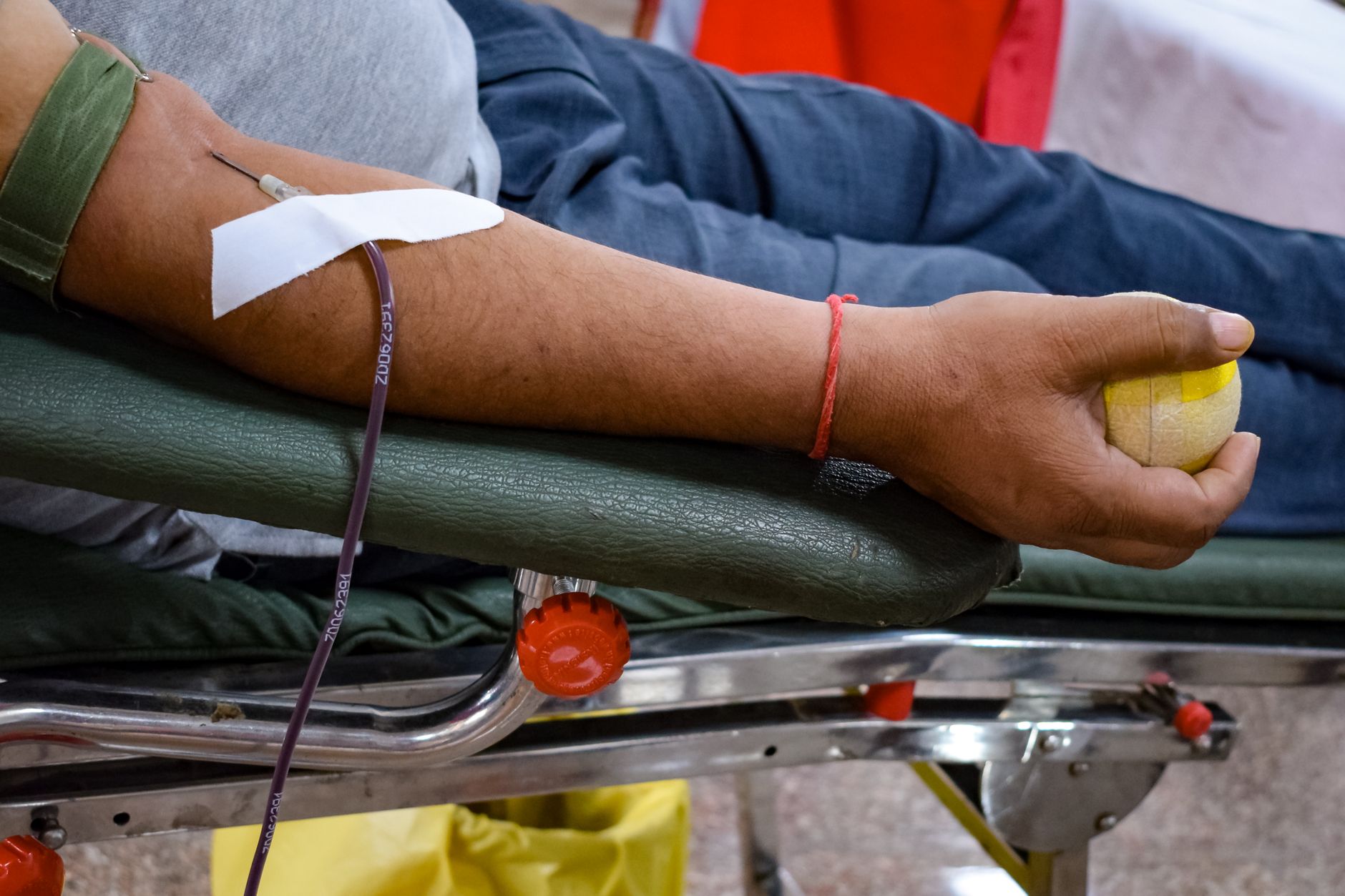
In a healthcare landscape often criticized for complex billing processes and financial barriers, a revolutionary hospital model is gaining attention for its innovative approach to patient care. India's pioneering "No Billing Counter" hospital has announced the launch of four new super-speciality departments, marking a significant expansion of a concept designed to eliminate one of healthcare's most stressful touchpoints.
Understanding the No Billing Counter Concept
The no billing counter model represents a fundamental reimagining of how healthcare services are delivered and paid for. Unlike traditional hospitals where patients must navigate multiple payment points—admission counters, pharmacy windows, diagnostic centers, and discharge desks—this system consolidates all financial transactions into a simplified, behind-the-scenes process.
Patients receive comprehensive care without repeatedly stopping to make payments or collect receipts. Instead, all charges are aggregated and settled through a single, streamlined transaction, typically handled by corporate insurance providers, third-party administrators, or pre-arranged payment mechanisms.
This approach addresses a common complaint in Indian healthcare: the administrative burden placed on patients and their families during medical emergencies or treatments. By removing visible billing counters from patient pathways, hospitals can create a more dignified, less transactional care environment.
The Expansion into Super-Specialities
The addition of four new super-speciality departments signals the hospital's confidence in scaling this model beyond general medicine. Super-speciality care—which includes advanced treatments in cardiology, neurology, oncology, orthopedics, and other highly specialized fields—typically involves complex, multi-stage treatments with varied cost structures.
Applying the no billing counter model to these departments presents unique challenges. Super-speciality treatments often require expensive diagnostics, specialized medications, sophisticated equipment, and extended hospital stays. Coordinating financial settlements without patient interaction at each stage demands robust backend systems and strong partnerships with insurance providers and corporate clients.
The expansion suggests that the administrative infrastructure supporting this model has matured sufficiently to handle high-value, complex medical cases without compromising transparency or financial accountability.
How Corporate Healthcare Partnerships Enable This Model
The no billing counter hospital concept relies heavily on corporate healthcare arrangements. Companies increasingly provide comprehensive health insurance or direct healthcare coverage for employees as part of benefits packages. These corporate tie-ups create predictable patient volumes and standardized payment protocols that make cashless, counter-free operations viable.
Key enablers include:
- Pre-negotiated treatment packages with fixed costs for specific procedures
- Direct settlement arrangements between hospitals and insurance companies
- Digital integration systems that track services and automatically generate claims
- Corporate health cards or employee identification that authorize cashless treatment
- Network agreements that establish approved providers and standardized quality benchmarks
This ecosystem reduces friction for all parties. Employees access care without upfront payments, employers benefit from negotiated rates and healthier workforces, and hospitals gain steady patient flow with reduced collection risks.
Benefits Beyond Billing Convenience
While eliminating billing counters offers obvious convenience, the model delivers several additional advantages. Patient stress levels decrease when families aren't forced to arrange funds during medical emergencies. Clinical staff can focus on care delivery rather than payment collection or billing disputes.
The approach also promotes transparency. With consolidated billing, patients receive comprehensive cost breakdowns rather than fragmented receipts from multiple departments. This makes it easier to understand total treatment expenses and identify cost drivers.
Furthermore, the system can improve treatment adherence. When patients don't face immediate payment demands for each diagnostic test or medication, they're more likely to complete recommended treatment protocols rather than skipping steps due to cost concerns.
Challenges and Scalability Questions
Despite its promise, the no billing counter model faces implementation challenges. It works best with insured or corporate-backed patients, potentially creating access inequities if cash-paying patients face different processes. The system requires sophisticated information technology infrastructure to track services, prevent fraud, and reconcile accounts accurately.
Scaling this model across India's diverse healthcare landscape—where insurance penetration remains incomplete and out-of-pocket expenditure dominates—will require creative adaptations. Success may depend on expanding insurance coverage, developing alternative payment mechanisms for non-corporate patients, and building trust in cashless systems.
The expansion into super-specialities will test whether this approach can maintain efficiency and patient satisfaction when dealing with high-cost, long-duration treatments that traditional models handle through staged payments.
Implications for Indian Healthcare Evolution
As this hospital expands its no billing counter operations, it offers a case study in healthcare delivery innovation. If successful, the model could influence hospital design, insurance product development, and patient expectations across India's rapidly evolving healthcare sector.
This article is for general informational purposes only and should not be considered medical or financial advice. Healthcare decisions should be made in consultation with qualified medical professionals, and financial arrangements should be verified with relevant insurance providers or healthcare institutions.