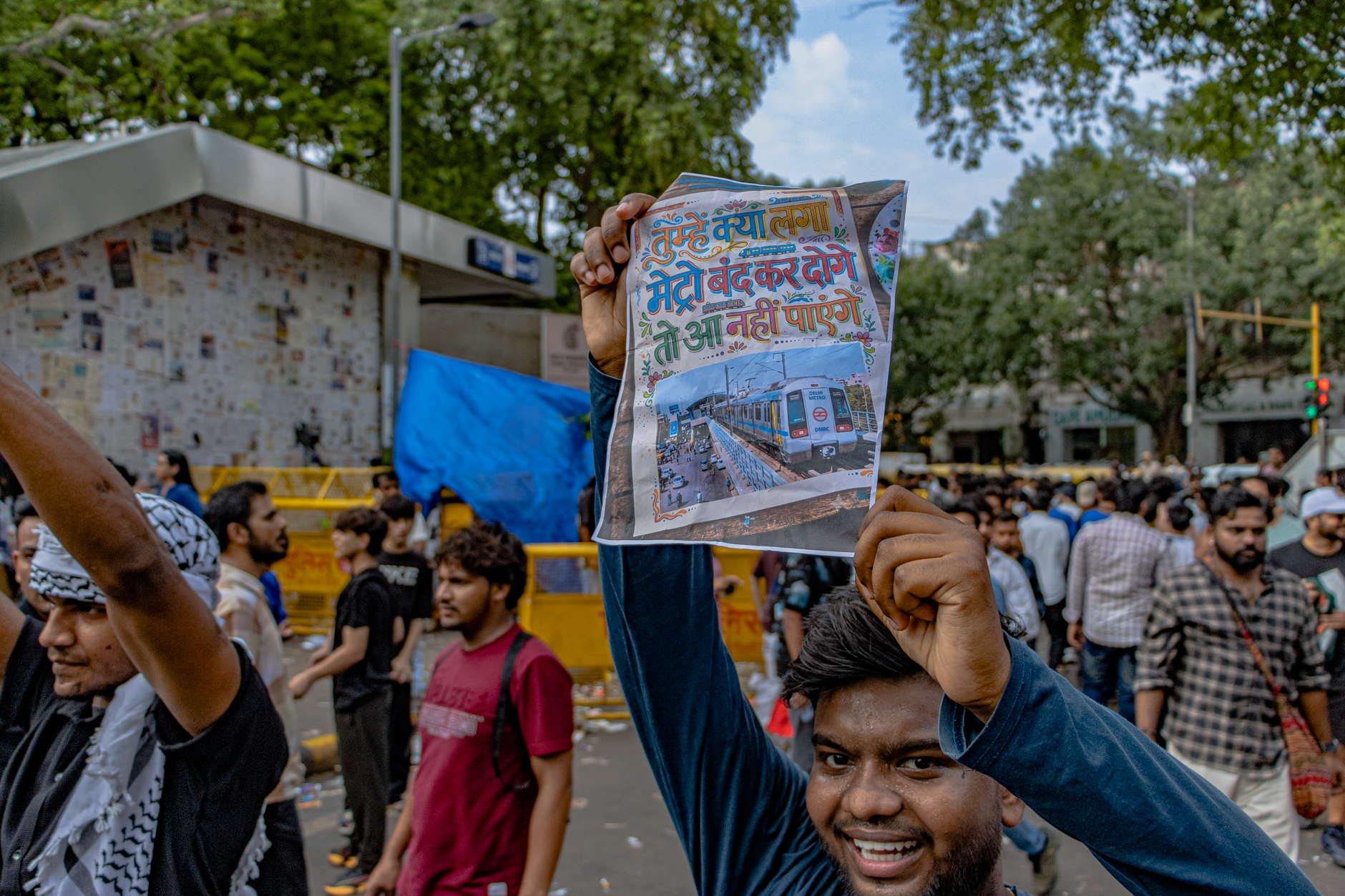
The recent sacking of an Indian education minister has brought renewed attention to the student-led 'Cockroach' movement, a grassroots protest campaign that has been gaining momentum across educational institutions in India. The movement's success in achieving a high-profile political consequence has left many wondering what direction this student activism will take next and whether it signals a broader shift in how education policy is shaped in the country.
Understanding the Cockroach Movement
The 'Cockroach' moniker adopted by student protesters carries symbolic significance. Much like the resilient insect that survives in adverse conditions and is difficult to eliminate, student activists have used this identity to represent their persistence in the face of institutional resistance. The movement has primarily focused on addressing grievances related to educational policies, examination reforms, fee structures, and quality of education in various states across India.
Student movements in India have a long and storied history, from the pre-independence era through the emergency period of the 1970s. However, modern student activism has evolved with the advent of social media and digital organizing tools, allowing coordination across multiple campuses and cities simultaneously.
Key Demands and Grievances
The movement has centered around several core issues affecting students nationwide. Fee hikes in public universities have been a major flashpoint, with students arguing that education is being increasingly commodified and placed out of reach for middle-class and economically disadvantaged families. Additionally, concerns about examination patterns, evaluation systems, and curriculum relevance have featured prominently in student demands.
Infrastructure deficits in government schools and colleges, teacher shortages, and the quality of education delivered have also been persistent themes. Students have questioned whether educational institutions are adequately preparing them for employment in a rapidly changing economy, particularly as India grapples with high youth unemployment rates.
Political Implications of the Minister's Dismissal
The removal of an education minister following sustained student protests represents a significant political development. It demonstrates that student voices, when organized effectively and sustained over time, can create sufficient pressure to influence high-level political decisions. This outcome may embolden similar movements in other states and encourage students to believe their activism can yield tangible results.
However, the dismissal also raises questions about whether this represents genuine policy change or merely a political sacrifice to diffuse public anger. Critics argue that replacing individual ministers without addressing systemic issues in the education sector amounts to symbolic gestures rather than substantive reform.
Challenges Facing the Movement
Despite this apparent victory, the Cockroach movement faces several challenges as it moves forward. Maintaining momentum after achieving a high-profile goal is notoriously difficult for grassroots movements. Student populations are transient by nature, with graduating classes leaving campuses and taking institutional memory with them.
The movement must also navigate the complex political landscape of India, where education is a state subject under the Constitution, meaning policies vary significantly across different regions. Coordinating demands and strategies across states with different political parties in power presents organizational challenges.
Additionally, there is the risk of co-option by political parties seeking to leverage student discontent for electoral gains. Maintaining independence while building alliances necessary for policy change requires careful navigation.
Potential Future Directions
The movement could potentially expand its focus beyond immediate campus-level grievances to broader systemic issues in Indian education. This might include advocacy for increased public funding for education, opposition to the privatization of educational institutions, and demands for curriculum reforms that reflect contemporary needs and diverse perspectives.
Digital organizing and social media campaigns will likely continue to play a crucial role in mobilizing students across geographic boundaries. The movement may also seek to build coalitions with teachers' unions, parents' associations, and civil society organizations working on education issues to amplify its impact.
Broader Context of Educational Reform
India's education sector faces numerous challenges, from learning outcomes in primary schools to the employability of university graduates. The country's National Education Policy 2020 has proposed sweeping changes, but implementation remains uneven and contested. Student movements like the Cockroach campaign represent one avenue through which stakeholders can influence how these reforms unfold on the ground.
The coming months will reveal whether this movement can translate its initial success into sustained advocacy that shapes education policy at state and national levels, or whether it will follow the pattern of many student movements that achieve symbolic victories but struggle to create lasting institutional change.