India has emerged as one of the world's fastest-growing tourism destinations over the past ten years, with the sector experiencing unprecedented growth across multiple dimensions. This transformation represents not just increased visitor numbers, but a fundamental reimagining of how the country positions itself on the global tourism map.
The Infrastructure Revolution
The backbone of India's tourism renaissance has been the massive investment in infrastructure development. The construction of new airports and expansion of existing ones has dramatically increased accessibility to previously remote destinations. Cities like Guwahati, Varanasi, and Kannur now boast world-class airport facilities that have opened up entire regions to domestic and international travelers.
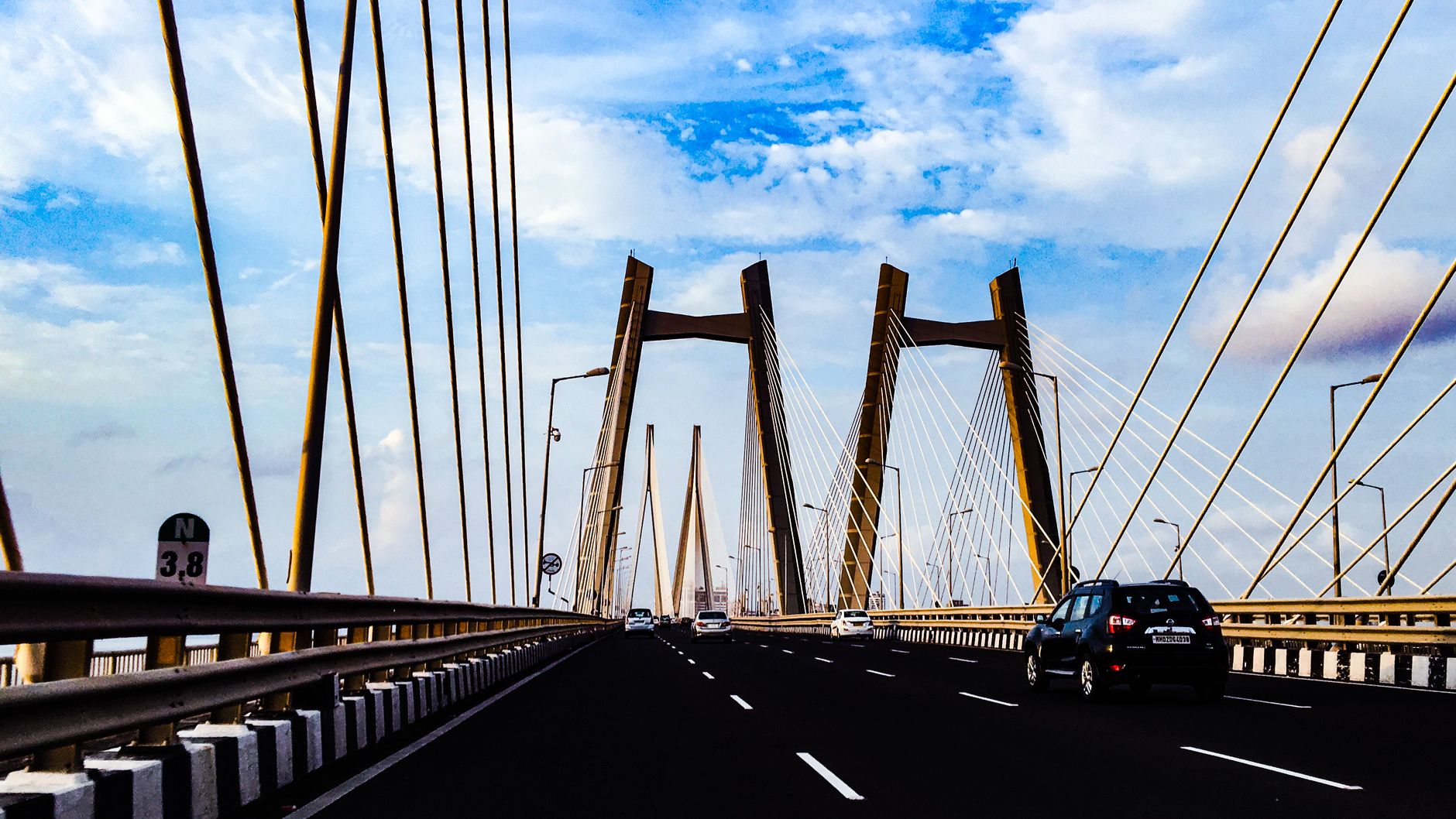
Highway development has been equally transformative. The Bharatmala project and similar initiatives have created smooth, efficient road networks connecting major tourist circuits. Travel time between destinations has been cut significantly, making multi-city tours more feasible and comfortable for visitors.
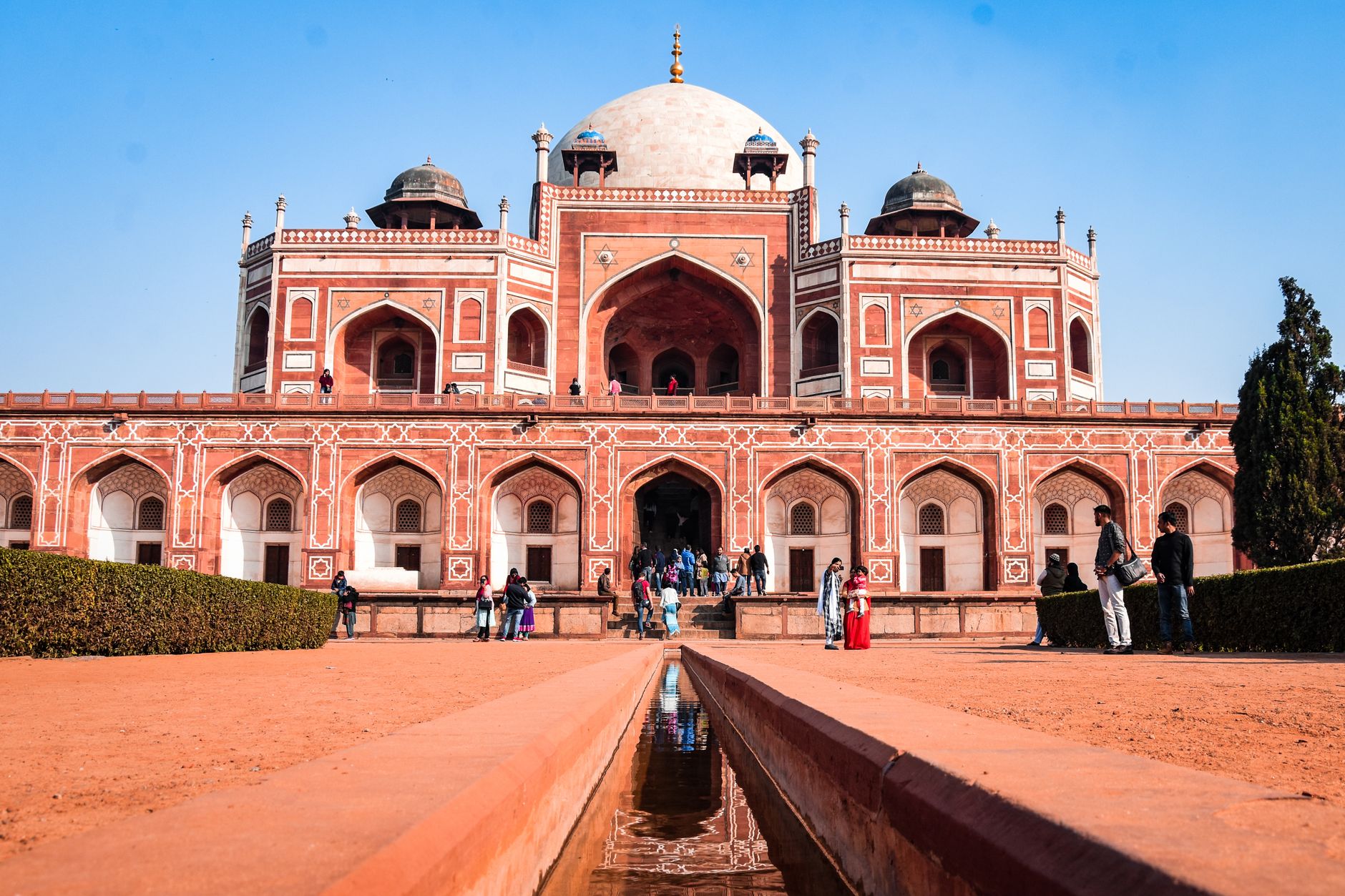
Railway modernization has also played a crucial role. The introduction of Vande Bharat Express trains and the renovation of major railway stations have elevated the train travel experience. Heritage routes have been upgraded while maintaining their old-world charm, offering tourists both comfort and authenticity.
The Rise of Spiritual Tourism
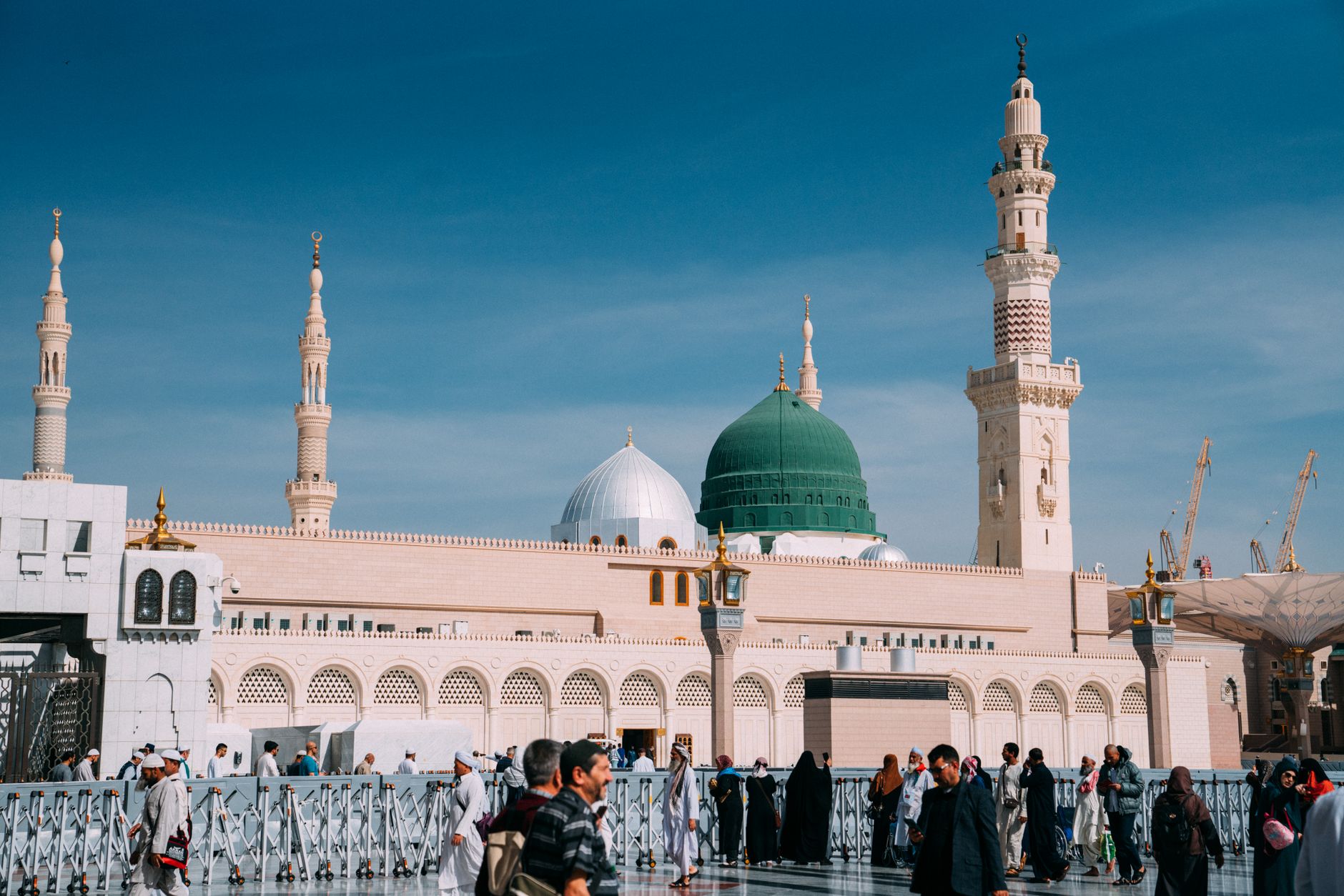
India's spiritual heritage has become a cornerstone of its tourism strategy. The development of dedicated spiritual circuits has made pilgrimage tourism more organized and accessible while preserving the sanctity of religious sites.
The Buddhist Circuit, connecting sites associated with Buddha's life across several states, has attracted significant international interest, particularly from East Asian countries. Similarly, the Ramayana Circuit traces locations from the epic across India and neighboring countries, combining faith with cultural exploration.
Temple corridor developments have transformed the visitor experience at major spiritual sites. The Kashi Vishwanath Corridor in Varanasi exemplifies this approach, providing modern amenities and better crowd management while enhancing the spiritual atmosphere. Similar projects at other major temples have made pilgrimage more comfortable for elderly visitors and families.
Yoga and wellness tourism has exploded, with Rishikesh, Kerala, and Goa becoming global hubs for authentic wellness experiences. International visitors increasingly seek these spiritual and wellness offerings as part of their India journey.
Connectivity Breakthroughs
Digital connectivity has revolutionized how tourists experience India. Widespread mobile internet availability means travelers can navigate unfamiliar cities, book services on the go, and stay connected with ease. Digital payment systems have eliminated many cash-related hassles that once frustrated foreign visitors.
The e-Visa system has been a game-changer for international tourism. What once required weeks of paperwork can now be completed online in days, with many nationalities eligible for visa-on-arrival facilities. This simplified process has removed a significant barrier to visiting India.
Improved last-mile connectivity has opened up offbeat destinations. Better roads to hill stations, beach towns, and rural tourism sites have diversified the tourism offering beyond traditional circuits. Homestay networks in remote areas give tourists authentic cultural experiences while providing income to local communities.
Regional Diversity and Niche Tourism
The past decade has seen deliberate efforts to promote lesser-known destinations. States in the Northeast, for instance, have developed adventure tourism, cultural tourism, and eco-tourism offerings that attract visitors seeking unique experiences beyond the Golden Triangle.
Adventure tourism infrastructure has expanded significantly. Leh-Ladakh has become more accessible while maintaining its pristine character. River rafting in Rishikesh, trekking in Himachal Pradesh, and water sports in Goa have all benefited from better facilities and safety standards.
Economic Impact and Employment
The tourism boom has created millions of jobs across the hospitality, transport, and service sectors. Small businesses in tourist areas have flourished, from handicraft sellers to local guides and homestay operators. This has provided economic opportunities in regions with limited industrial development.
Hotel chains and travel platforms have expanded rapidly, while the rise of boutique hotels and heritage properties has added diversity to accommodation options. This growth has attracted significant domestic and foreign investment into the sector.
Challenges and Sustainability
Despite remarkable progress, challenges remain. Popular destinations face overcrowding and environmental stress. Balancing growth with sustainability, preserving local culture while accommodating tourism, and ensuring benefits reach local communities require ongoing attention.
The past decade has fundamentally reshaped India's tourism landscape, positioning the country as a must-visit destination that offers diversity, spirituality, adventure, and authentic cultural experiences. As infrastructure continues to improve and connectivity expands, India's tourism story is still being written.