India's tourism sector has experienced remarkable growth in recent years, with domestic and international arrivals reaching new highs. However, this boom comes with a challenging side effect: a growing problem of irresponsible tourist behavior that threatens both natural attractions and cultural heritage sites across the country.
The Scale of the Problem
The surge in tourist numbers has brought economic benefits to many regions, but it has also exposed critical gaps in tourist awareness and responsibility. From the pristine beaches of Goa to the mountain trails of Himachal Pradesh, authorities are grappling with issues of littering, vandalism, and disregard for local customs and environmental conservation.
Popular destinations like Manali, Shimla, and Rishikesh report increasing incidents of garbage accumulation, particularly plastic waste left behind by visitors. Hill stations that once attracted tourists with their clean air and scenic beauty now struggle with pollution and waste management challenges that local infrastructure was never designed to handle.
Common Issues Plaguing Tourist Destinations
Several patterns of irresponsible behavior have emerged across India's tourist hotspots:
- Littering and improper waste disposal in natural areas, including non-biodegradable plastics and food waste
- Vandalism at heritage sites, including graffiti on historical monuments and structures
- Noise pollution in ecologically sensitive areas and residential neighborhoods
- Traffic congestion and unauthorized parking at popular viewpoints
- Damage to flora and fauna through activities like picking flowers or disturbing wildlife
- Disrespect for local customs and religious sentiments at cultural sites
- Overcrowding at destinations beyond their carrying capacity
Impact on Local Communities and Environment
The consequences of irresponsible tourism extend far beyond aesthetic concerns. Local communities in popular tourist destinations face increased living costs, water scarcity during peak seasons, and disruption to their daily lives. In places like Ladakh and Spiti Valley, fragile ecosystems face threats from the sheer volume of visitors and their waste.
The Himalayan region presents a particularly stark example. Trekking routes popular with adventure tourists have become littered with plastic bottles, food wrappers, and even camping equipment. Some trails require regular cleanup drives by environmental organizations and volunteers just to remain passable.
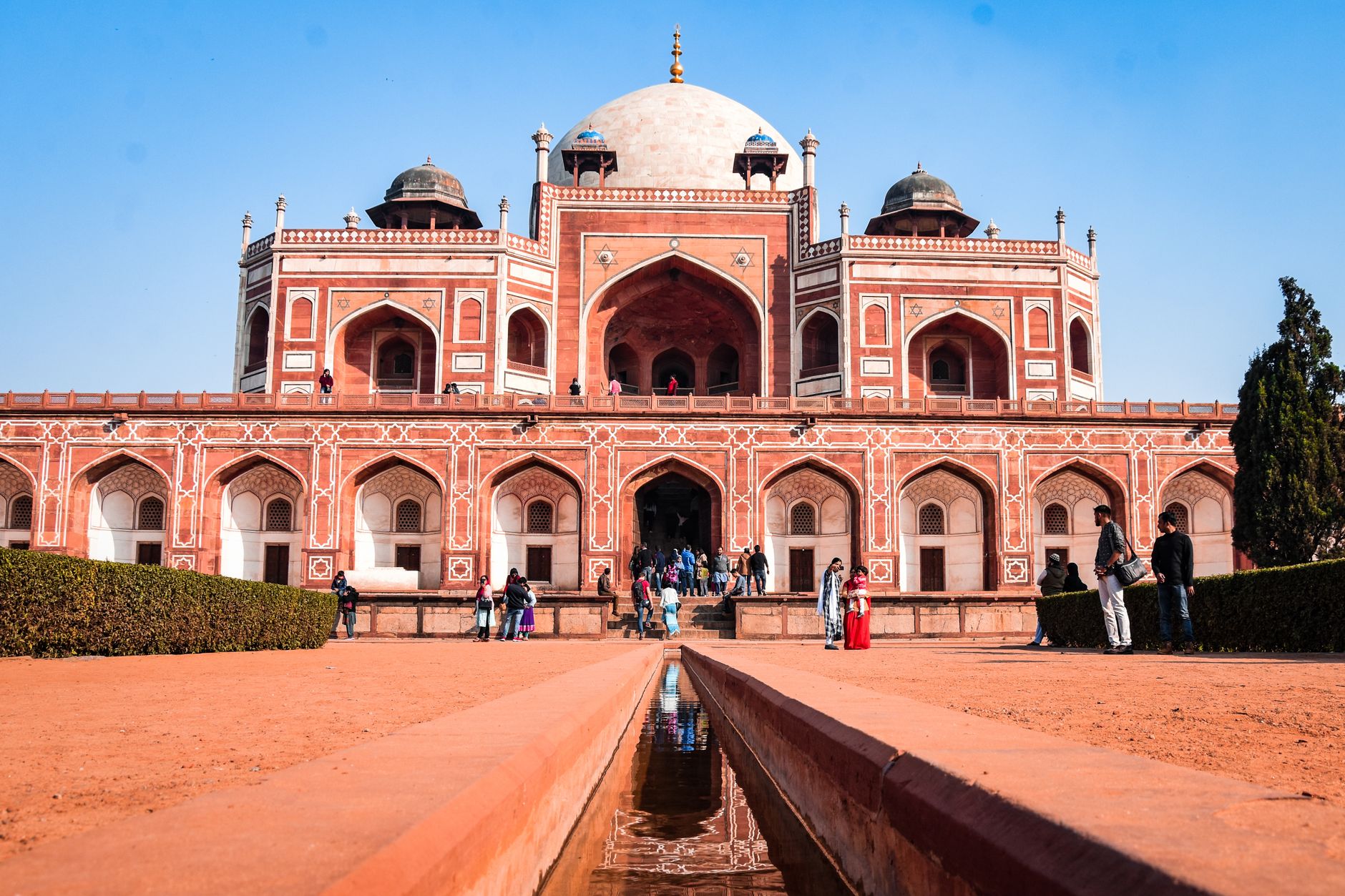
Historical monuments also bear the brunt of tourist negligence. Despite strict regulations, sites protected by the Archaeological Survey of India continue to face issues with visitors touching fragile artifacts, ignoring photography restrictions, and leaving behind waste in monument premises.
Government and Industry Response
Recognizing the severity of the situation, various state governments have begun implementing stricter regulations. Himachal Pradesh has imposed fines for littering and introduced plastic bans in several districts. Uttarakhand requires tourists to register and pay environmental fees for certain trekking routes.
Tourism boards are increasingly focusing on promoting responsible travel through awareness campaigns. Several destinations now mandate that trekkers carry back their waste or risk penalties. Some hotels and tour operators have begun incorporating sustainability pledges into their booking processes.
The Role of Social Media
Interestingly, social media has played a dual role in this crisis. While it has helped highlight irresponsible behavior and name-and-shame offenders, it has also contributed to "overtourism" at photogenic locations. Spots that go viral on Instagram often see sudden surges in visitors, overwhelming local resources and accelerating environmental degradation.
Path Forward: Sustainable Tourism
Industry experts emphasize that sustainable tourism practices must become the norm rather than the exception. This requires a multi-pronged approach involving better infrastructure, stricter enforcement of regulations, comprehensive tourist education, and community involvement in tourism planning.
Educational initiatives targeting both domestic and international tourists before they arrive at destinations can help set expectations and promote responsible behavior. Many advocates suggest mandatory orientation sessions or signed agreements for visitors to sensitive ecological or cultural sites.
The hospitality industry also has a crucial role to play by incorporating sustainability into their operations and educating guests about local customs and environmental concerns. Tour operators can design itineraries that distribute tourist traffic more evenly and avoid over-concentration at vulnerable sites.
Individual Responsibility Matters
Ultimately, the solution lies in individual accountability. Tourists must recognize that their actions have lasting consequences on the places they visit. Simple practices like carrying reusable water bottles, disposing of waste properly, respecting local cultures, and following designated trails can collectively make a significant difference.
India's tourism potential remains enormous, but realizing it sustainably requires a fundamental shift in how both tourists and the industry approach travel. The question isn't whether India can handle more tourists, but whether tourists can handle the responsibility that comes with exploring the country's incredible diversity.